The State Department Wants Parents to Prove Their Own Status Before a Child Can Get a U.S. Passport
Draft guidance would make a mother's I-94 or green card part of her newborn's passport file — the first concrete machinery behind Trump's Aug. 6 birthright citizenship order.
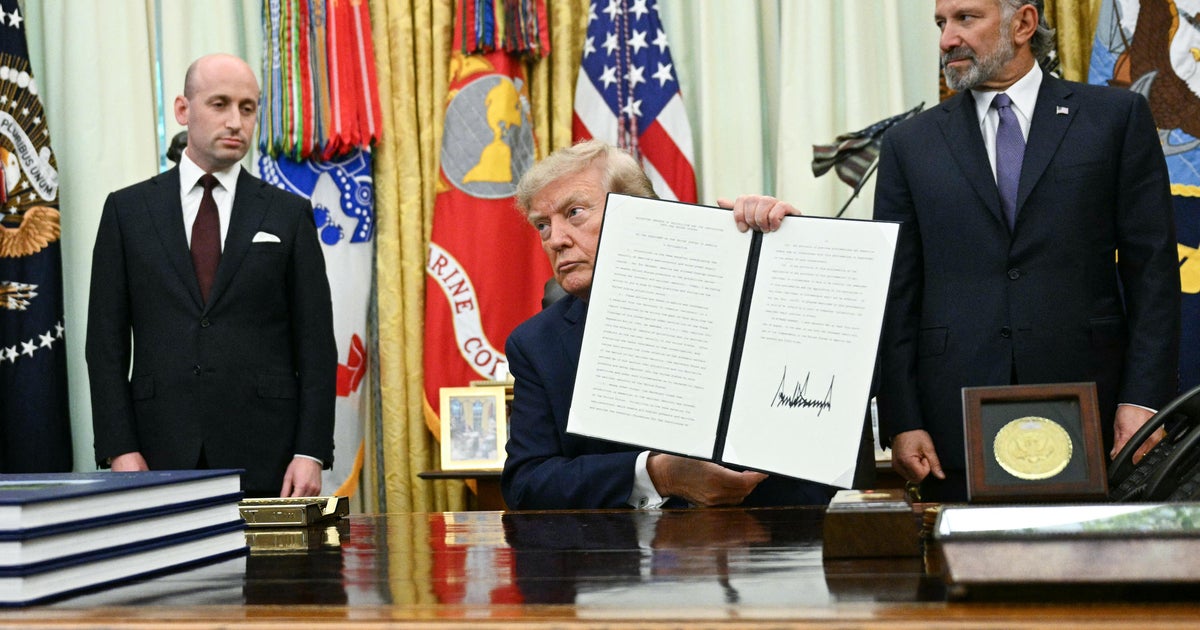
The State Department has drafted guidance that would require parents applying for a U.S. passport for their child to submit documentary proof of their own citizenship or immigration status, according to internal material first reported Monday. It is the first detailed look at how the administration intends to operationalize President Donald Trump's Aug. 6 executive order narrowing birthright citizenship.
Under the draft, a parent would have to produce either proof of citizenship — a valid U.S. passport or a birth certificate — or evidence of lawful status, such as an I-94 arrival record or a permanent resident card. Today, a parent applying on behalf of a child born in the United States generally needs only to establish the parental relationship and present photo identification. The application form asks about a parent's citizenship, but documentary proof is not normally demanded, and the child's own U.S. birth certificate is treated as dispositive.
That is the change. A domestic birth certificate has been the end of the inquiry for as long as the modern passport system has existed. The draft guidance turns it into the beginning of one.
The Aug. 6 order is narrower than the sweeping directive Trump signed at the start of his second term. It targets what the administration calls "birth tourism" and carves out three categories of children who would not be recognized as citizens at birth: those whose parents work for a foreign government in the United States, those whose parents are said to have used fraud or a commercial transaction to obtain citizenship for the child, and those whose parents fall under the "alien enemy" designation the administration has invoked elsewhere in its immigration program.
The earlier and broader order did not survive. The Supreme Court struck it down 6-3, holding that it violated the Citizenship Clause of the 14th Amendment, which grants citizenship to "all persons born or naturalized in the United States, and subject to the jurisdiction thereof." The August order is written to fit inside historical exceptions to that clause — the children of accredited diplomats, chiefly — that courts have long recognized as narrow. A federal judge has already raised concerns about the new order, and litigation over it is under way.
Asked about the draft, the State Department did not dispute its existence. "President Trump has been unequivocal that this Administration will protect the meaning and value of American citizenship," the department said, adding that passport procedures would be brought into line with that standard.
Roughly 3.6 million children are born in the United States each year, and the passport office processes millions of minor applications annually. Immigration lawyers warned that a documentary requirement aimed at a small set of cases would land on every parent in the queue, including U.S. citizens who no longer hold a copy of their own birth certificate.