Supreme Court Majority Appears Ready to Strike Down Trump's Birthright Citizenship Order
Conservative justices Roberts, Barrett, and Gorsuch aggressively questioned the administration's core arguments during April 1 oral arguments. A decision is due by end of June.
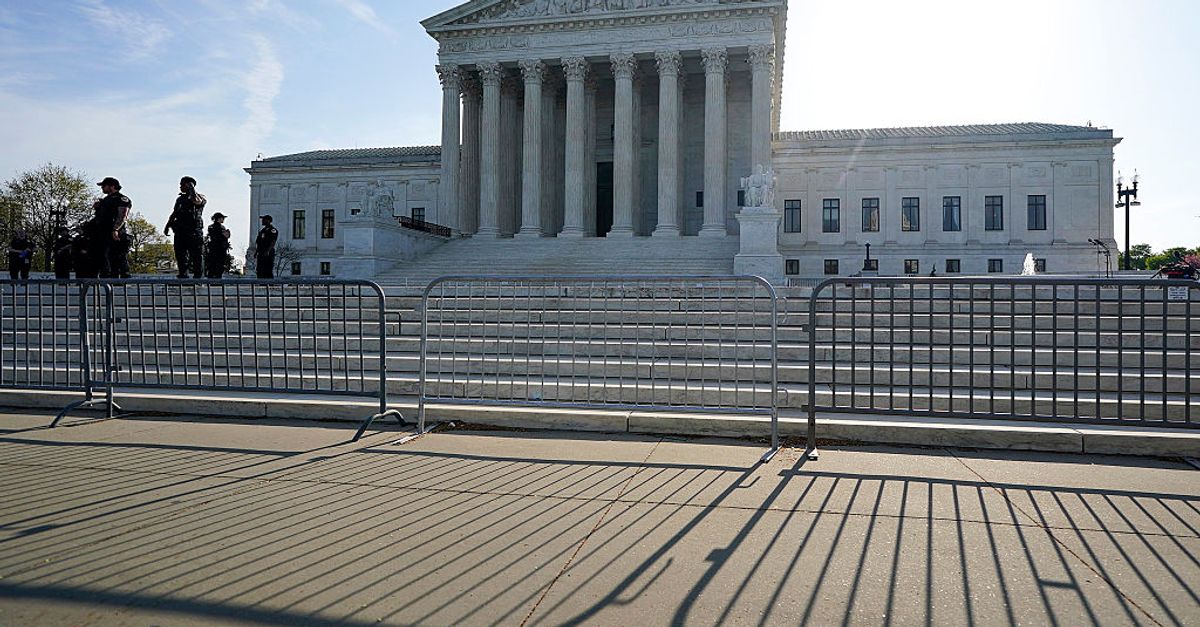
After oral arguments on April 1, a clear majority of Supreme Court justices appeared ready to strike down President Trump's executive order eliminating automatic birthright citizenship — a ruling that would affect the legal status of millions of American-born children and represents one of the most consequential constitutional decisions in decades.
Trump signed the executive order on his first day back in office, January 20, 2025, directing federal agencies to stop issuing citizenship documents to children born in the United States whose parents are undocumented immigrants or hold only temporary visas. Every federal court that reviewed the order struck it down immediately; the policy has never taken effect. The administration appealed to the Supreme Court, arguing that the 14th Amendment's citizenship clause had been broadly misread for more than 150 years.
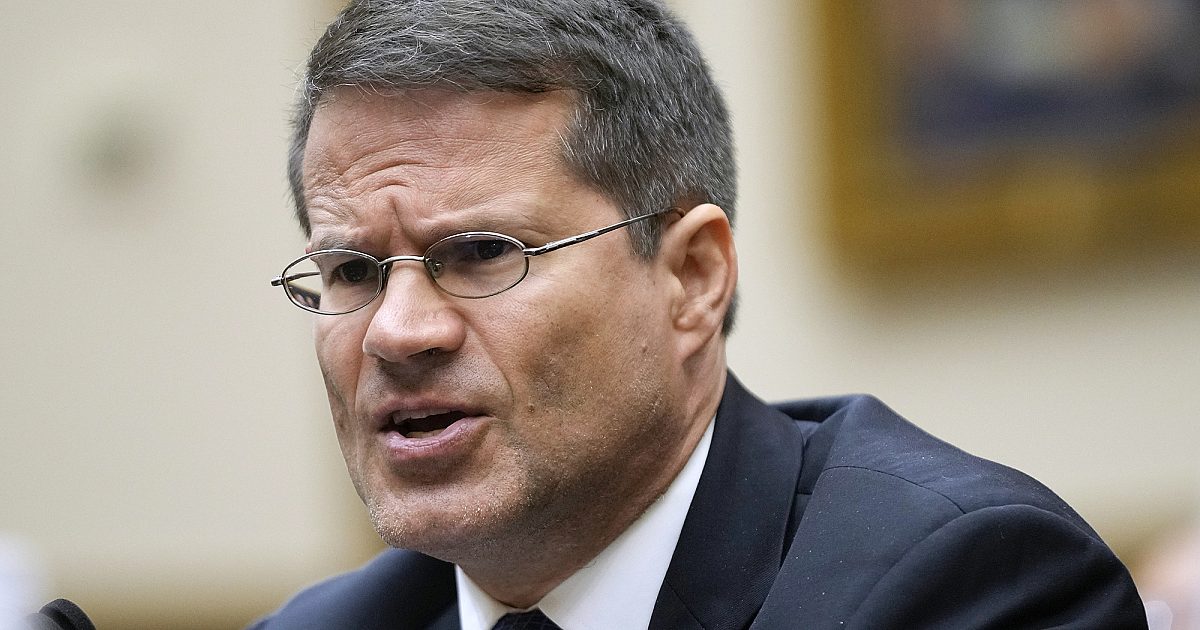
Solicitor General D. John Sauer argued before the justices that the "subject to the jurisdiction" language in the 14th Amendment was specifically designed for children born to people permanently under U.S. authority — primarily newly freed enslaved people in 1868 — and should not apply to children of temporary visitors or those who entered the country illegally. Sauer noted that most industrialized nations do not extend birthright citizenship to children of people without legal status, framing the American approach as an international anomaly.
The justices were not persuaded. Chief Justice John Roberts, a conservative appointed by President George W. Bush, directly rebuked the administration's contention that modern circumstances demand a new constitutional interpretation: "It's the same Constitution," Roberts said from the bench. Justice Amy Coney Barrett, one of Trump's own nominees to the Court, pressed Sauer aggressively on the historical record, noting that legislative history from the Reconstruction era consistently indicated the clause was meant to be broadly applied to everyone born on American soil, regardless of their parents' status. Justice Neil Gorsuch, another Trump appointee, raised pointed questions about the original intent behind the phrase "subject to the jurisdiction thereof."
Trump attended part of the oral argument session himself — an unusual step for a sitting president. He later posted on social media that the United States was "STUPID" for having birthright citizenship, calling it an anomaly among developed nations. The post drew immediate criticism from constitutional scholars who noted that birthright citizenship is explicitly enshrined in the text of the 14th Amendment.
A decision is expected by the end of June 2026. Legal scholars estimate that if the executive order were allowed to stand, hundreds of thousands of children born annually in the United States to immigrants on work visas, student visas, or without legal status could be denied citizenship at birth. The ruling would also potentially call into question the citizenship of millions of Americans born under similar circumstances over the past several decades, creating a retroactivity question the administration has not clearly addressed. The case, which consolidates multiple legal challenges from 22 states, is widely considered the most significant immigration ruling since the Supreme Court upheld DACA in 2020.