Supreme Court Upholds Birthright Citizenship 6-3, Handing Trump a Stinging Defeat on Immigration
Chief Justice John Roberts wrote the majority opinion striking down Trump's executive order, joined by two conservatives and the court's three liberals.

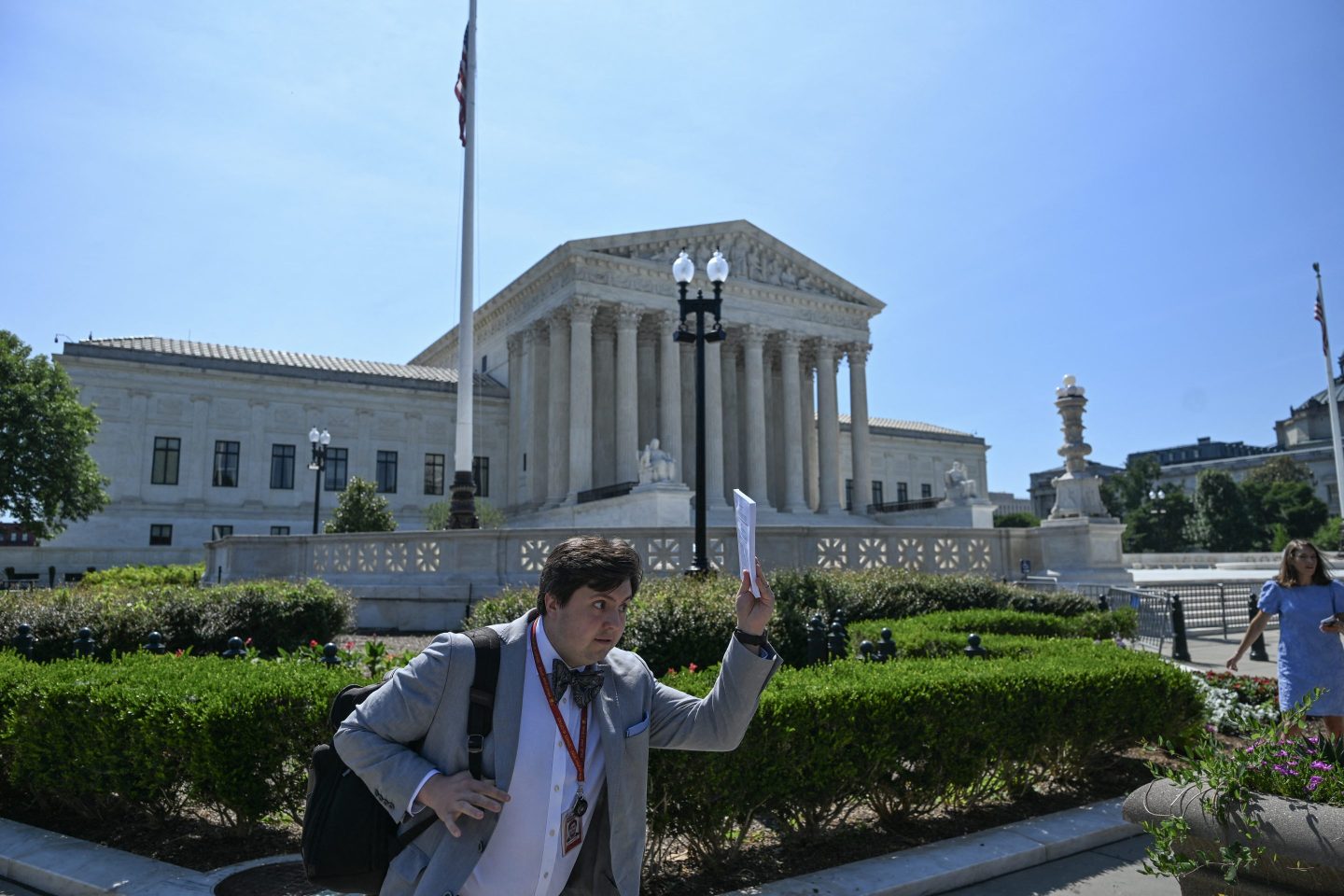
The Supreme Court on Tuesday rejected President Donald Trump's effort to abolish birthright citizenship, ruling 6-3 that the 14th Amendment guarantees citizenship to nearly everyone born on American soil and dealing one of the sharpest legal blows yet to the president's immigration agenda.
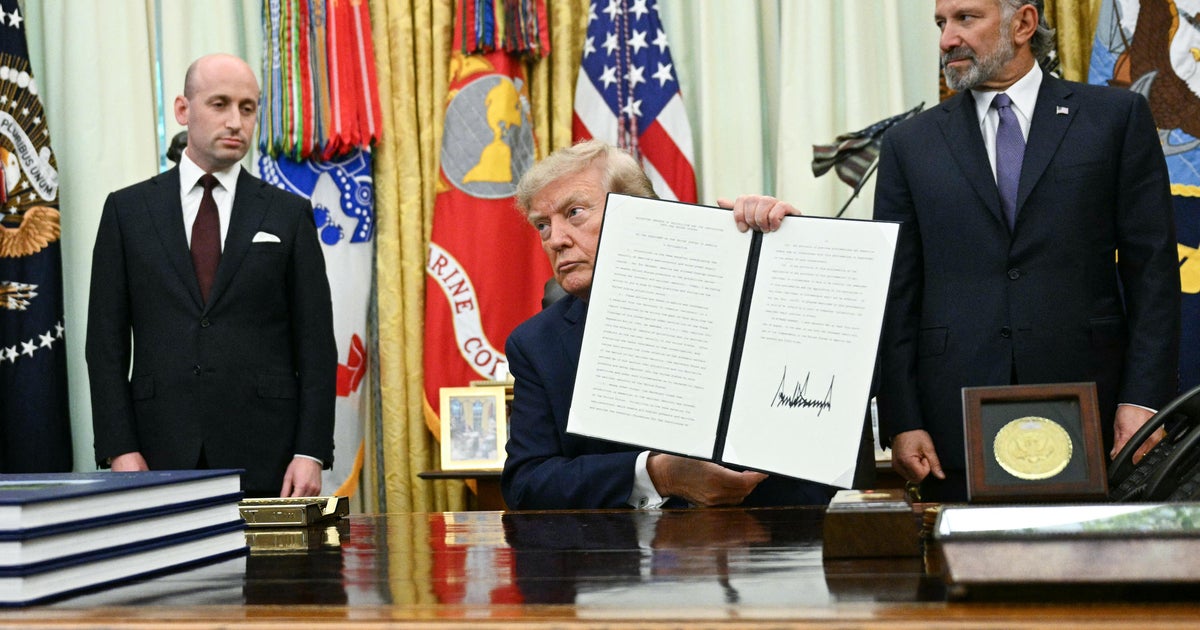
The decision, handed down June 30, struck down an executive order Trump signed on his first day back in office declaring that children born in the United States to undocumented immigrants or to parents without permanent legal status would no longer be recognized as U.S. citizens. The court held that the order could not override a constitutional guarantee that has stood for more than 150 years.
Chief Justice John Roberts wrote the majority opinion, an unusual alignment in which two of his fellow conservatives — Justices Amy Coney Barrett and Brett Kavanaugh — joined the court's three liberal members. Roberts anchored the ruling in both the nation's founding-era demands for the "rights of Englishmen" and the abolitionists who, after the Civil War, lauded citizenship by birth alone as an "ancient and universal" rule. The 14th Amendment, ratified in 1868, was written precisely to settle the question in the wake of slavery.
Justices Clarence Thomas, Samuel Alito and Neil Gorsuch dissented. The split placed three of the court's most conservative members on the losing side of a case the administration had hoped would cement a dramatic reinterpretation of who counts as an American. Instead, the ruling reaffirmed the plain-language reading of the amendment that most constitutional scholars had long insisted was settled law.
The outcome caps a term in which the same court repeatedly expanded presidential power — including a separate decision allowing Trump to remove members of independent federal agencies at will, overturning a 91-year-old precedent, and a ruling that erased limits on coordinated spending between political parties and their candidates. On birthright citizenship, however, the justices drew a hard line, signaling that even a court sympathetic to a muscular executive would not permit an executive order to rewrite the Constitution. Legal scholars had widely predicted the order would fail, but the lopsided alignment — with Barrett and Kavanaugh crossing over — gave the decision an authority that a narrow 5-4 split would have lacked.
For the millions of families whose children's citizenship hung on the outcome, the ruling removes an immediate and existential threat. It also reframes the political fight: with the courts closed off, any future attempt to narrow birthright citizenship would require a constitutional amendment — a far steeper climb than a stroke of the presidential pen. The decision, delivered by a chief justice Trump himself has often criticized, stands as a rare and decisive check on the administration's immigration ambitions.