Bipartisan Housing Bill Set to Become Law Without Trump's Signature After He Refuses to Sign
The 21st Century ROAD to Housing Act, which cleared Congress with overwhelming majorities, will take effect this week even though the president canceled his own signing ceremony and called the measure a 'big yawn.'
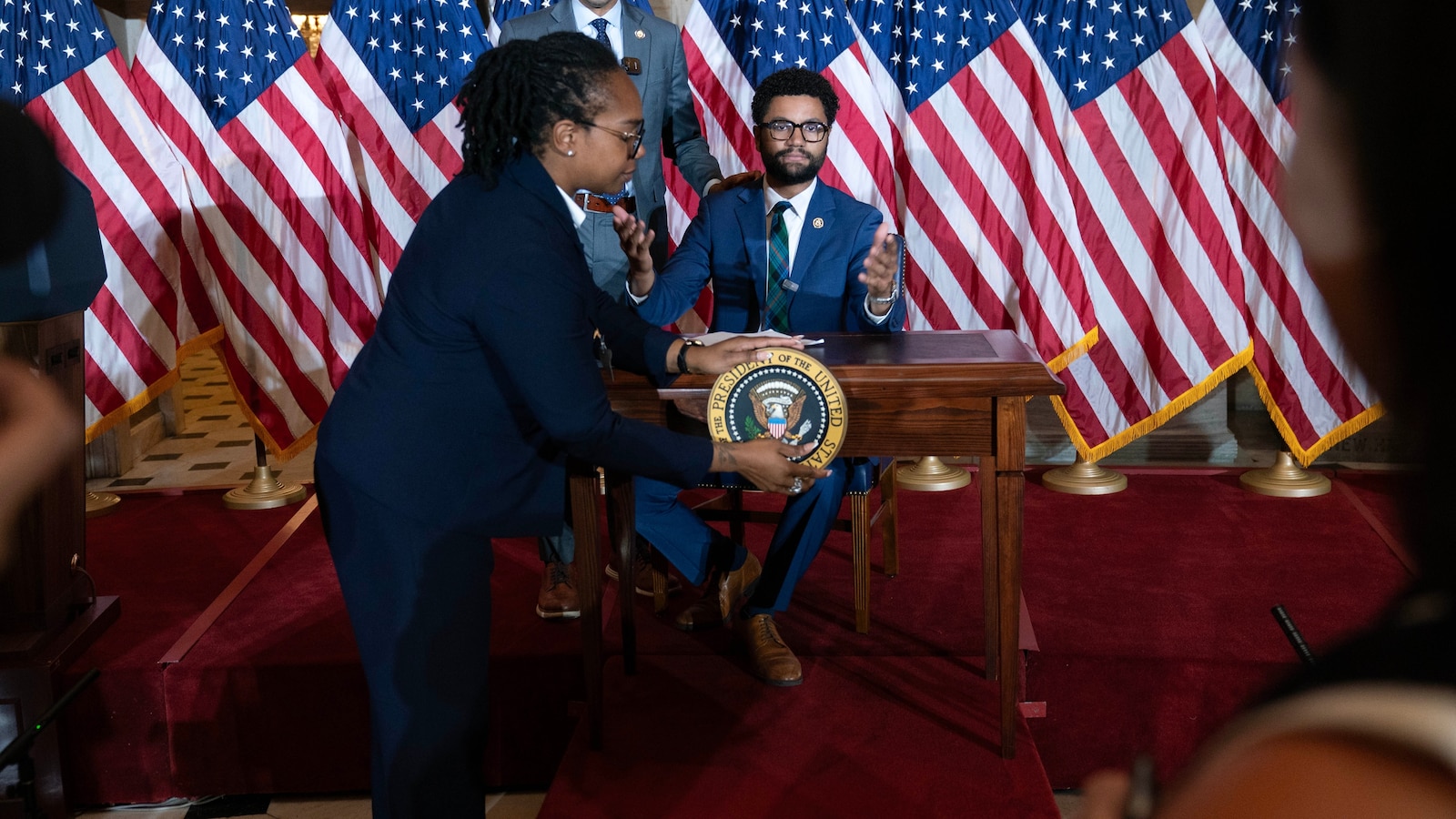
A sweeping bipartisan housing bill is poised to become law this week without President Trump's signature, an unusual outcome that highlights a rare fracture between the president and a Congress controlled by his own party.
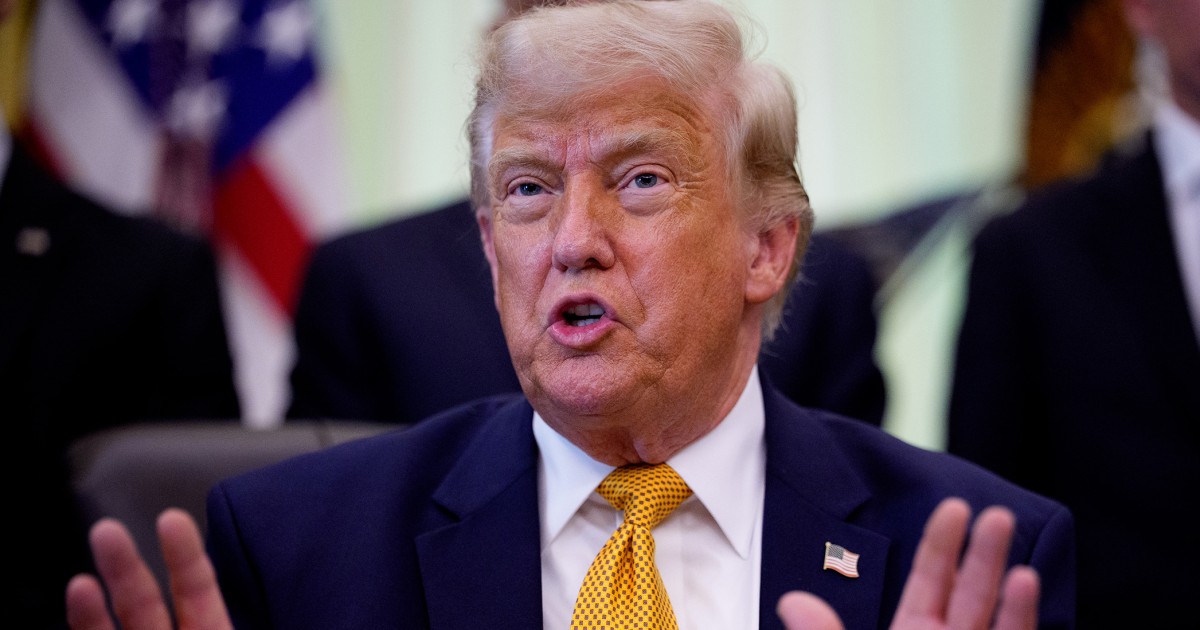
The 21st Century ROAD to Housing Act, formally H.R. 6644, cleared the Senate 85 to 5 on June 22 and the House 358 to 32 the following day — margins wide enough to override a veto. Trump was scheduled to sign the measure at a June 24 ceremony but abruptly canceled it, dismissing the legislation as a "big yawn" and demanding that lawmakers first pass the SAVE America Act, his contested voter-identification bill, which faces a filibuster in the Senate.
Under the Constitution, a bill becomes law without the president's signature if he neither signs nor vetoes it within 10 days, excluding Sundays, while Congress is in session. With that clock running out, the housing act is set to take effect this week regardless of Trump's objections — a quiet constitutional workaround that hands supporters a victory the president tried to withhold.
At the heart of the law is a crackdown on Wall Street's growing footprint in the single-family housing market. The measure bars large institutional investors — defined as entities controlling at least 350 single-family homes — from buying additional single-family houses, while carving out limited exceptions for build-to-rent developments and requiring such firms to sell existing holdings to individual buyers within seven years. Sponsors say the provisions are aimed squarely at the affordability crisis that has pushed homeownership out of reach for a generation of would-be buyers.
The bill drew a remarkably broad coalition, uniting progressives who blame private-equity landlords for rising rents with conservatives who frame it as a defense of family homeownership. Housing advocates and local-government groups praised the final deal, though some cautioned that its impact on prices would take years to materialize and would not, on its own, resolve a shortage of millions of homes.
For Trump, the episode is a reminder of the limits of presidential leverage over a co-equal branch. By staking the housing bill to his voter-ID priority, he gambled that Congress would blink; instead, lawmakers let the calendar do the work, allowing a popular measure to pass into law over his stated wishes. The White House has not said whether the president will attempt any further action, but with the constitutional deadline at hand, the ROAD to Housing Act appears headed to the statute books — signature or not.