Supreme Court Upholds Birthright Citizenship, Blocking Trump's Order in Landmark Ruling
The justices affirmed that children born on U.S. soil are citizens regardless of their parents' status — a decision researchers say protects a group projected to add trillions to the economy.
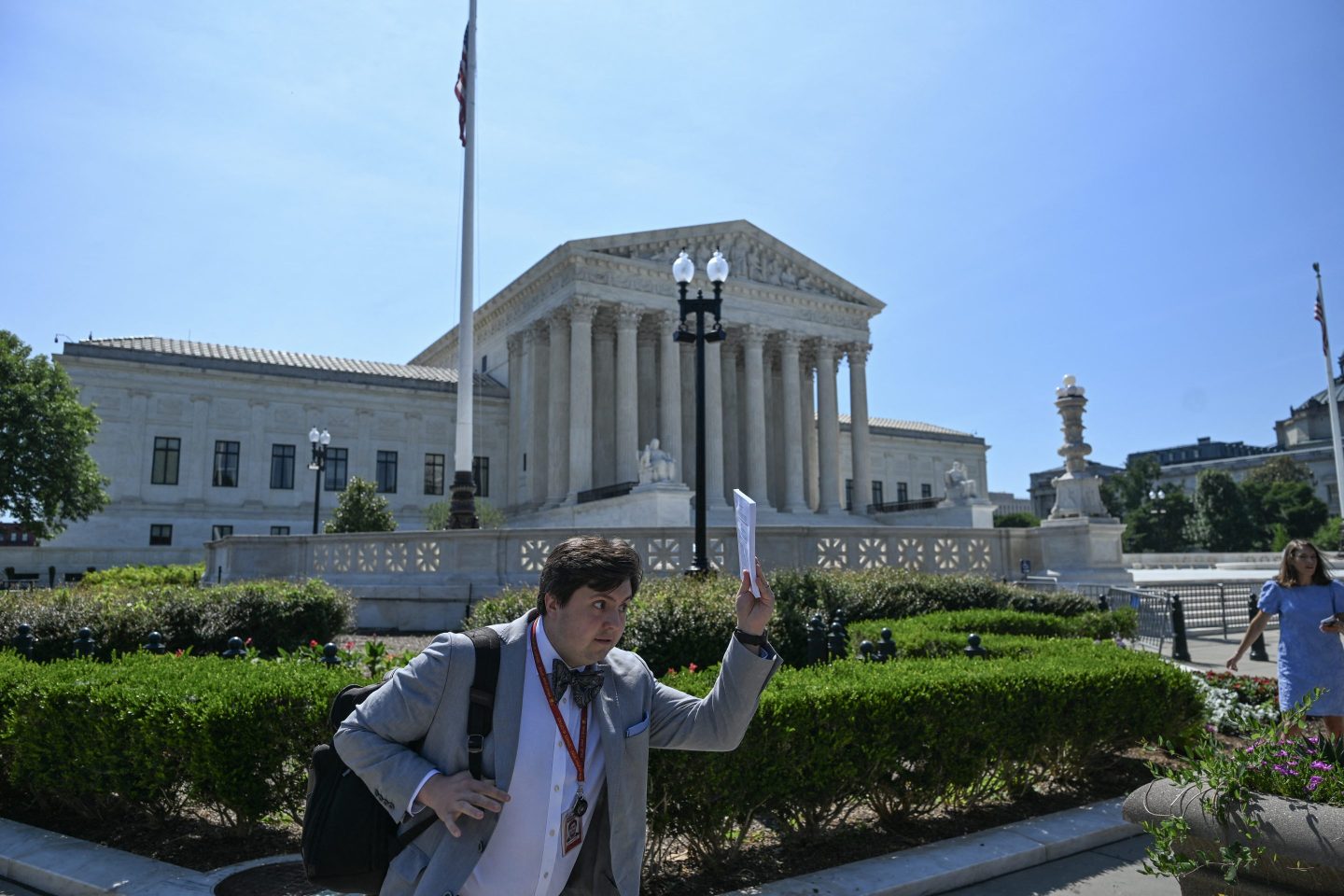
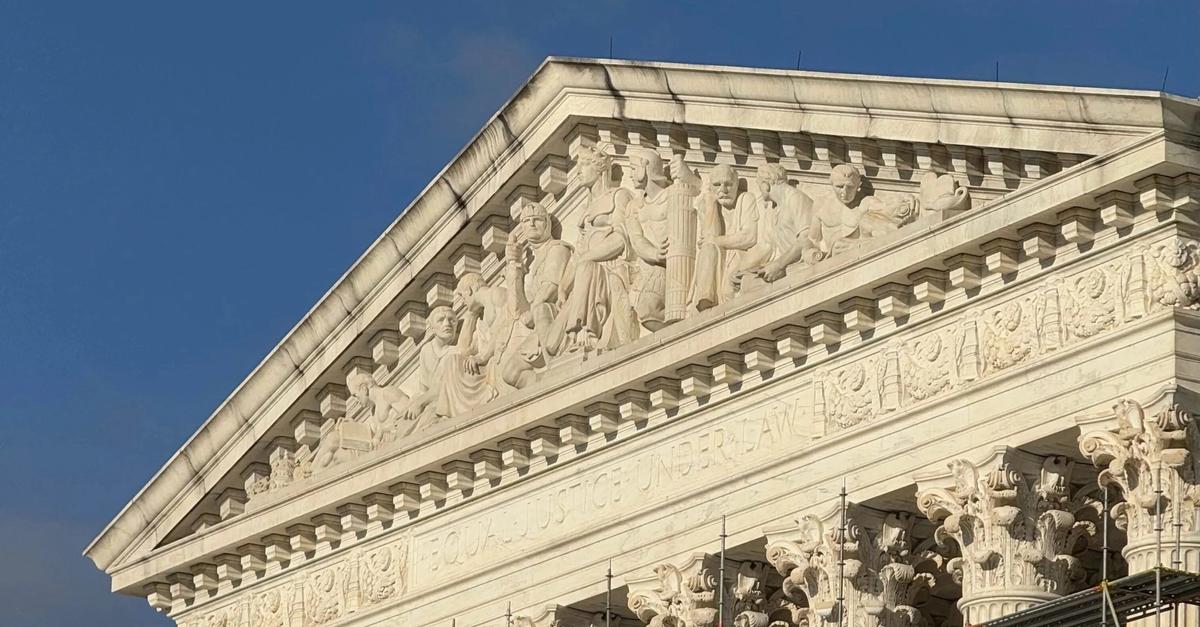
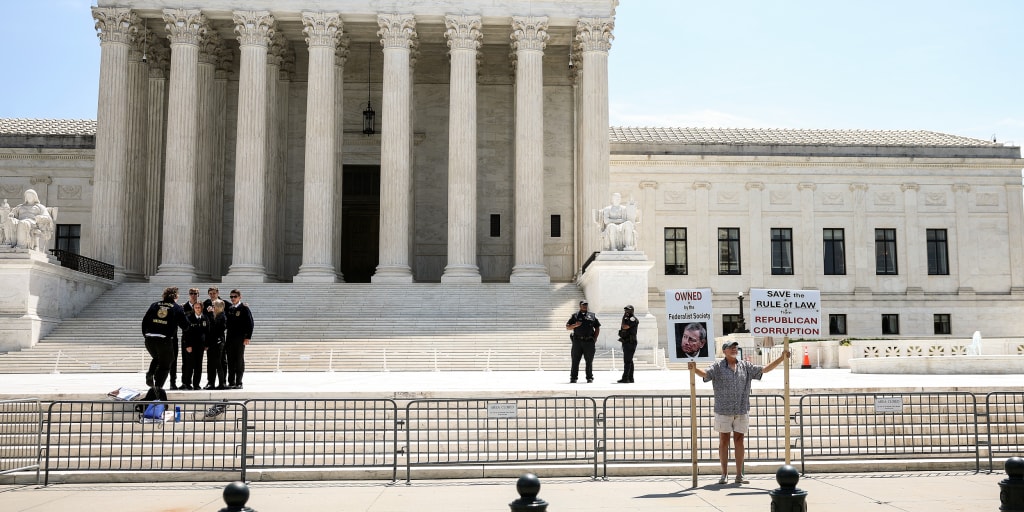
The Supreme Court has rejected President Donald Trump's effort to restrict birthright citizenship, ruling on June 30 that children born on U.S. soil are entitled to citizenship regardless of their parents' immigration status — a decision that reaffirms one of the 14th Amendment's core guarantees and settles, at least for now, one of the most consequential immigration questions of Trump's second term.
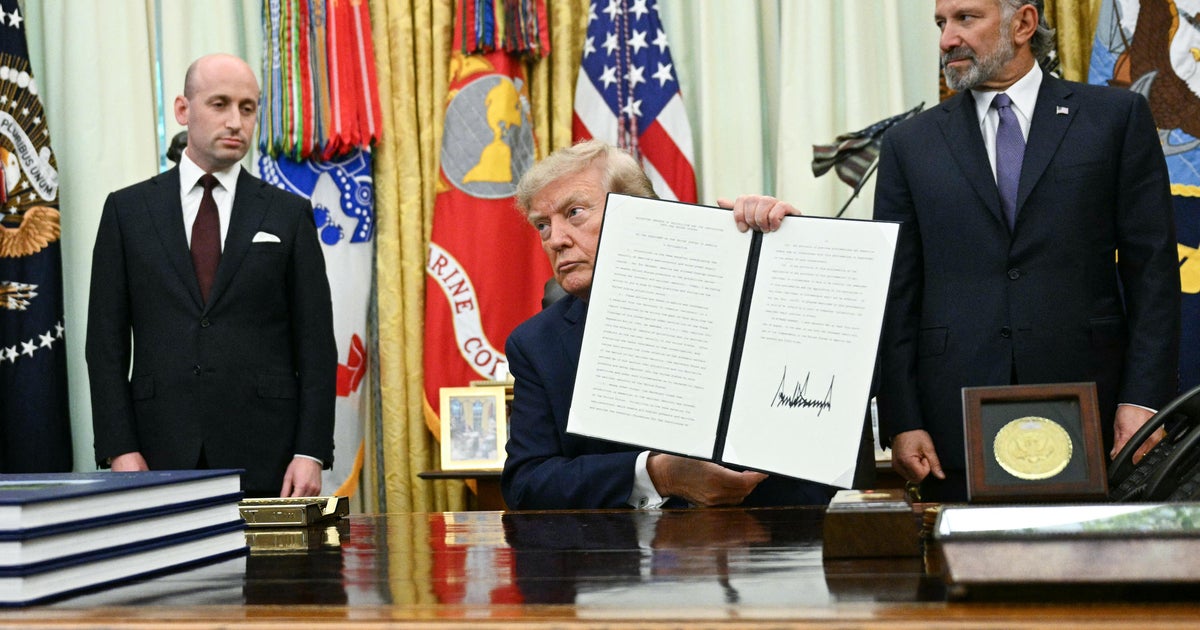
The ruling turned back an executive order that sought to deny automatic citizenship to children of undocumented immigrants and, in some readings, to holders of temporary visas. The court's decision leaves in place the long-standing interpretation, rooted in the 14th Amendment's language that all persons "born or naturalized in the United States" are citizens, that has governed American nationality law for well over a century.
The practical stakes are enormous. Researchers at Penn State estimated that roughly 255,000 people born in the United States each year would have been denied citizenship had the executive order taken effect — a cohort that, compounded over time, would have created a growing population of stateless or legally uncertain residents born and raised in the country.
The economic dimension drew particular attention. An analysis by the Center for Migration Studies projected that the children whose citizenship was protected by the ruling will contribute $7.7 trillion to the U.S. economy over their lifetimes, including $438 billion between 2025 and 2029 alone. The order would have fallen hardest on the families of H-1B and L-1 visa holders and undocumented workers, groups heavily represented in technology, health care, agriculture and construction.
The decision also lands against a backdrop of shifting public opinion. A record 79% of U.S. adults now say immigration is a good thing for the country, according to polling cited in coverage of the ruling — a notable figure at a moment when immigration policy has dominated national politics and courtrooms alike.
For the Trump administration, the ruling is a significant defeat in a signature policy area, closing off an attempt to reinterpret the Constitution through executive action rather than a constitutional amendment. For immigrant families, it removes a cloud of uncertainty that had hung over hundreds of thousands of expectant parents since the order was issued. The justices' affirmation of birthright citizenship — a principle many legal scholars had considered settled since the 19th century — reasserts a constitutional bright line that a president cannot redraw with the stroke of a pen.