Trump Signed Two More Birthright Citizenship Orders Four Weeks After the Supreme Court Struck Down the First One
One order targets commercial "birth tourism." The other expands the list of babies the administration says the 14th Amendment never covered. The ACLU says both will die the same way the last one did.
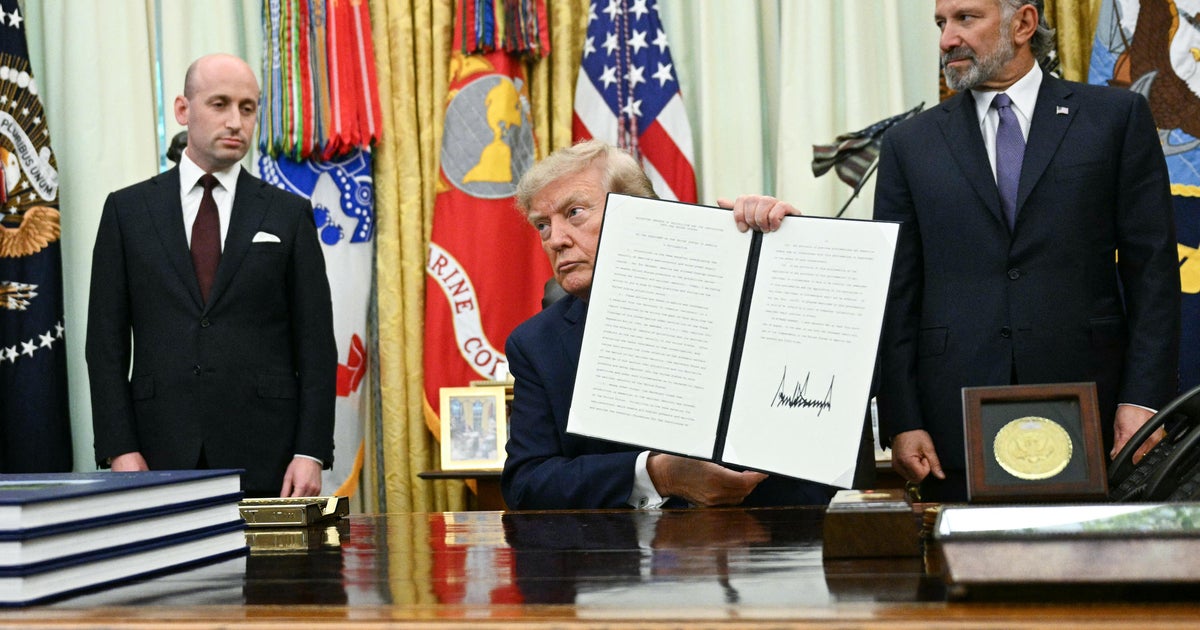
President Trump signed two executive orders Thursday aimed at stripping automatic citizenship from certain babies born on American soil, a second attempt at a policy the Supreme Court declared unconstitutional last month in a 6-3 decision.
The first order goes after what the administration calls commercial "birth tourism," directing officials to deny entry to foreign nationals who travel to the United States for the specific purpose of giving birth here. The second is the broader of the two: it expands the categories of children the administration deems ineligible for birthright citizenship, including babies born through commercial birth tourism arrangements, children of members of designated terrorist organizations, children of foreign government employees, and children born in U.S. territories where citizenship is not conferred by federal statute. Neither order touches children with at least one U.S. citizen parent.
Trump made no attempt to hide that the orders are a response to losing at the Supreme Court. He called the ruling "very, very unfortunate" and told reporters, "We're making adjustments." He has repeatedly argued that the 14th Amendment, ratified in 1868, was written narrowly — that it "was done right after the Civil War" and was meant "for the babies of slaves," not for the children of people who arrived illegally or on tourist visas. The amendment's text guarantees citizenship to "all persons born or naturalized in the United States, and subject to the jurisdiction thereof."
Deputy Chief of Staff Stephen Miller, the architect of most of the administration's immigration policy, framed the birth tourism order as long overdue, describing the practice as "something that people have talked about" for decades. Administration officials argue the narrower targeting is precisely what makes the new orders survivable — that the Court rejected a blanket rule, not the government's authority to police specific abuses of the visa system.
Immigration lawyers were not persuaded, and they said so within hours. Cody Wofsy, deputy director of the ACLU's Immigrants' Rights Project, said in a statement that "The Supreme Court already decided this issue: Birthright citizenship is guaranteed by the Constitution. No additional executive order can change the meaning of the Constitution. Any executive order that tries to rewrite birthright citizenship will meet the same fate as the last one."
Both orders are near-certain to draw lawsuits, and the legal path is already mapped: the first executive order was blocked by district courts within days of signing, worked its way up through the appellate courts over more than a year, and was finally struck down by a Supreme Court that includes three Trump appointees. Trump said Thursday he believes the narrower restrictions will clear the bar this time. The practical question for families is how long the litigation takes — the last round consumed the better part of two years, during which hospitals, state vital records offices, and the State Department operated under a patchwork of injunctions while the case moved.