Supreme Court Hears Landmark Birthright Citizenship Case, Testing Trump's Challenge to the 14th Amendment
Justices grilled both sides on April 1 over whether Trump's executive order ending automatic citizenship for children of undocumented immigrants is constitutional — a ruling could reshape American citizenship law.

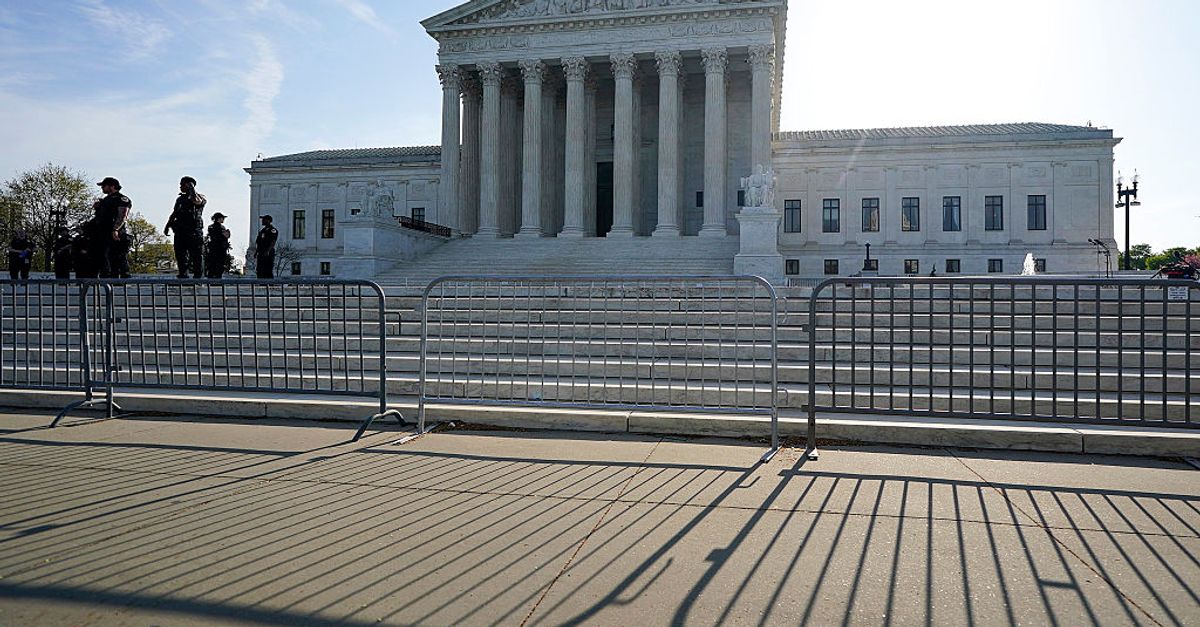
The Supreme Court heard oral arguments on April 1, 2026, in one of the most consequential immigration cases in decades — a direct constitutional challenge to President Trump's executive order seeking to end automatic birthright citizenship for children born in the United States to parents who are undocumented immigrants or in the country on temporary visas.
The case cuts to the heart of the 14th Amendment, ratified in 1868, which states that "all persons born or naturalized in the United States, and subject to the jurisdiction thereof, are citizens of the United States." Trump's executive order, signed in the early days of his second term, argues that the phrase "subject to the jurisdiction thereof" does not apply to those who entered the country unlawfully or are present temporarily — an interpretation that has never been adopted by a federal court.
During the nearly three hours of oral arguments, the justices pressed both the government's solicitor general and attorneys for the plaintiffs — a coalition of states and immigrant rights organizations that challenged the order in multiple federal courts — on the historical meaning of the citizenship clause, the scope of executive power over immigration, and the practical consequences of ending birthright citizenship.
Justice Sonia Sotomayor challenged the government's reading of the 14th Amendment as inconsistent with the historical record, pointing to debates during the Reconstruction Congress that suggested the drafters intended the citizenship clause to apply broadly. The government's solicitor general countered that the amendment was drafted in the context of former enslaved people and their descendants, and that the framers did not contemplate the modern immigration system when writing the clause.
The Migration Policy Institute has projected that if Trump's order is upheld, it could increase the undocumented population in the United States by nearly 25 percent over the next 50 years, as affected children — born on American soil to parents without legal status — would themselves have no recognized legal status. That cascading effect has alarmed immigrant advocacy groups and some legal scholars who argue it would create a hereditary underclass of stateless individuals.
Conservative justices, including Justices Samuel Alito and Clarence Thomas, had long signaled skepticism about birthright citizenship for children of those in the country unlawfully. During Tuesday's argument, they questioned whether lower courts had the authority to issue nationwide injunctions blocking the executive order — a procedural question that could allow the administration to partially implement its policy even if the merits remain unresolved.
At least four lower federal courts had already blocked the executive order before the Supreme Court agreed to take up the case, with judges across the ideological spectrum concluding that Trump's interpretation of the 14th Amendment was unsupported by precedent. The Supreme Court's 1898 ruling in United States v. Wong Kim Ark — which held that a child born in the US to Chinese parents who were legal residents was a citizen — is considered the landmark precedent on birthright citizenship, but the court has never directly ruled on the question as applied to children of undocumented immigrants.
A ruling is not expected until late June, when the Supreme Court traditionally issues its most significant decisions at the end of the term. Whatever the outcome, legal experts expect the case to generate one of the most closely read opinions in modern American constitutional history, potentially reshaping the legal boundaries of citizenship, executive power, and the meaning of one of the Civil War era's most important amendments.