Oxford Is Sending 39 Naga Ancestors Home. Its Museum Still Holds More Than 6,000 of Their Objects
The Pitt Rivers Museum approved the repatriation after a request from the Forum for Naga Reconciliation. One set of remains was left out because its provenance as Naga could not be established.
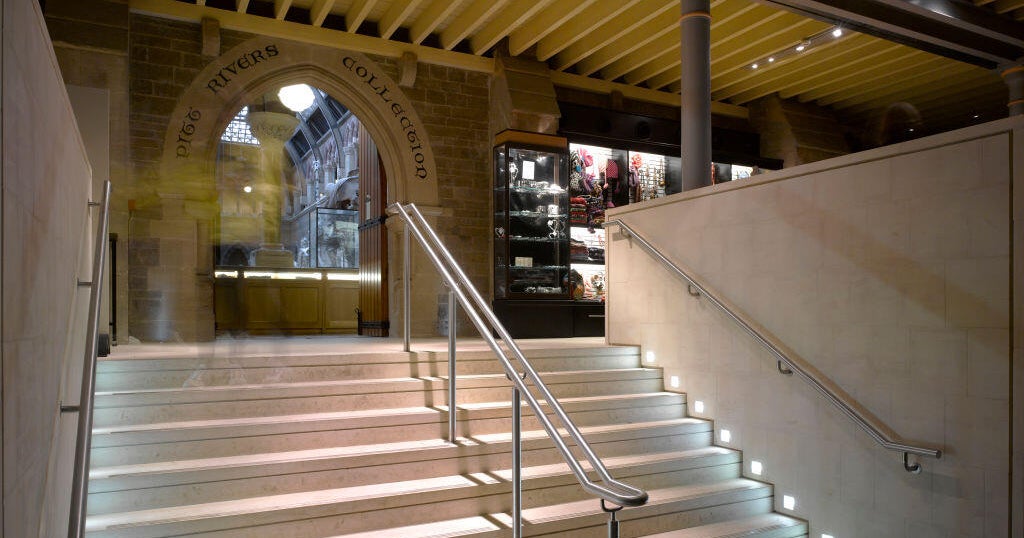
OXFORD, England — The Pitt Rivers Museum has agreed to return the remains of 39 people belonging to the Naga community of northeast India, ending a holding that began under British colonial rule and is now nearly a century old in some cases.
The decision followed a formal restitution request from the Forum for Naga Reconciliation and other Naga organizations, which Oxford University approved in July 2026. The groups had asked for 40 sets of remains. One was excluded from the agreement because, in the museum's assessment, it "does not have a clear provenance as Naga."
"Repatriation, for the Nagas, is not simply about bones and ancestral remains finding their way back to the land but importantly about memory returning to where it belongs," the FNR and allied Naga organizations said in a statement. Museum director Laura Van Broekhoven said the ancestors "have been away from their homeland for far too long." A date for the handover ceremony has not been set.
The Pitt Rivers is one of the largest anthropological collections in Britain, assembled largely through the machinery of empire, and the Naga material is among its best-known holdings. Even after this repatriation the museum will still hold more than 6,000 Naga artifacts. Human remains are a separate category with a separate history: in 2020 the museum pulled 120 sets of human remains from public display, including its collection of shrunken heads, as part of what it described as a decolonization program. Those objects had been among its most visited exhibits for decades.
The Naga are a group of Indigenous communities spread across the Indian states of Nagaland, Manipur, Assam and Arunachal Pradesh and across the border into Myanmar. British administrators, soldiers, missionaries and collectors removed skulls and other remains from the hills during the colonial period, often in circumstances that would now be described as looting, and shipped them to institutions in Britain where they were catalogued as specimens.
The return fits a pattern that has accelerated across European collections. The University of Edinburgh returned six skulls to the Muscogee Nation earlier in 2026. London's Horniman Museum handed back 72 Nigerian artifacts, including Benin Bronzes, in 2022. Each case has been negotiated individually, and museums have generally moved faster on human remains than on objects, where questions of legal title and national collections law are harder to unwind.
That distinction is visible in this agreement. Thirty-nine people are going home. Six thousand objects are staying in Oxford.


