Ghana Begins Repatriating Citizens From South Africa as Anti-Immigrant Protests Intensify
About 300 Ghanaians flew home on the first voluntary repatriation flight; officials say roughly 90% were undocumented, and Nigeria says it may evacuate its citizens too.
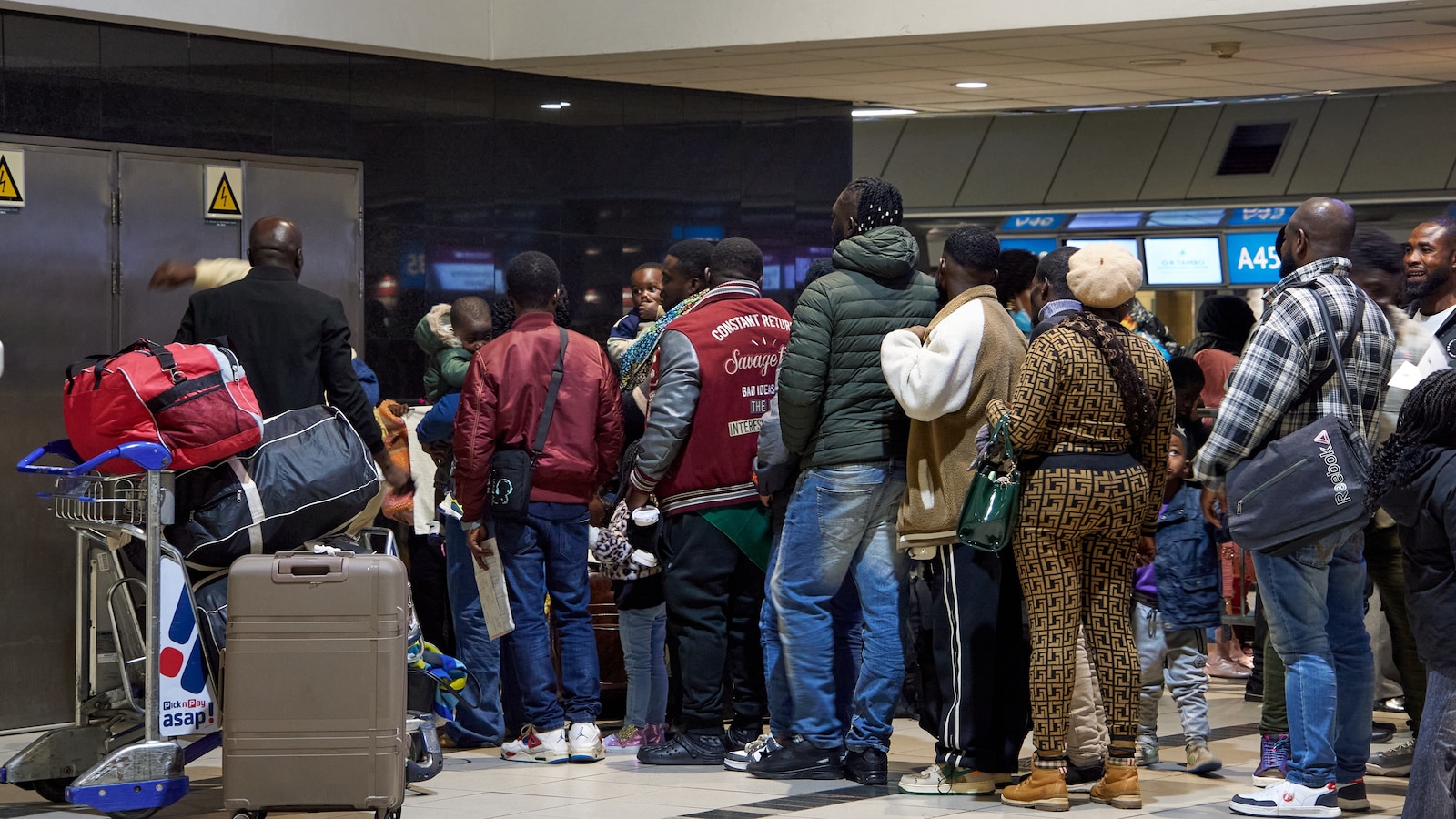
Ghana has begun flying its citizens home from South Africa, launching a voluntary repatriation program in response to a surge of anti-immigrant tensions that has raised fears of renewed xenophobic violence across the country.
The first group of about 300 Ghanaian nationals departed for Accra on Wednesday, Ghanaian officials said, the opening flight in an effort the government is carrying out in coordination with South African authorities. Officials framed the operation as a precaution to safeguard the safety and well-being of migrants amid a hardening public mood toward foreigners in several South African cities.
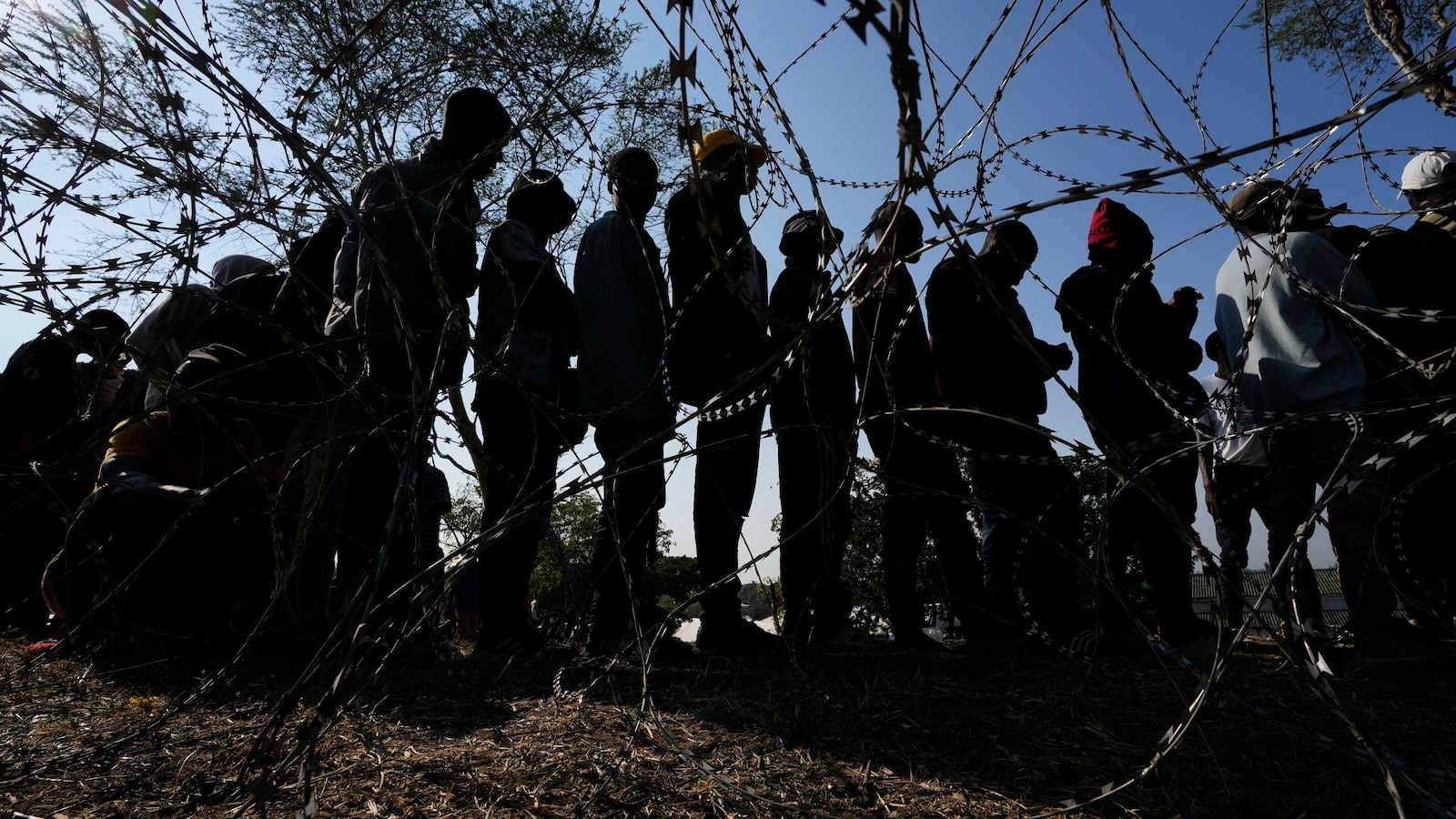
The repatriation follows a fresh wave of demonstrations against illegal immigration in parts of South Africa, where deep frustrations over chronic unemployment, violent crime and strained access to public services have repeatedly been channeled into anger at migrant communities. Protest movements have in recent weeks blocked access to clinics and confronted foreign nationals, stirring memories of the deadly xenophobic riots that have periodically convulsed the country over the past two decades.
Immigration checks conducted during the program revealed that roughly 90 percent of the travelers were undocumented, Ghanaian authorities said, with many having overstayed their permits by more than 30 days and some by over a year. The government has cast the voluntary flights as a way to give its citizens an orderly and dignified path out rather than risk leaving them exposed to violence or detention. Officials encouraged other Ghanaians without legal status to register for the program.
Ghana is not alone in its concern. Nigeria has voiced disapproval over the treatment of some of its own citizens in South Africa and said it is weighing whether to evacuate Nigerian nationals as well. The crisis poses a diplomatic challenge for Pretoria, which has long positioned itself as a continental leader even as it struggles to contain recurring outbreaks of anti-foreigner sentiment.
South Africa has endured repeated spasms of xenophobic violence over the past two decades. A wave of attacks in 2008 left more than 60 people dead and displaced tens of thousands, and further outbreaks in 2015 and 2019 again targeted shops and homes belonging to migrants from elsewhere on the continent. More recently, organized anti-immigrant movements have sought to block foreign nationals from accessing jobs, clinics and public services, accusing them of taking opportunities from South Africans. With official unemployment hovering around a third of the workforce, economists say the scapegoating of migrants has become a recurring feature of the country's politics. For the migrants caught in the middle — many of whom traveled south in search of work — the repatriation flights mark an abrupt and uncertain end to lives built far from home, and a stark reminder of how quickly economic anxiety can curdle into hostility.