Nanoplastics in Tap Water May Be Making Dangerous Bacteria Harder to Kill, Study Warns
Virginia Tech researchers found that the tiniest plastic particles strengthen the bacterial biofilms lining water pipes, shielding potentially harmful microbes from disinfectants.
The tiniest fragments of plastic pollution may be quietly making the bacteria in our drinking water tougher and harder to kill, according to new research that points to an overlooked public-health risk. Scientists found that nanoplastics can strengthen the biofilms that harmful bacteria build inside water systems, leaving the microbes better shielded from the disinfectants meant to wipe them out.
The study, published in the journal Water Research by Virginia Tech researcher Jingqiu Liao and an international team, examined how nanoplastics interact with the microbes that live in drinking-water distribution systems. Nanoplastics are the smallest category of plastic debris, ranging from about one to 1,000 nanometers — far too small to see with the naked eye. Because they are so minuscule and pervasive, they can slip into water supplies and mingle with bacterial communities in ways larger microplastics cannot.
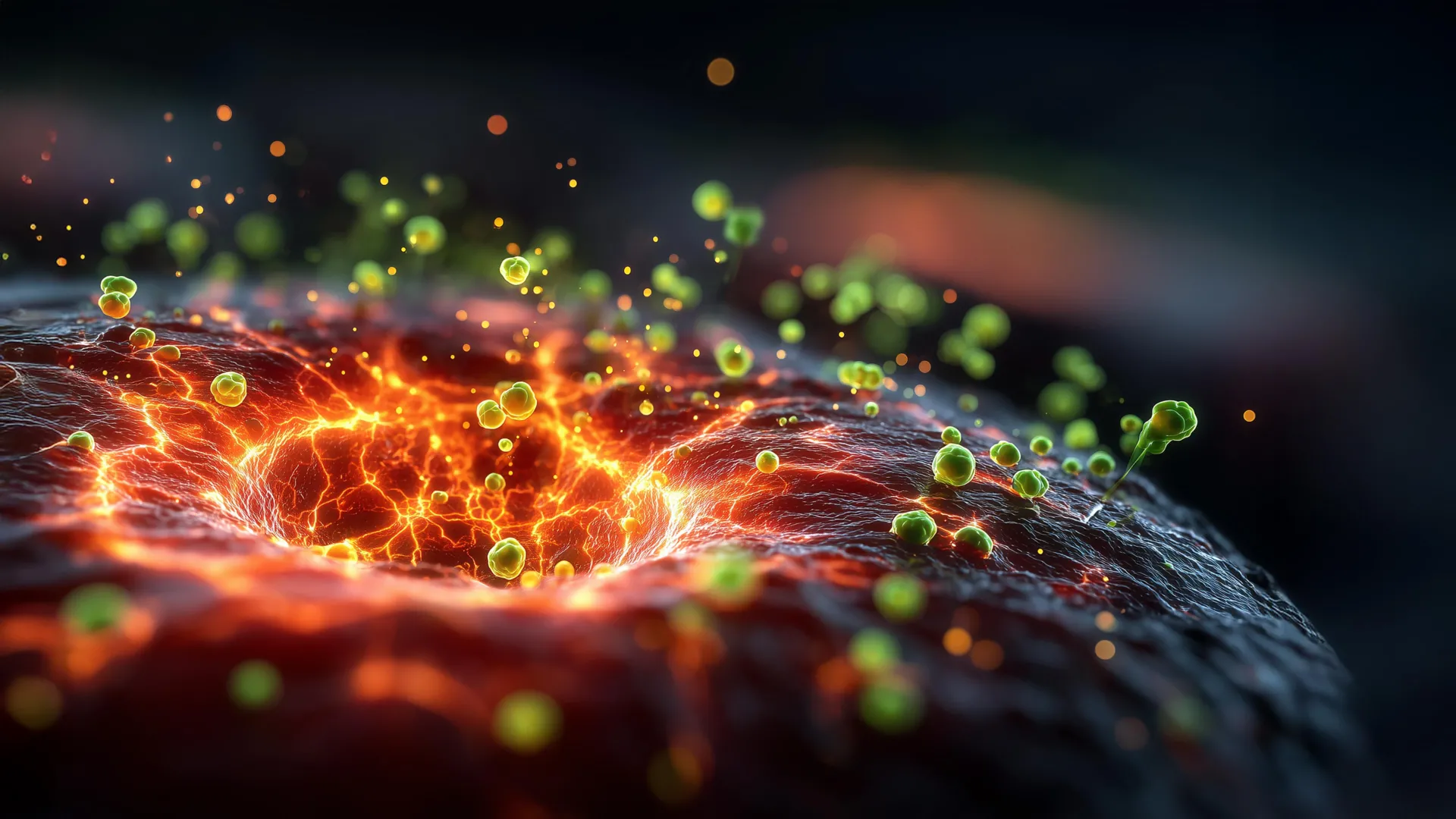
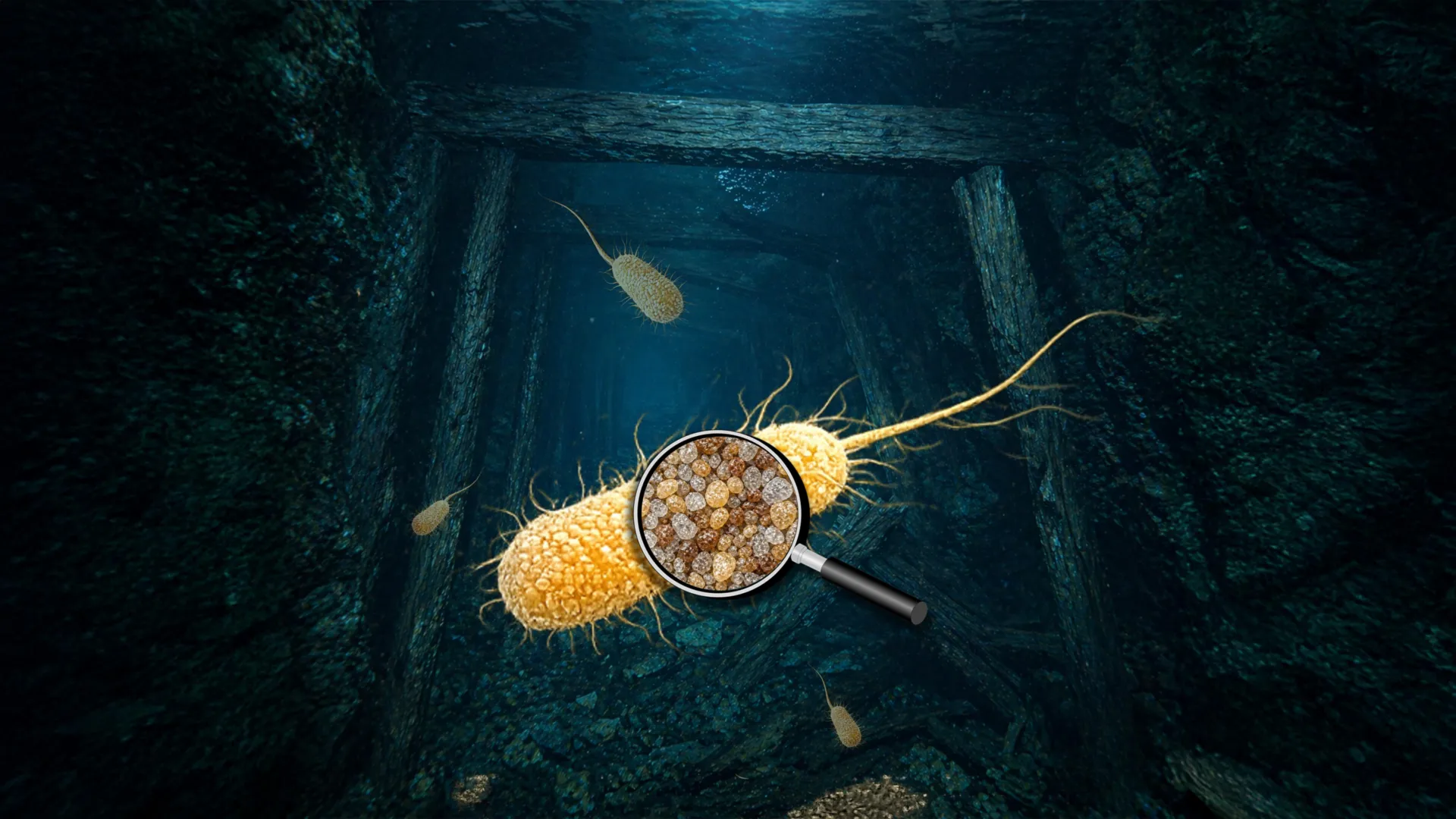
At the center of the concern are biofilms: dense communities of bacteria that attach themselves to surfaces, including the inner walls of water pipes, and secrete a protective slime that shields the group from environmental threats. Inside a drinking-water system, biofilms are already a hazard, because some of the bacteria they harbor can cause disease. The new findings suggest nanoplastics make those defenses even stronger, producing tougher biofilms that resist the chlorine and other disinfectants utilities rely on.
That combination — more resilient bacteria behind a more durable shield — is what worries the researchers. If disinfection becomes less effective, harmful microbes could persist longer in pipes and reach household taps, creating what the team described as an indirect but real risk to human health. The work adds a troubling new dimension to the study of plastic pollution, which has largely focused on the direct effects of ingesting microplastics rather than on how the particles reshape the microbial world around us.
The study does not claim that current tap water is unsafe, and much remains to be learned about how significant the effect is in real-world systems at typical nanoplastic concentrations. But it underscores how plastic waste, having broken down into particles small enough to evade filtration, may be interfering with one of modern society's most basic safeguards. As plastics continue to accumulate and fragment in the environment, the researchers argue, their influence on the bacteria in our water deserves far closer attention.
The findings also point utilities and regulators toward questions they have rarely had to ask. Water systems are engineered and monitored around known chemical and microbial threats, not around the possibility that invisible plastic particles could be quietly reinforcing the microbes those systems are designed to control. Understanding how nanoplastics behave inside pipes, and whether existing treatment can counter their effect on biofilms, is likely to become an increasingly urgent line of research as plastic production keeps climbing worldwide.