Geneva Talks on 'Killer Robots' End With Two More Years of Debate and No Binding Treaty
Diplomats agreed at 4:30 a.m. to study regulation of lethal autonomous weapons, but the rules could be optional, and humanitarian groups called the result a failure.
Diplomats meeting at the United Nations in Geneva agreed early Saturday to begin discussing options for regulating lethal autonomous weapons, often called "killer robots," but the compromise they reached falls far short of what many countries and humanitarian groups had demanded.
After a week of negotiations that ran into the small hours, delegates emerged at 4:30 a.m. with a deal that gives countries two years to propose regulations. Those rules could be legally binding, but they could also be optional. Negotiators insisted the outcome was better than nothing and showed the U.N. disarmament process could still function.
The International Committee of the Red Cross, the guardian of the Geneva Conventions, had said before the talks that it was urgent to draft legally binding rules within a year. That call was backed by the U.N. secretary-general and Pope Leo. The ICRC said immediately after the deal that it regretted the outcome and renewed its appeal for a binding treaty. Other campaigners were harsher, calling it "a real disappointment" and a "nothing burger." One said: "I am concerned people will die because of this."
Some of the world's most powerful militaries had signaled reluctance from the start. Russia delayed proceedings on the first day by objecting to the agenda. The United States then proposed a five-year window to discuss nonbinding, optional guidelines, which one frustrated delegate described as "just kicking the can down the road." The U.S., Russia and Israel had all indicated they were reluctant to accept binding regulation.
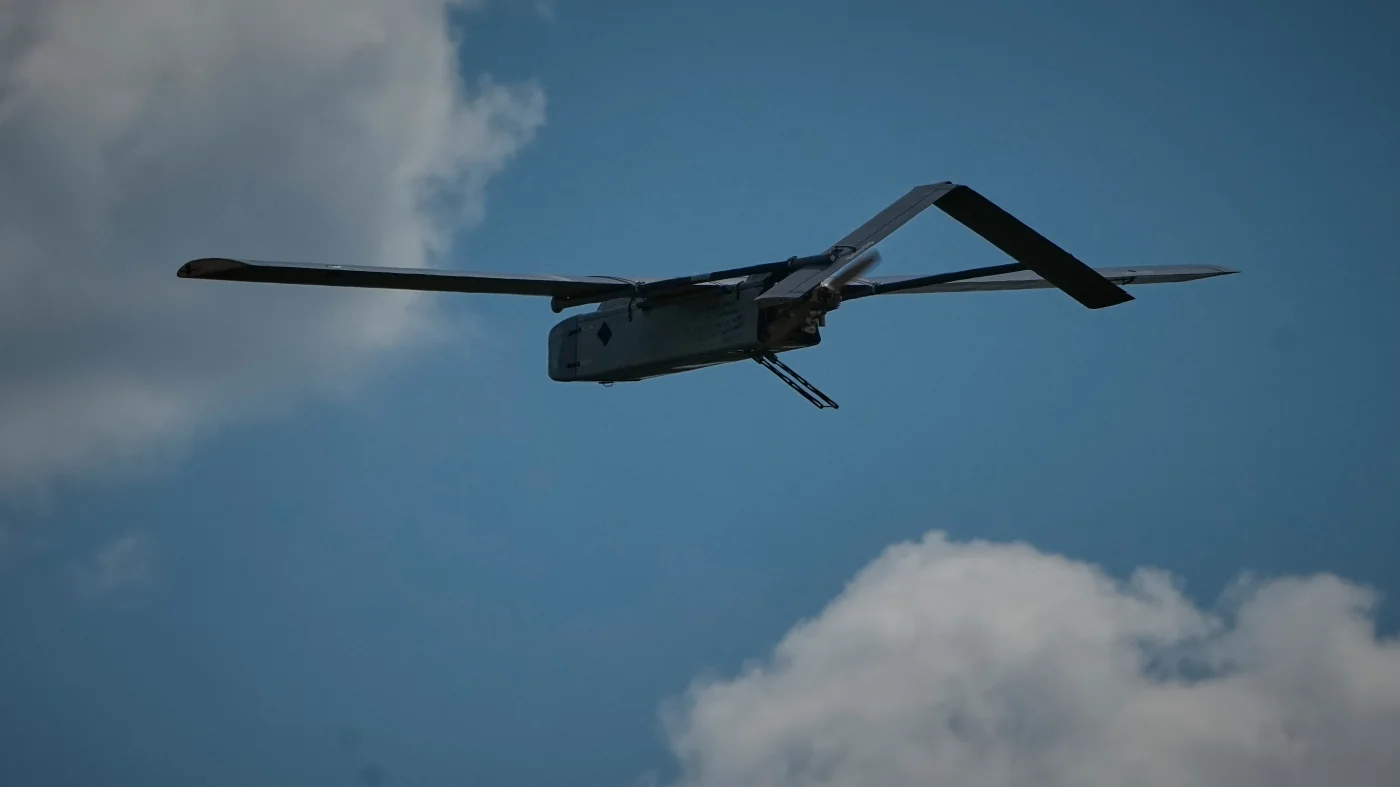
The concern comes from the warfare already under way. In Ukraine, Sudan and Gaza, civilians are being killed by semi-autonomous drones; the U.N. says 80% of civilian deaths in Sudan this year were caused by drones. Humans remain in control, if remotely, for now, but aid groups fear weapons assisted by artificial intelligence could soon make the decision to kill on their own.
"There is a fundamental ethical concern with having what are essentially these life-and-death decisions determined by programming, determined by an algorithm," said Georgia Hinds, a legal adviser at the ICRC. "That's not something that you can fix with better technology. That is a moral red line that we cannot cross." She added that under the laws of war a commander remains accountable for the lawful use of force. "You cannot hold a machine accountable for a violation of the law."
Anna Hehir, an expert in military AI governance at the Future of Life Institute, warned that the systems are likely to spread. Unlike nuclear weapons, she said, they are not inaccessible, and some autonomous weapons are easy to buy or build for individuals, nonstate actors and criminal groups. For at least the next two years, weapons that can use AI to make life-and-death decisions will remain unregulated.