U.S. Becomes First Country to Skip Its Own U.N. Human Rights Review
The State Department says it gives the Geneva council 'no credibility'; the ACLU says the walkout tells the world Washington does not care about scrutiny.
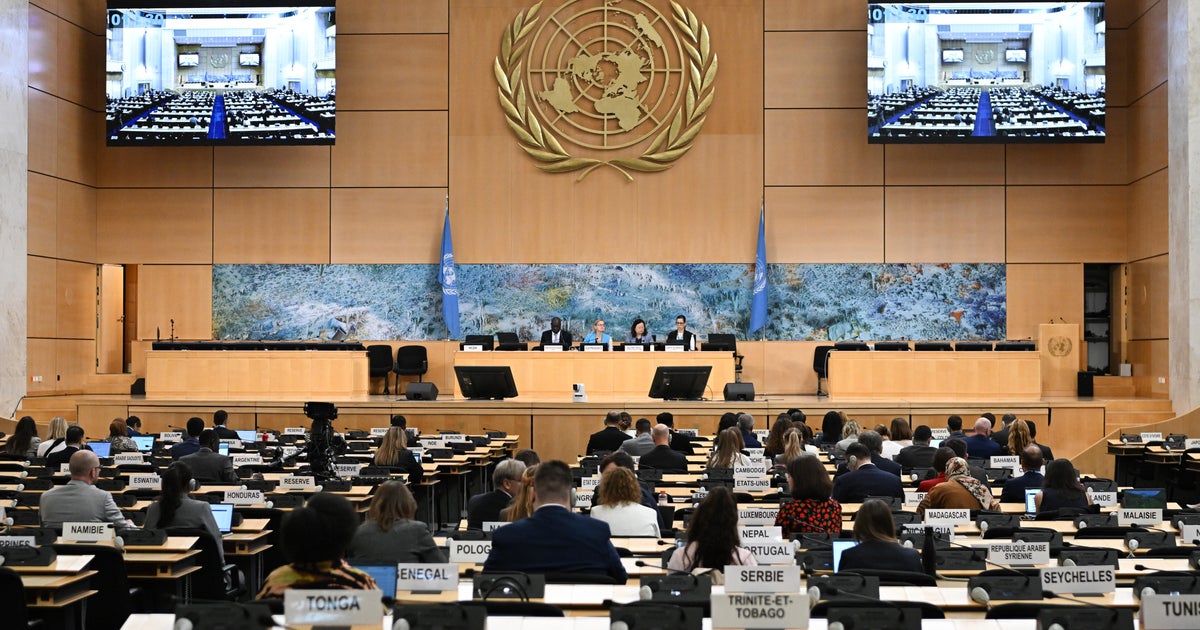
The United States on Tuesday became the first country to fully shun a regular review of its human rights record at the U.N. Human Rights Council since the body was created two decades ago, according to The Associated Press and CBS News.
The Trump administration pulled the U.S. out of the Geneva-based council last year, accusing it of an anti-U.S. and anti-Israel bias and of failing to uphold the values it promotes. The review, known as the universal periodic review, examines the rights records of all 193 U.N. member states, generally every four to five years. National delegations, which can include a dozen officials or more, make a presentation, face questions and hear recommendations from other countries' envoys.
Washington already skipped its appointment a year ago. The review scheduled for November 2025 was pushed back until Tuesday in hopes the U.S. might change its mind. It did not. "(W)e give no credibility to the agency," a State Department spokesperson said in an email to the AP. The spokesperson called the council an "irredeemable body" that "makes a mockery of human rights through consistent failures to uphold its own 'values' as it pushes anti-American rhetoric," and alleged a "persistent failure to condemn the most egregious human rights violators."
The council says the process requires the country under review to take part. With no national representatives present, the review cannot go forward.
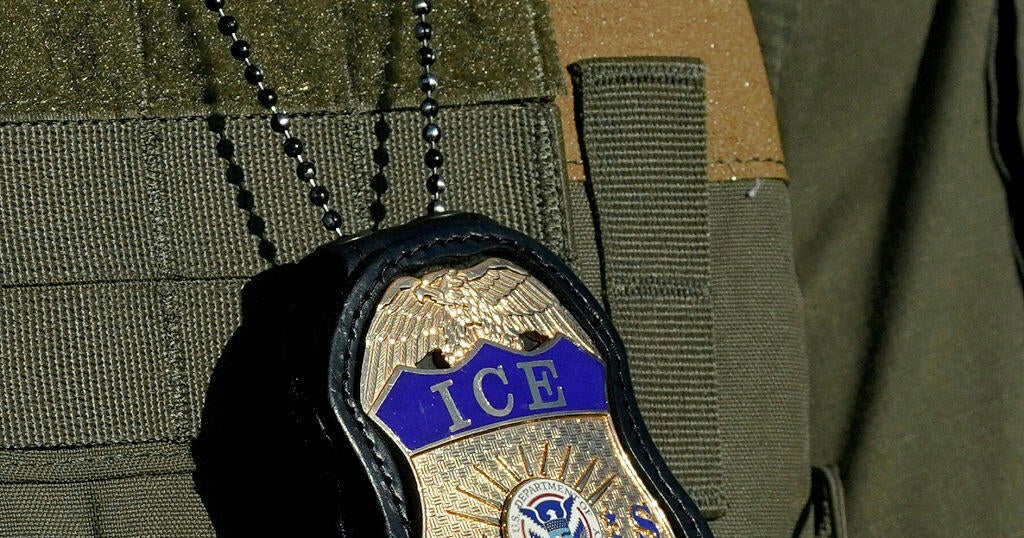
Supporters of the council's mandate say it exists to keep tabs on human rights in every member state, including the United States, which has drawn criticism over strong-arm deportations and targeted killings of alleged drug-runners in the Caribbean and Pacific. The administration has said those policies are meant to protect U.S. workers and keep the country safe.
Jamil Dakwar, director of the ACLU's human rights program, spoke to reporters in Geneva on Monday. "The administration is saying to the world, 'we don't care about whether you would review us or not, we're going to continue to violate human rights unabashed,'" he said. "And we are saying: 'No, enough is enough. This council should hold the United States accountable.'" The ACLU and its allies have asked the U.N. human rights chief to present an update on rights in the United States early next year.
Critics warn the walkout could encourage other governments, many of which resent scrutiny from rights monitors, to follow suit. Eric Tistounet, a visiting professor at the Geneva Graduate Institute and the council's first secretary, said it could damage the credibility of the whole system. "If the predominant global power, which has always claimed to adhere to the human rights norms, doesn't show up and doesn't even justify why, then you are in big trouble," he said.
The review cannot compel participation. That leaves the council with few tools beyond public criticism, and it sets a precedent that other countries facing awkward questions may now be tempted to cite.