COP31 Collapses in Antalya With No Deal After Fight Over Fossil Fuels
The longest climate summit in history ended Sunday without an agreement as the EU and a coalition led by France and Panama refused a text that never mentioned fossil fuels.
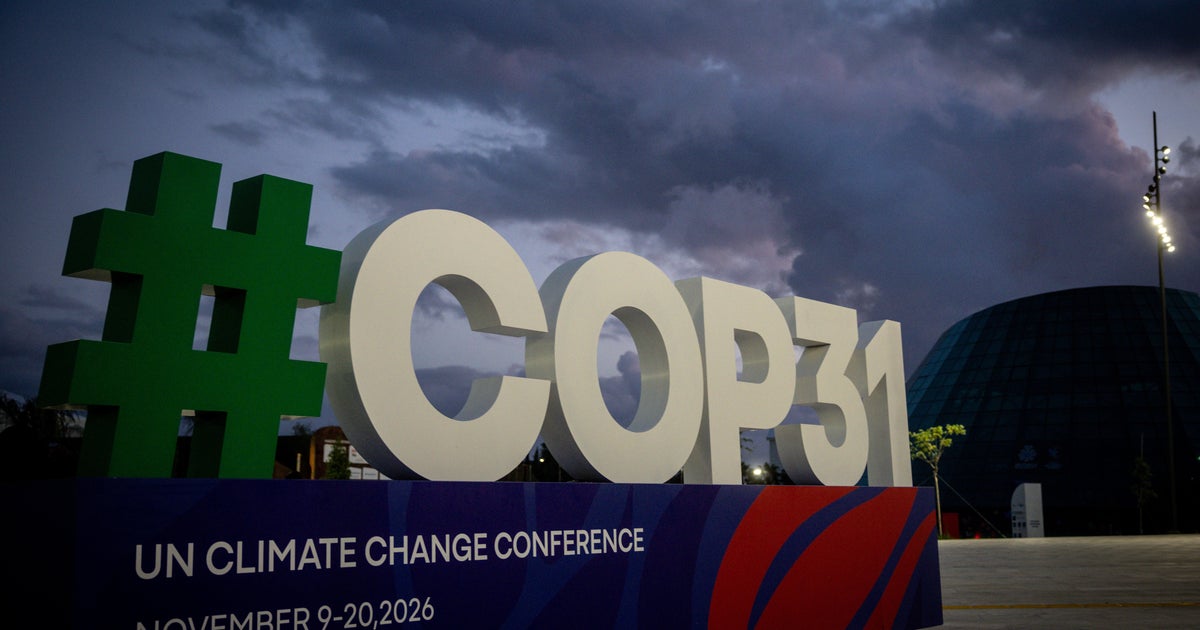
The United Nations' COP31 climate conference ended Sunday in Antalya, Turkey, without a final agreement, after two weeks of talks collapsed over a dispute between countries that want to phase out fossil fuels and those that refuse to.
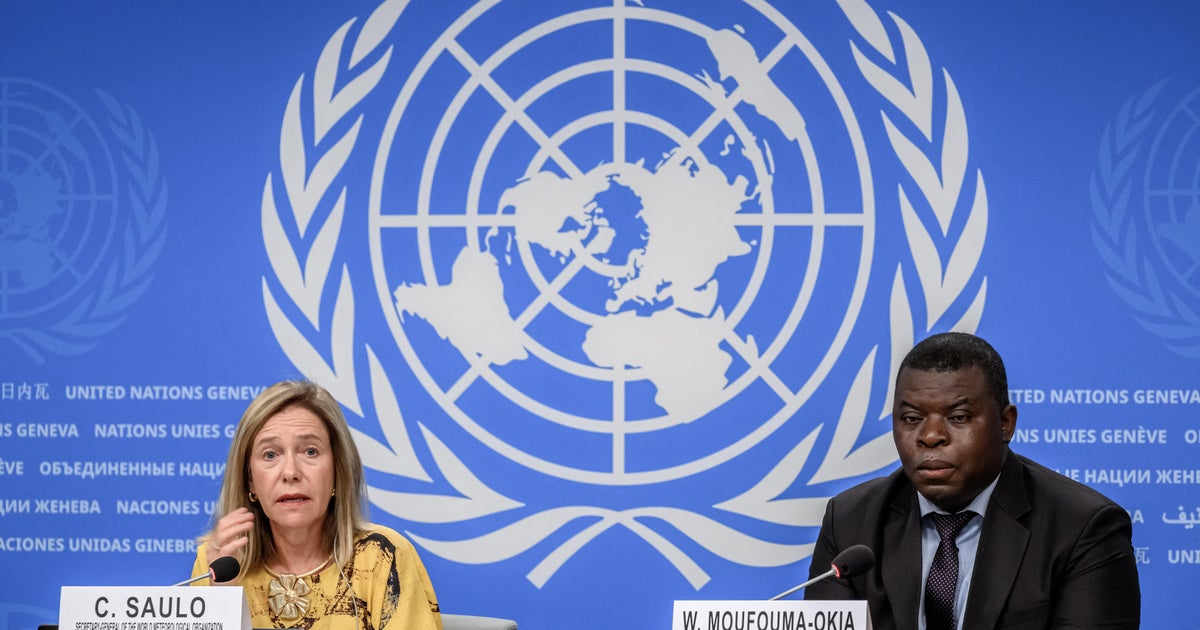
Delegations from nearly 200 countries negotiated into overtime, making this the longest COP summit in history. U.N. Secretary-General António Guterres said he was "deeply disappointed." "I share the very profound frustration of all those who expected governments to rise to the moment the climate crisis demands," he said. "There may be no consensus in the negotiating room. There is no ambiguity in the science."
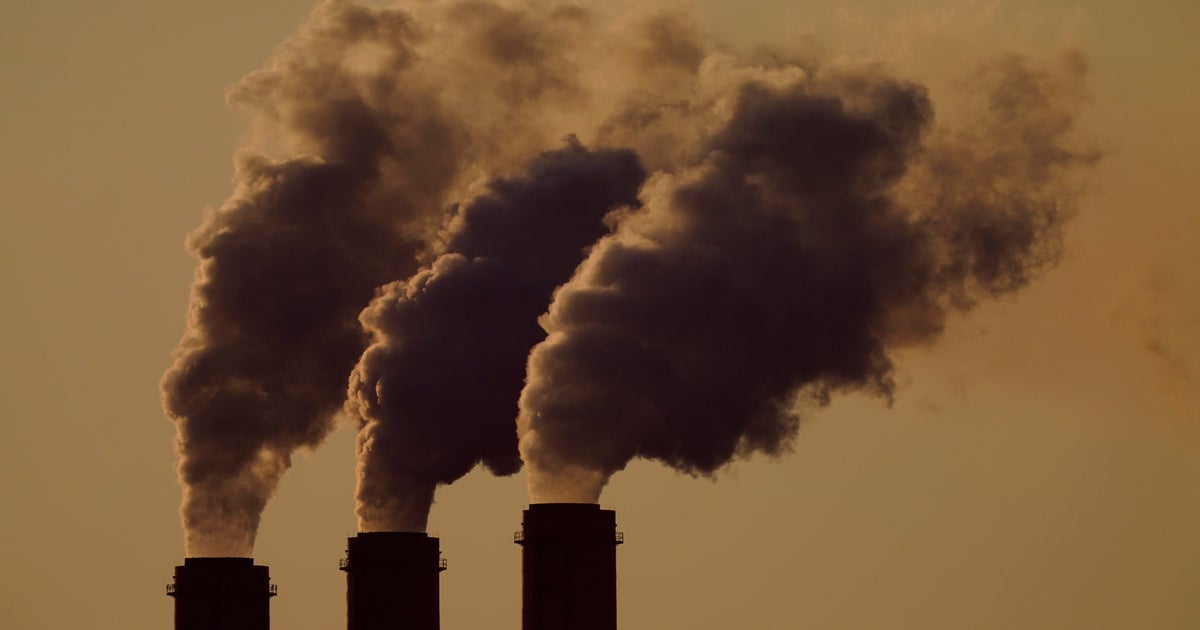
The breaking point came Sunday, when the European Union rejected a draft that did not mention fossil fuels at all. "We will not endorse a cover decision or an Antalya pact that does not even mention fossil fuel, which is the key driver of climate change," said Ireland's climate minister Darragh O'Brien, speaking for the EU. "And we will not accept negotiating backward in time, and we will not accept a COP that greenwashes fossil fuel." The EU joined a group of smaller nations facing heightened threats from climate extremes and challenged oil producers such as Saudi Arabia, which staunchly rejected their views.
The fight had been building since Friday, the scheduled last day, when a coalition led by France and Panama and including countries from Europe, Africa, Latin America and the Pacific rejected the latest draft as too weak. They demanded explicit fossil fuel language and stronger commitments on climate finance. "We cannot continue to be held hostage by petroleum producers," said Panama's environment minister, Juan Carlos Navarro, who vowed to formally object to any deal that left the issue out.
An early draft had called for "accelerated action to phase out fossil fuels" and urged an end to inefficient fossil fuel subsidies, and it resolved to bring warming back below 1.5 degrees Celsius as early as possible this century. That language disappeared within days. Later drafts instead proposed capturing billions of tons of carbon dioxide from the atmosphere annually by 2035, a technology critics say distracts from cutting fossil fuel use, along with a goal of electricity supplying more than a third of the world's energy by the same date.
Conference rules require unanimity, so a single objection can sink a deal. COP31 President Murat Kurum, Turkey's environment minister, said the draft was not adopted because there was no consensus. "We did not impose this text on anyone," he said. Australia's climate and energy minister, Chris Bowen, who shared the presidency with Kurum because Turkey and Australia jointly hosted the summit, said talks broke down because of "unbridgeable red lines" in "the most complicated and fraught geopolitical environment in living memory," according to CBS partner BBC News.
The United States sent no representatives for the second year in a row, following the Trump administration's withdrawal from the 2015 Paris Agreement. The negotiators' own draft text acknowledged that warming is projected to exceed 1.5 degrees at its peak, and said that if current national plans were fully carried out, the world would be on track for just over 2.5 degrees, down from more than 4 degrees before the Paris accord.
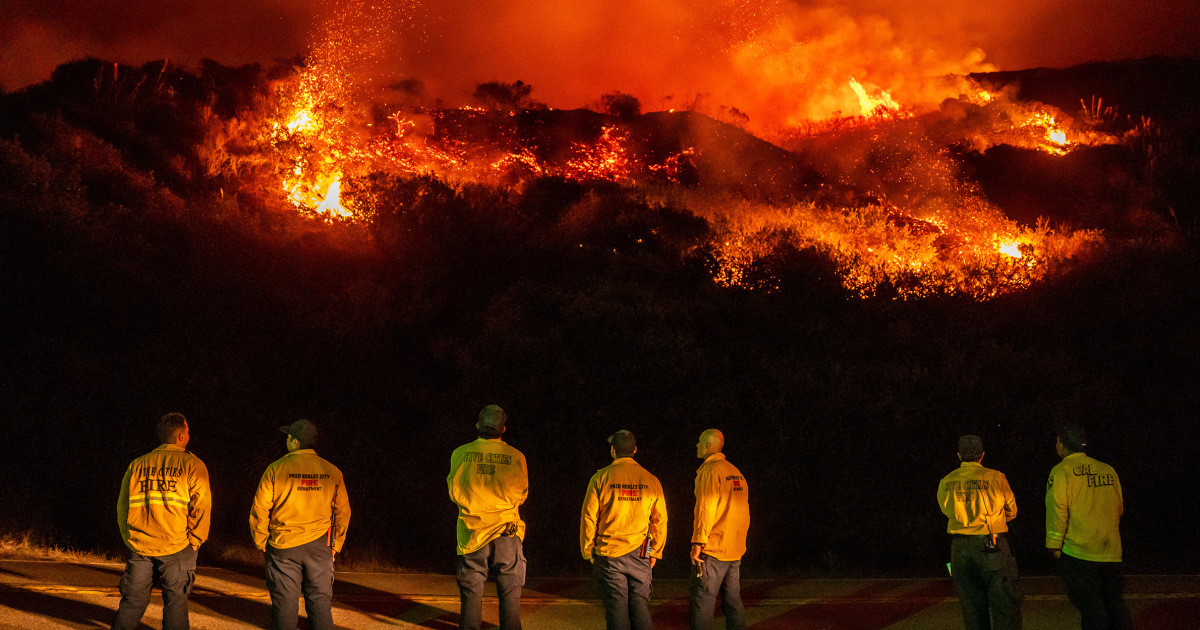
Guterres used the week to urge governments to move away from fossil fuels, triple adaptation funding by 2035 and tax fossil fuel companies' windfall profits to help vulnerable nations recover from disasters. "Polluters must pay," he said. The year's deadly disasters, record heat and wildfires, which meteorologists largely tie to a powerful El Niño amplified by climate change, formed the backdrop. With no deal, none of the proposed targets take effect, and the fight over fossil fuels moves to the next round of talks.