The U.N. Just Said Out Loud That 1.5 Degrees Is Gone. Its New Plan Is to Overshoot and Climb Back
UNEP's first report on exceeding the Paris target says the world is at 1.4C now and will cross the line within a few years. Even the optimistic path peaks near 1.8C.
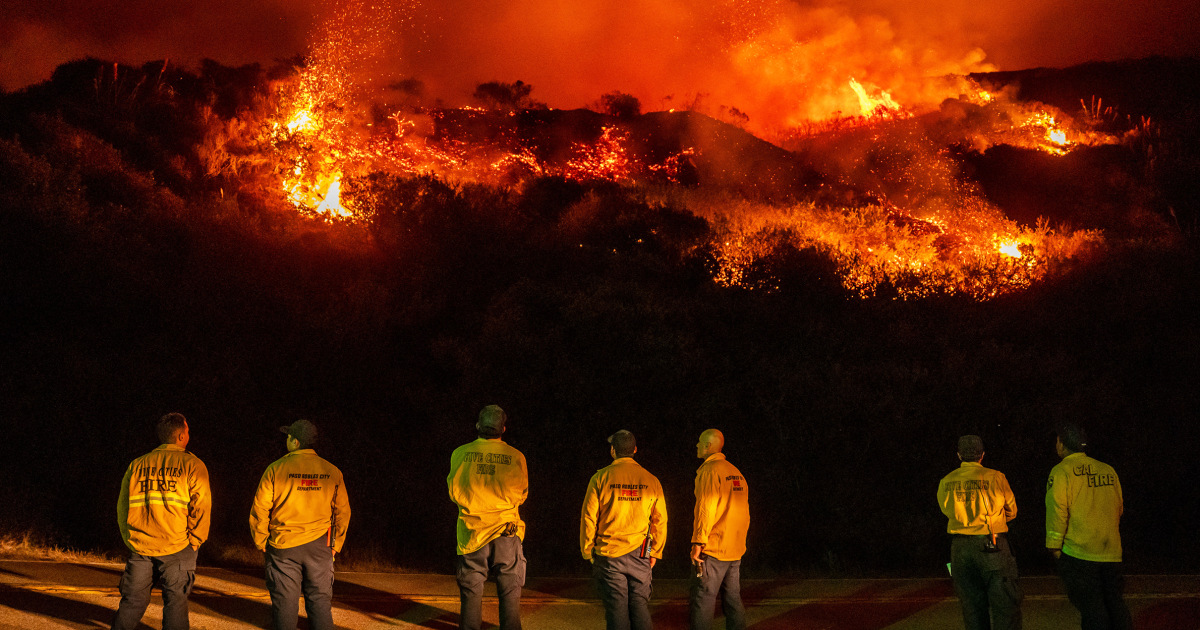
The United Nations Environment Programme said Wednesday that the world will pass 1.5 degrees Celsius of warming above preindustrial levels within the next few years, the first time a U.N. agency has stated the breach as fact rather than risk.
The report, titled "Limiting Overshoot," puts current warming at about 1.4 degrees. It says global action to cut greenhouse gas emissions has not been fast enough to keep the planet under the threshold that governments affirmed as the more ambitious goal of the Paris Agreement a decade ago. UNEP's framing is that the useful question has changed: the best remaining option, the agency wrote, has shifted from avoiding overshoot to navigating it.
What that means in practice is a pathway UNEP calls overshoot, peak and decline. Temperatures rise past 1.5 degrees, peak, and are then pulled back down below the line through deep emissions cuts, an end to fossil fuel use and large-scale carbon removal. In the most optimistic scenario the report models, in which governments fully implement their national climate plans and their additional net-zero pledges, warming peaks at roughly 1.8 degrees around mid-century. On the trajectory current policies actually describe, the world reaches about 2.6 degrees by 2100.
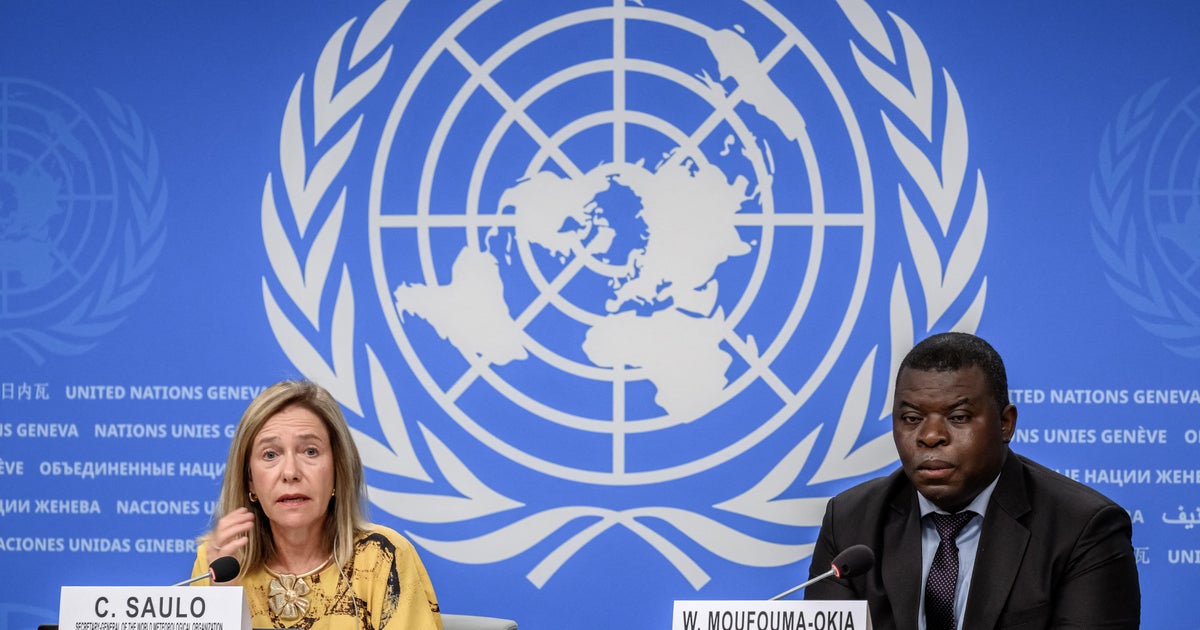
"Humanity is speeding past the limit to avoid climate catastrophe," U.N. Secretary-General Antonio Guterres said. UNEP Executive Director Inger Andersen put the shift in strategy more plainly: "1.5 target is still the goal. But now we need to approach it differently from above." Richard Betts, a co-author of the report, said the finding is not a reason to stop counting. "We have to live with this warmer world," he said. "But there's still a lot we can do to limit warming."
The height and length of the overshoot is what the report treats as the real variable. Every five years of delay in cutting emissions adds roughly 0.1 degrees to peak warming. The period above the line carries falling food production, water shortages, species loss, wider disease ranges and economic damage, and it raises the odds of changes that do not reverse when the temperature comes back down: the collapse of ice sheets, the loss of coral reefs, the dieback of the Amazon.
The report landed alongside a warning from Kanni Wignaraja, a U.N. assistant secretary-general, about glacial flood risk in the Himalayas threatening millions of people downstream. Climate campaigners who spent a decade organizing around the number 1.5 reacted with frustration. The World Resources Institute said the report shows a return below the threshold is still possible, which is the narrow thing UNEP is trying to hold onto: not that the target was met, but that it has not permanently expired.