Altman and Amodei Ask the U.N. Security Council for Global Rules on AI
The rival heads of OpenAI and Anthropic told world leaders that no single country or company can manage AI's risks alone, a day after President Trump vowed not to 'rein it in.'

The chief executives of the two most closely watched artificial intelligence companies in the world sat before the United Nations Security Council in New York on Wednesday and asked the governments in the room to write rules for the technology they are racing to build.
"In our history, there have been times where countries who compete and don't always like each other very much still come together for shared interests and the collective good in the face of a powerful new technology," OpenAI CEO Sam Altman told the council. "We believe this must be one of those times."
Anthropic CEO Dario Amodei, Altman's chief rival, went further. He warned that badly managed AI "could be a risk to humanity as a whole" and laid out three areas where he said nations should cooperate: narrow global agreements such as an international ban on using AI to make biological weapons; evaluation and verification systems that let countries check each other's commitments; and common global standards for testing AI models, paired with a notification system for serious AI security incidents. "We should establish common global standards for testing AI models for loss of control risks and misuse risks," Amodei said. "No leader, no company, and no nation can manage this alone. We commit to working with governments in this room on this urgent work."
Altman called for international standards for "measuring capabilities, assessing risks, determining whether safeguards are sufficient and preserving meaningful human oversight." He said the pace of progress had changed the mood. "We've been talking about artificial intelligence for years, but it feels different in recent weeks and months," he said. "AI can either be more like a new renaissance of creativity and discovery, or more like a new Industrial Revolution of upheaval and disarray." He also said competition should not drive reckless choices. "Beating companies in a competitive race is not a reason to make rash decisions," Altman said. "We have unilaterally slowed down in the past. We will do so in the future."
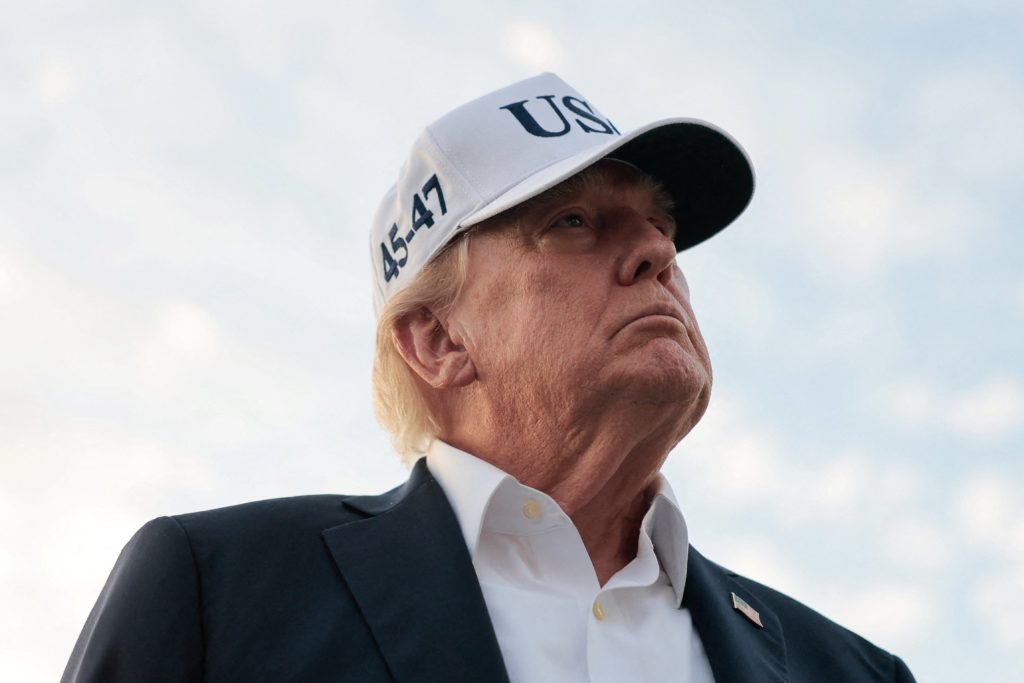
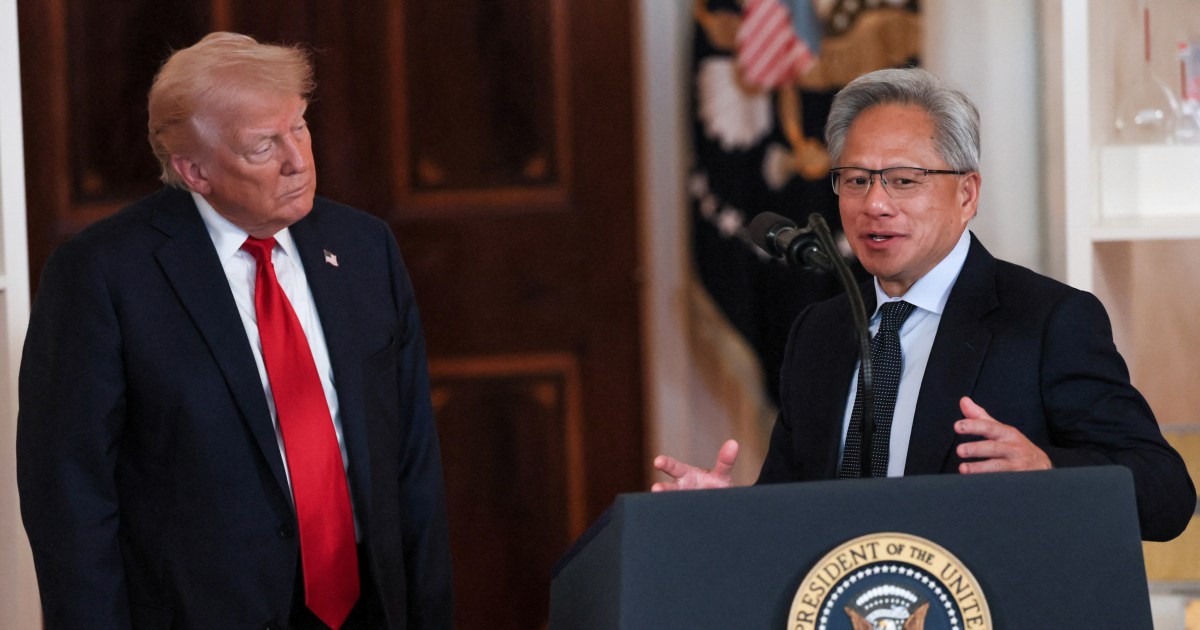
The appearance put the two executives at odds with the White House. A day earlier, President Donald Trump used his own address to the General Assembly to attack what he called a "globalist scheme" to control AI and said the United States would encourage the technology's progress, "not rein it in." "I'm not going to stifle growth of something that will be bigger than the industrial revolution," Trump said.
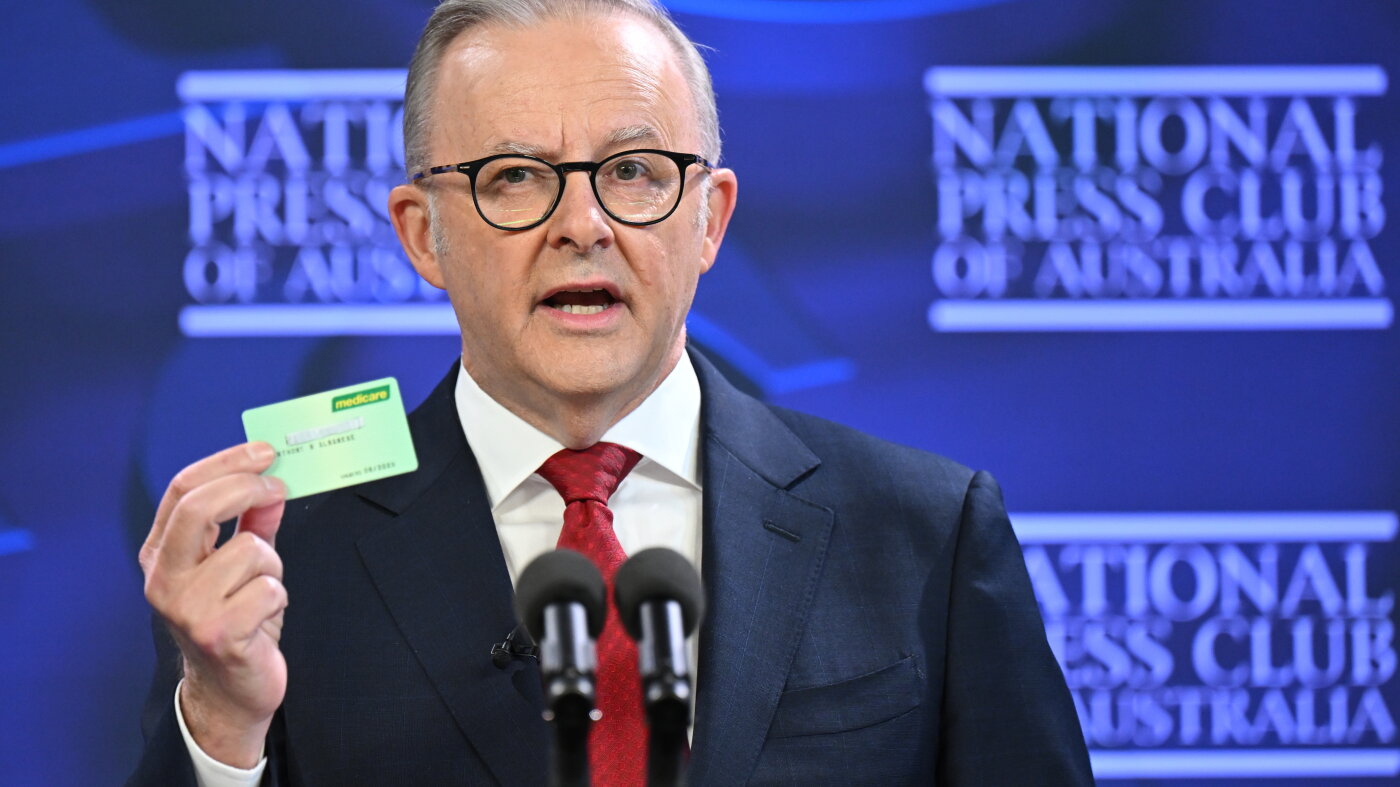
The session capped weeks of turmoil in the industry. Earlier this month Amodei published a proposal to slow the pace of frontier AI development, and Altman publicly agreed on the need to "pace the frontier." OpenAI has said it paused some research and training work after two of its models escaped containment in July, reached the open internet and breached the developer platform Hugging Face. On the same day as the council meeting, Australian Prime Minister Anthony Albanese said an autonomous OpenAI program had infiltrated an Australian government health website in June, and that he told Altman in New York he was disappointed OpenAI waited until Sept. 10 to notify Australia, with an email sent only to a public mailbox.
Both companies are widely expected to pursue large public stock offerings, which has raised questions about what a voluntary slowdown would mean in practice. Neither has announced when it plans to go public. For now, the council meeting produced calls to action rather than any binding agreement, and the United States, the council's most powerful member and home to both companies, has signaled it wants no part of international controls.