Vance Tells Air Force Graduates Military Should Never Let AI Make Life-Death Decisions
Vice President's speech comes as Pentagon advances artificial intelligence integration into warfare systems, sparking debate over autonomous weapons.
Vice President J.D. Vance delivered a stern warning about artificial intelligence in warfare during his address to Air Force Academy graduates, declaring that the military should never allow AI systems to make life-and-death decisions. The speech comes as the Pentagon moves forward with incorporating artificial intelligence into various military applications, raising critical questions about the role of autonomous systems in combat operations.
Vance's remarks reflect growing concerns within the military and policy circles about the ethical implications of AI-powered weapons systems. As military technology rapidly advances, defense officials are grappling with how to harness AI's capabilities while maintaining human oversight over critical decisions that could result in casualties.
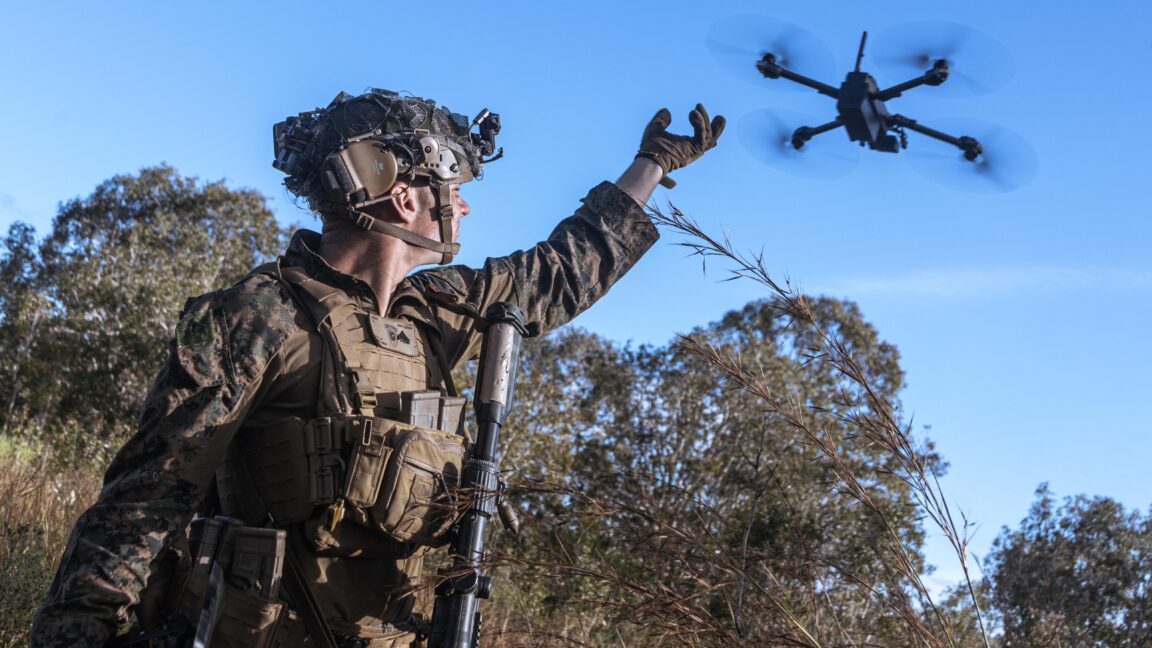
The Pentagon has been investing heavily in AI research and development, viewing artificial intelligence as essential for maintaining military superiority in an era of great power competition. These efforts include everything from logistics and maintenance systems to more controversial applications like autonomous drones and missile defense systems.
The Vice President's position puts him at odds with some military leaders who argue that AI could provide strategic advantages in rapidly evolving battlefield situations where human decision-making might be too slow. Proponents suggest that AI systems could potentially reduce civilian casualties by making more precise targeting decisions than humans under stress.
Vance's speech to the graduating cadets underscores the ongoing debate about where to draw ethical lines in military AI development. As these future Air Force officers prepare to serve in an increasingly technology-driven military, they will likely face unprecedented decisions about how to integrate artificial intelligence while preserving human judgment in matters of life and death.