Pentagon Seeks $54 Billion for Drone Programs, Exceeding Most Nations' Military Budgets
The massive funding request for unmanned systems represents a strategic shift toward autonomous warfare capabilities and emerging technology priorities.
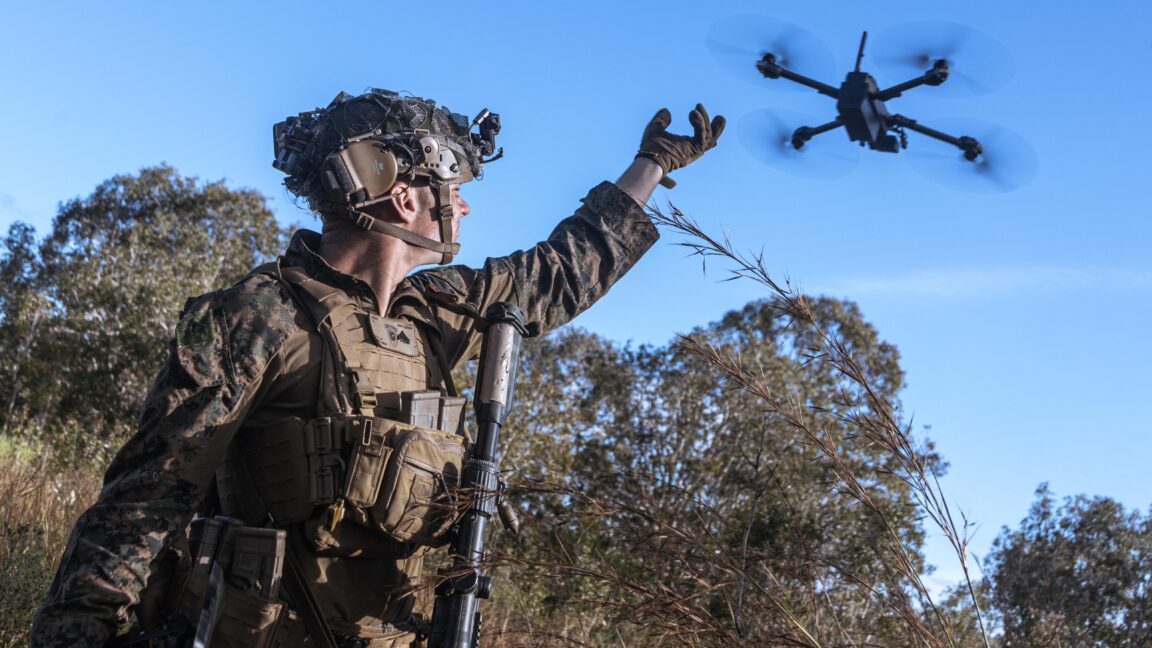
The Pentagon has requested $54 billion for drone and unmanned systems programs in its latest budget proposal, a figure that exceeds the entire military budgets of most nations worldwide and signals a fundamental shift in U.S. defense strategy toward autonomous warfare capabilities. The unprecedented funding request represents one of the largest single investments in unmanned military technology in American history, reflecting growing recognition that future conflicts will increasingly rely on autonomous and semi-autonomous systems rather than traditional manned platforms.
The massive budget allocation encompasses development and procurement of various unmanned systems across all military branches, from small reconnaissance drones to large autonomous naval vessels and next-generation fighter aircraft programs. Defense officials argue that this investment is essential to maintaining technological superiority over potential adversaries who are rapidly advancing their own unmanned capabilities. The funding would support both immediate operational needs and long-term research into artificial intelligence systems that could operate independently in complex combat environments.
To put the $54 billion figure in perspective, this single budget line item exceeds the total annual military spending of countries like the United Kingdom, France, or Japan. The investment demonstrates how unmanned systems have evolved from niche military tools to central components of modern warfare strategy. Pentagon planners view autonomous systems as force multipliers that can reduce risk to human personnel while providing persistent surveillance and strike capabilities in contested environments.
The funding request includes substantial investments in artificial intelligence development, advanced sensors, and communication systems that enable drones to operate in environments where traditional communications might be jammed or disrupted. Military strategists emphasize that these capabilities are essential for operating in potential conflict zones where adversaries possess sophisticated electronic warfare capabilities. The budget also includes provisions for defensive systems designed to counter enemy drone threats, recognizing that unmanned warfare presents challenges as well as opportunities.
Critics of the massive drone spending argue that the investment represents a concerning escalation in autonomous weapons development and raises ethical questions about removing human decision-making from lethal force applications. However, defense advocates contend that the investment is necessary to deter potential conflicts and protect American interests in an increasingly complex global security environment. The budget request must still receive Congressional approval, but the scale of the proposed investment reflects bipartisan support for maintaining American technological advantages in next-generation warfare capabilities.