Colombian Rebel Leader 'The Spider' Lands in California to Face U.S. Terrorism Charges
Geovany Andrés Rojas had been shielded from extradition as a peace negotiator. Colombia's new president, Abelardo de la Espriella, lifted that protection and oversaw his transfer.
A Colombian warlord whose extradition to the United States was frozen for months while he served as a government peace negotiator has been flown to California and handed to federal agents, a sharp signal that Colombia's new government is taking a harder line on armed groups.
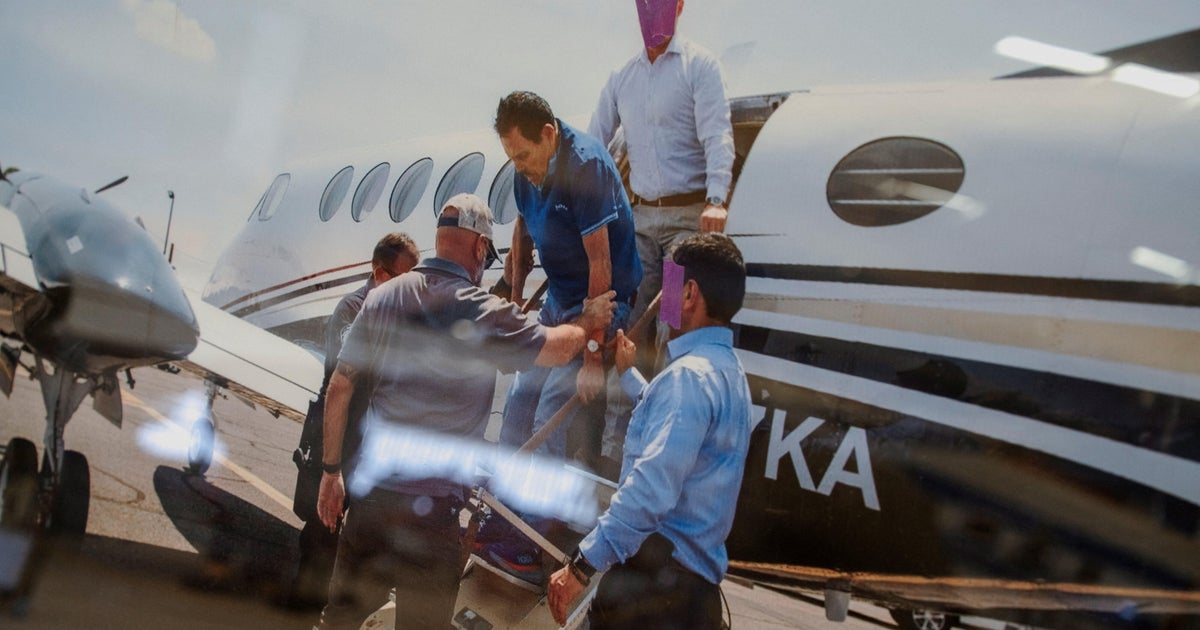
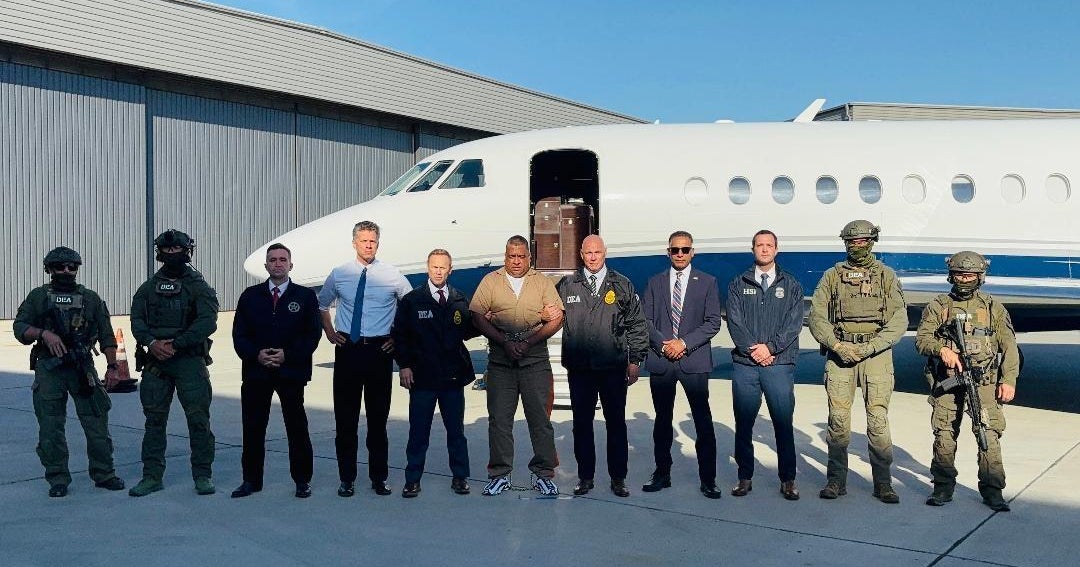
Geovany Andrés Rojas, known as "Araña," or "The Spider," faces drug trafficking and terrorism charges in the United States. For years he was a spokesman and leader of Comandos de la Frontera, a rebel group that traffics cocaine in Putumayo, a Colombian province bordering Ecuador and Peru. The Justice Department released a photo of Rojas flanked by law enforcement officers after his arrival, and he was expected to make his first court appearance Monday.
"Colombia and the Department of Justice are making a clean sweep of narcoterrorists, starting with Araña," U.S. Attorney Adam Gordon said in a statement.
Rojas was arrested in Bogotá in February 2025, and Colombia's Supreme Court approved his extradition that October. But then-President Gustavo Petro suspended it, arguing he needed Rojas at the table for peace talks between the government and several rebel groups, including Comandos de la Frontera. That protection ended with a change of government. President Abelardo de la Espriella, a conservative elected in June who was endorsed by President Donald Trump during the campaign, lifted the ban and personally supervised Rojas' transfer on Friday.
"You don't build peace by protecting narco-terrorists like this bandit," De la Espriella said. "I ask U.S. authorities … that he cannot negotiate deals that will leave his crimes unpunished."
The new president has suspended talks with rebel groups and taken an iron-fist approach to crime, recently militarizing a city in northern Colombia where a drug gang tried to impose a three-day curfew. He has said he will work closely with Washington against drug trafficking, a reversal from Petro, whose relationship with the Trump administration was often hostile.
Colombia has struggled for years to control violence in rural regions, where drug gangs and rebel factions battle over territory abandoned by the Revolutionary Armed Forces of Colombia, or FARC, after its 2016 peace deal with the government. More than 14,000 fighters laid down their weapons under that agreement, which ended five decades of guerrilla war. But it left a power vacuum in areas with little state presence, where cocaine production, illegal mining and extortion thrive, and breakaway groups now fight over those routes and rackets.
Comandos de la Frontera emerged in 2017 and is partly led by former FARC fighters who rejected the 2016 deal. It once allied with Segunda Marquetalia, a group founded in 2019 by former FARC commander Luciano Marín, but that alliance fell apart two years ago, leaving Comandos de la Frontera to negotiate separately with the government until De la Espriella shut the talks down.