The Man Ireland Blames for a Decade of Gangland Killings Landed at a Dublin Airbase Under Armed Guard
Daniel Kinahan ran a cocaine and money-laundering network from Dubai for years while the UAE ignored extradition requests. On Sunday an Irish Air Corps plane brought him home.
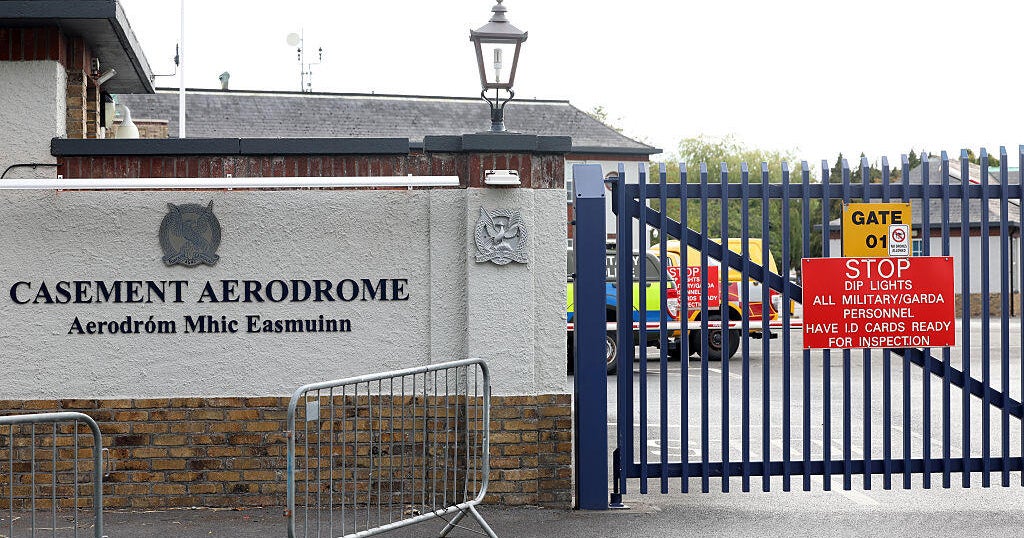
An Irish Air Corps plane touched down at Casement Aerodrome outside Dublin on Sunday evening carrying Daniel Kinahan, the 49-year-old man Irish prosecutors accuse of directing the organized crime group that has driven a decade of gangland violence in Ireland. It was the end of a pursuit that had spent years stalled in the courts of a country that showed no interest in giving him up.
Kinahan will face a charge of directing an organized crime group before the Special Criminal Court, the non-jury court Ireland reserves for organized crime and terrorism cases, where the risk of jury intimidation is treated as a given rather than a possibility. He is being held at Portlaoise, the high-security prison about 90 miles southwest of Dublin that houses the state's most closely guarded inmates.
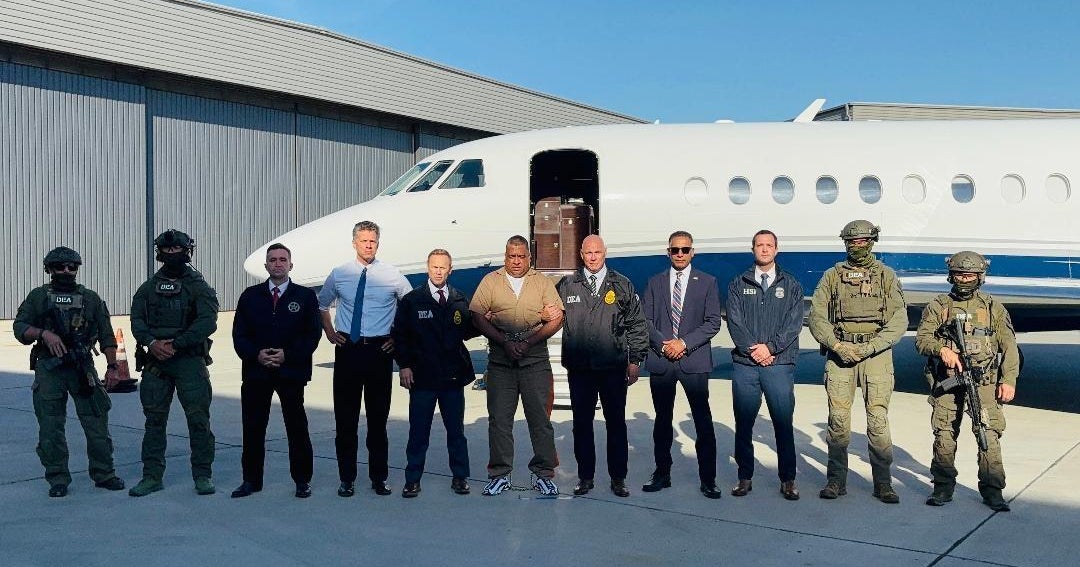
The security around the transfer was extraordinary by Irish standards. Armed police, defense forces personnel and prison service officers were deployed for the handover, and the convoy included a newly acquired bombproof escort van — equipment bought for exactly this category of prisoner and this category of enemy.
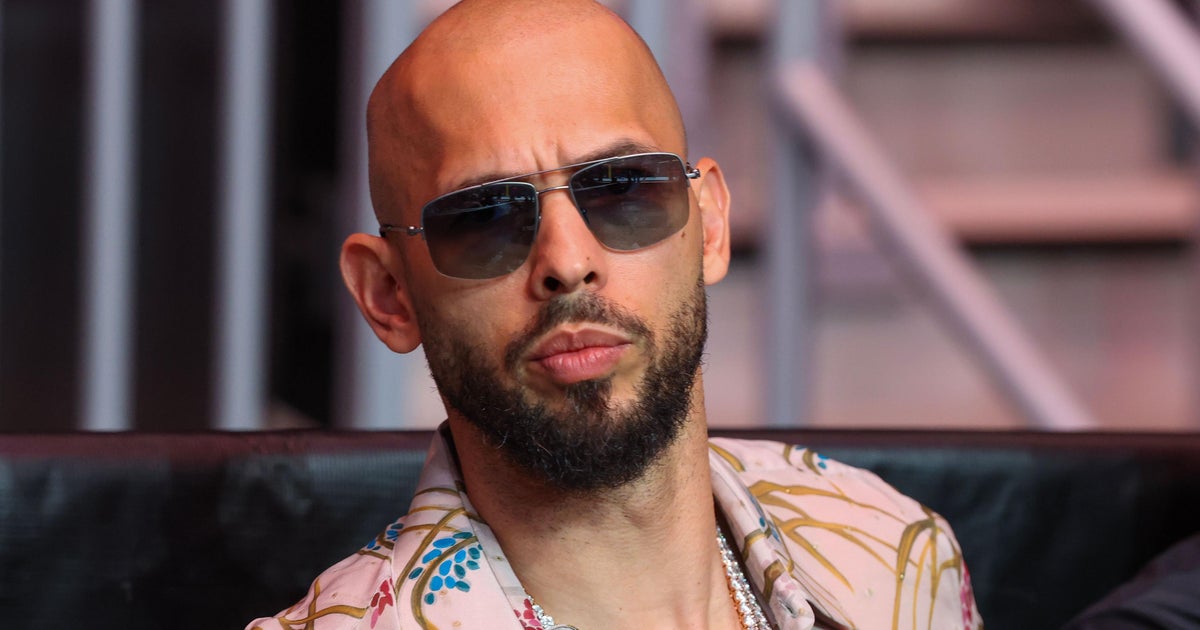
What made the extradition possible was that UAE courts declined to block it. Kinahan had run day-to-day operations from Dubai, where he lived openly for years, moving in professional boxing circles and appearing in promotional photographs while Irish authorities pressed a case that went nowhere. The emirate's willingness to let him go marks a shift in a jurisdiction that had long functioned as a safe harbor for figures wanted elsewhere.
The organization he is accused of running is not a local operation. Investigators describe a network that moved cocaine and cannabis from South America into Europe, laundered the proceeds through businesses that looked legitimate — including a branded vodka operation along Spain's Costa del Sol — and trafficked weapons, with activity spanning Ireland, Britain, Spain and the United States.
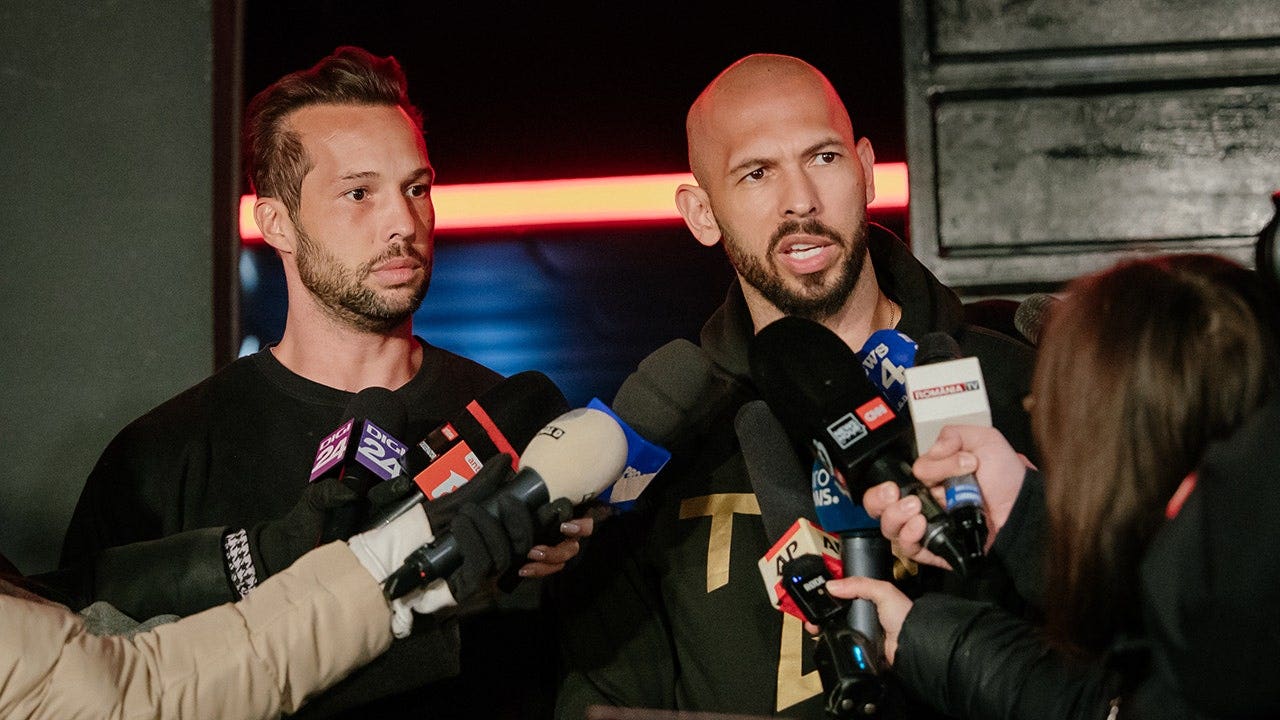
The United States moved against the network in 2022, when the Treasury Department sanctioned six members of the Kinahan gang and three linked businesses. Treasury's designation cited "numerous murders" attributed to the group since February 2016, including killings of bystanders with no connection to the feud. That date is not incidental: February 2016 is when gunmen, one dressed as a member of the Irish police tactical unit, attacked a boxing weigh-in at Dublin's Regency Hotel, opening a feud between the Kinahan and Hutch organizations that has been blamed for roughly 18 deaths.
For Ireland, the case is a test of whether a prosecution can reach the top of an organization rather than its couriers and gunmen. Ireland's Criminal Assets Bureau has seized property and the Special Criminal Court has convicted lower-ranking members for years, but the charge of directing an organized crime group — created in Irish law precisely to reach leadership that never touches a shipment — has rarely been used against anyone of this rank. On Sunday, the defendant was on Irish soil for the first time in years.