Maduro Says No American Court Can Try Him. His Lawyers Filed for Immunity Four Months Before Trial
The former Venezuelan president and his wife, Cilia Flores, are asking Judge Alvin Hellerstein to throw out their drug trafficking indictment on sovereign immunity grounds. Oral arguments are set for November 17.
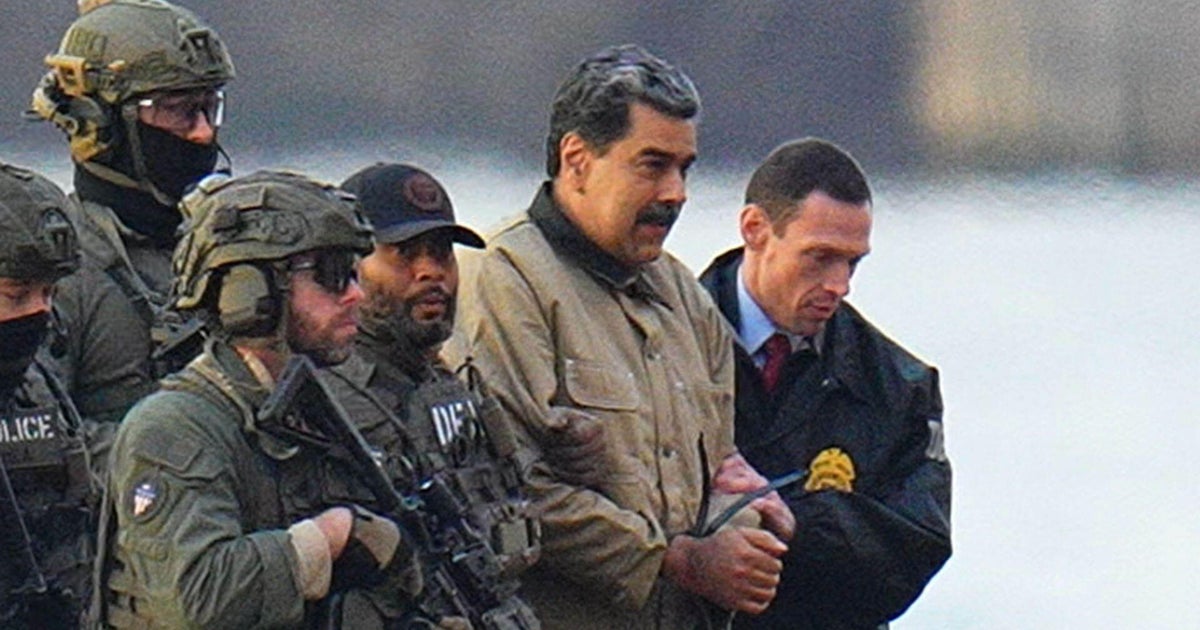
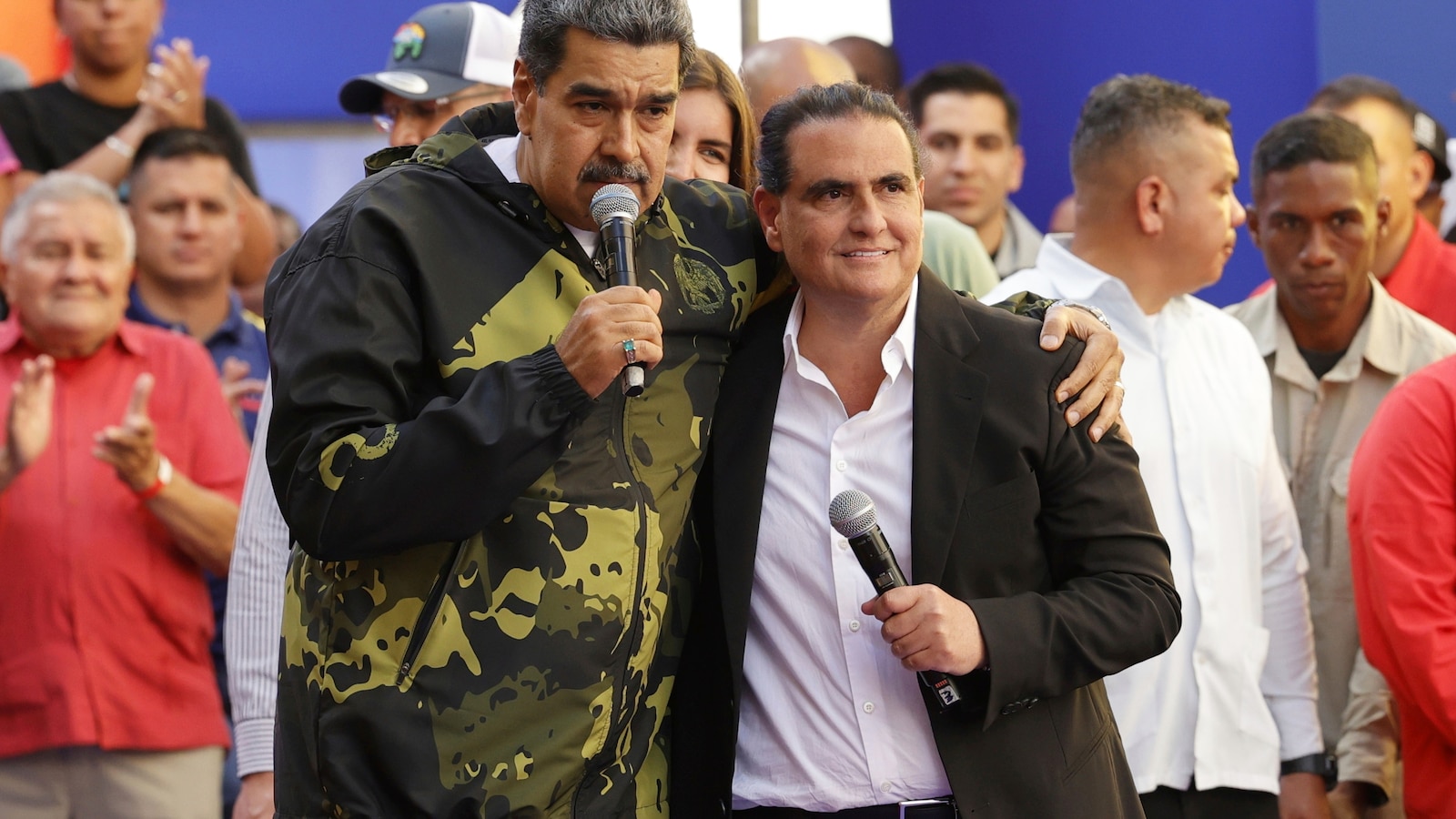
Nicolás Maduro and his wife, Cilia Flores, have asked a Manhattan federal judge to dismiss their drug trafficking indictment on the grounds that an American court has no authority to try a sitting foreign head of state.
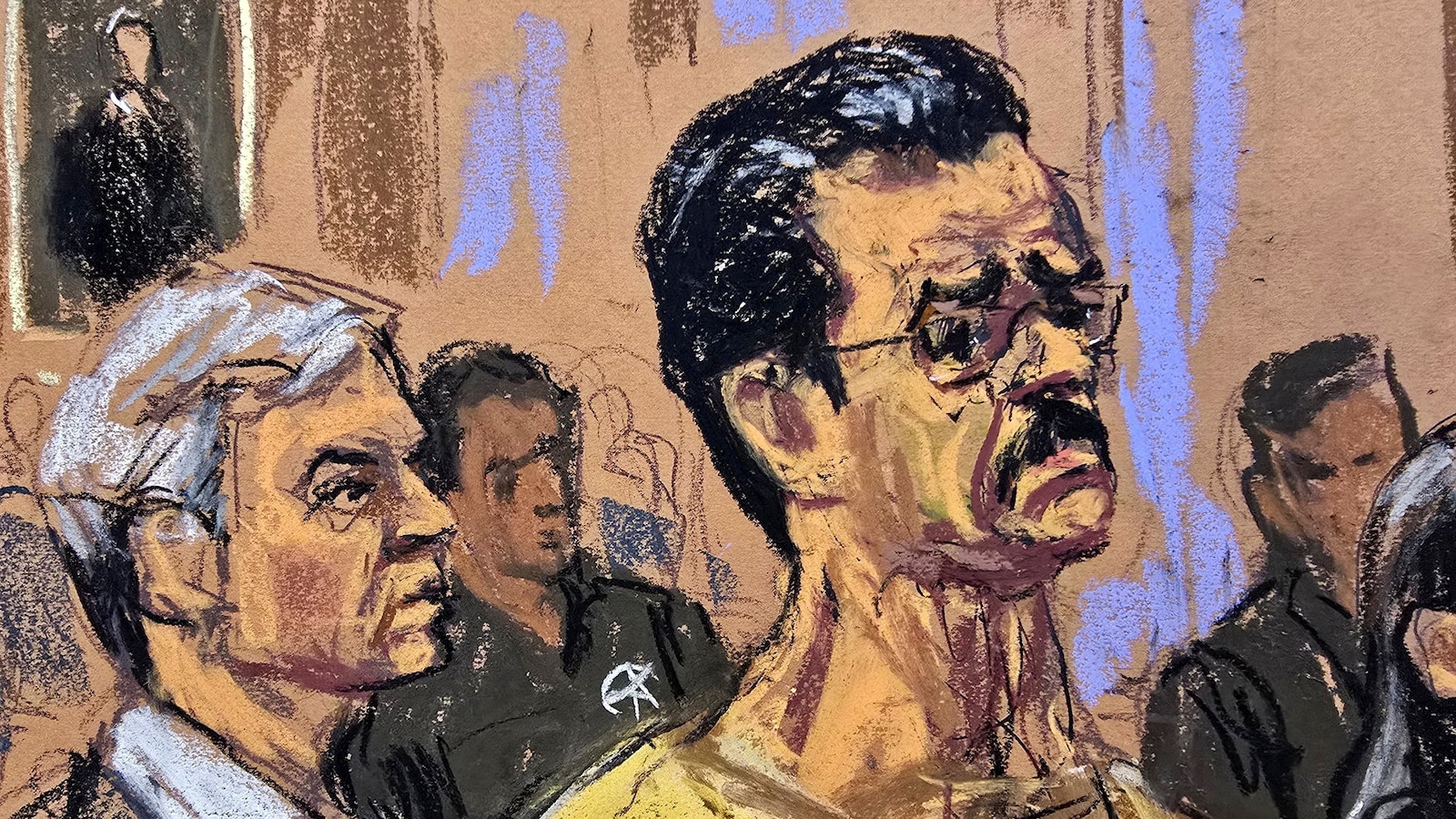
The motions were filed in the court of Judge Alvin K. Hellerstein, who is scheduled to take oral arguments on the dismissal requests on November 17 and to begin the trial on June 1. Maduro's lawyers made the historical argument explicitly. "No American court has ever presided over the criminal trial of a foreign leader who was recognized by their own country as the sitting head of state at the time the charges were brought," they wrote.
Flores's legal team filed separately and framed her immunity as something that does not belong to her at all. Her immunity, they argued, "is an attribute of Venezuela's sovereignty, and only Venezuela may surrender it" — a claim that puts the question of who currently speaks for the Venezuelan state at the center of a narcotics case.
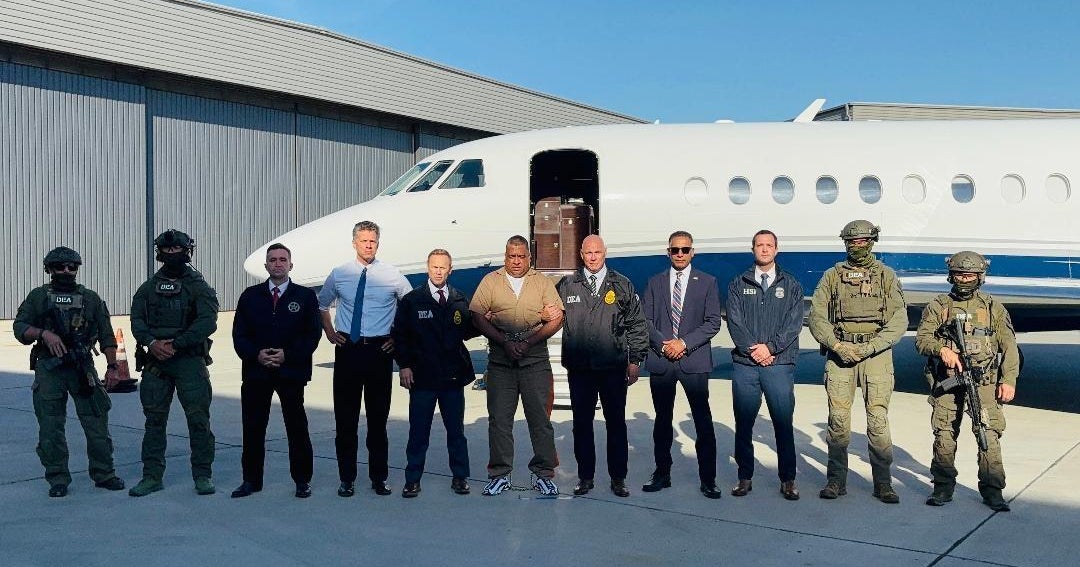
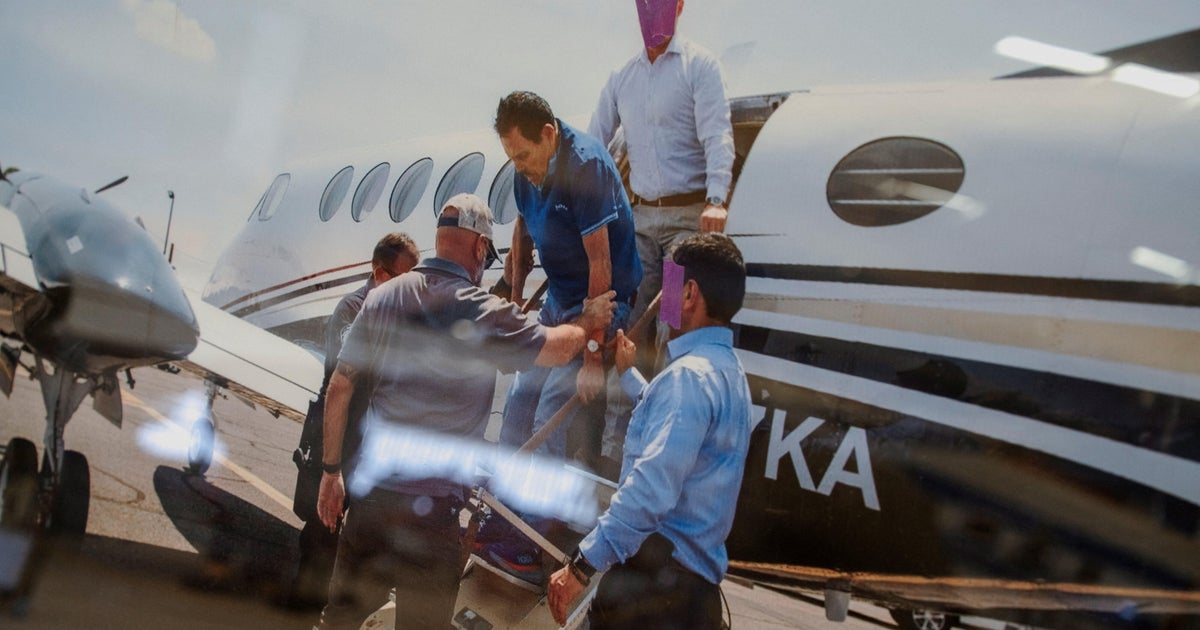
Maduro, 63, and Flores, 69, were taken from their home in Caracas by U.S. forces in a January raid and flown to New York. The Trump administration described the operation as "surgical law enforcement." Maduro has rejected that characterization and called himself a prisoner of war, a label that carries its own legal implications and that his defense has not abandoned.
Federal prosecutors allege that Maduro conspired to move thousands of tons of cocaine into the United States, working through Venezuelan law enforcement to protect and assist drug kingpins rather than pursue them. Both defendants have pleaded not guilty. Both face potential life sentences if convicted. A response from prosecutors to the immunity motions is expected later this month.
The immunity question is unusually clean as a legal matter and unusually messy as a political one. Head-of-state immunity in U.S. courts has historically turned on whether the executive branch recognizes the person as a head of state, which means the same administration that ordered the raid is the party whose recognition decision would determine whether the defense works. That circularity is precisely what Maduro's lawyers are pointing at.
Hellerstein's November ruling will not decide guilt. It will decide whether an American criminal court is the right venue at all, and the answer will set a precedent that outlives this defendant. Until then, the June 1 trial date stands.
The calendar Hellerstein has set gives both sides a long runway. Prosecutors respond to the immunity motions later this month, oral arguments follow on November 17, and if the case survives that hearing the trial opens on June 1 — roughly seventeen months after the raid in Caracas. For a defendant who has spent that entire period in American custody arguing that American custody is itself unlawful, each of those dates is a separate opportunity to make the same argument again.