The U.S. and Ecuador Boarded a Floating Gas Station for Drug Boats, Took Everyone Off, Then Sank It From the Air
Marines from the USS San Antonio cleared the vessel without a shot fired before an airstrike destroyed it. At least 227 people have now been killed in 68 boat strikes since the campaign began.
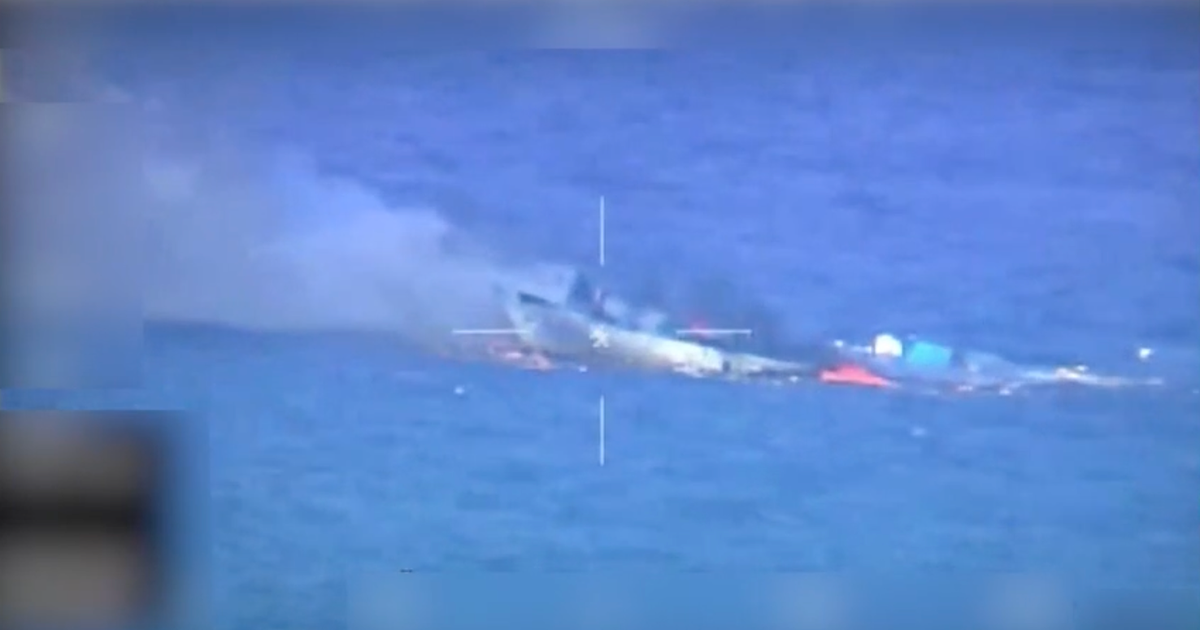
The U.S. military, working alongside Ecuadorian officials, boarded and destroyed a vessel in the eastern Pacific this week that American commanders describe as a floating refueling station for drug-running boats, a target type that had not previously been struck in the year-long campaign against maritime trafficking.
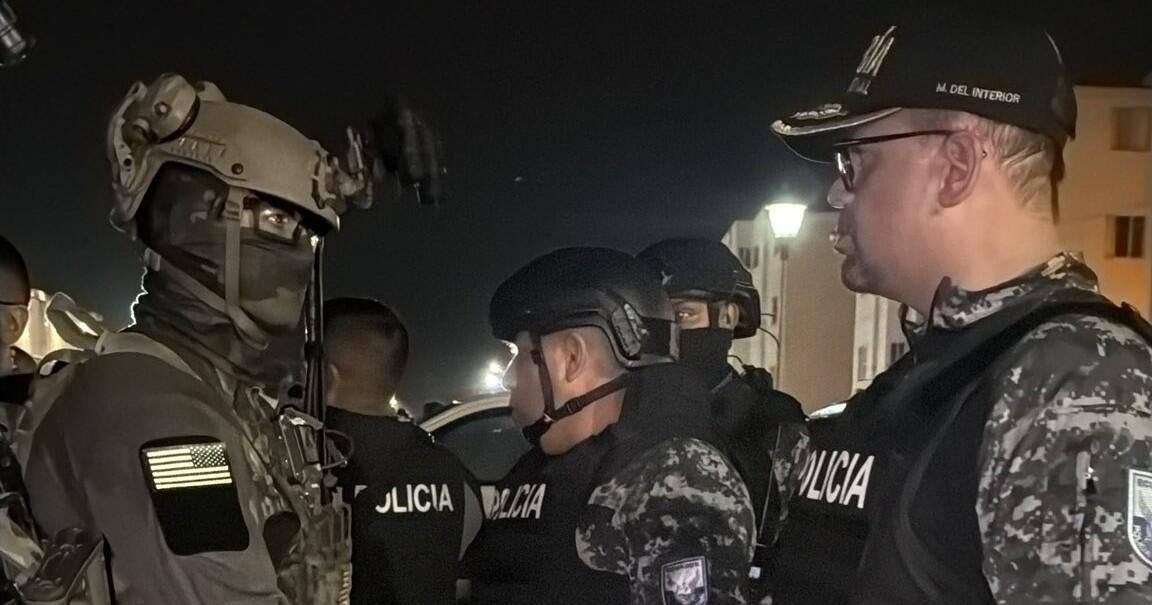
Marines and sailors from the USS San Antonio, an amphibious transport dock, cleared the ship in international waters off Ecuador without incident, according to the military. The people aboard were removed and transported to Ecuador rather than killed. Only after the vessel was empty did the United States sink it with an airstrike.
That sequence is a departure. Most of the operations in this campaign have been strikes on moving go-fast boats, carried out without boarding and without survivors. Since the administration began targeting what it calls narcoterrorists at sea nearly a year ago, at least 227 people have been killed across 68 strikes in the eastern Pacific and the Caribbean. The most recent came Tuesday in the Caribbean, killing four, and another in the Pacific on Sunday killed two.
Gen. Francis L. Donovan, the commander of U.S. Special Operations Command, framed the operation as proof that the coalition can go after infrastructure rather than just cargo. "Today's operation is a stark example of the Americas Counter Cartel Coalition's power to dismantle the sophisticated, clandestine narco-terrorist tactics," Donovan said. A refueling ship parked in open water extends the range of small vessels that would otherwise have to hug the coast, and taking one out is meant to reach further up the supply chain than sinking any individual load.
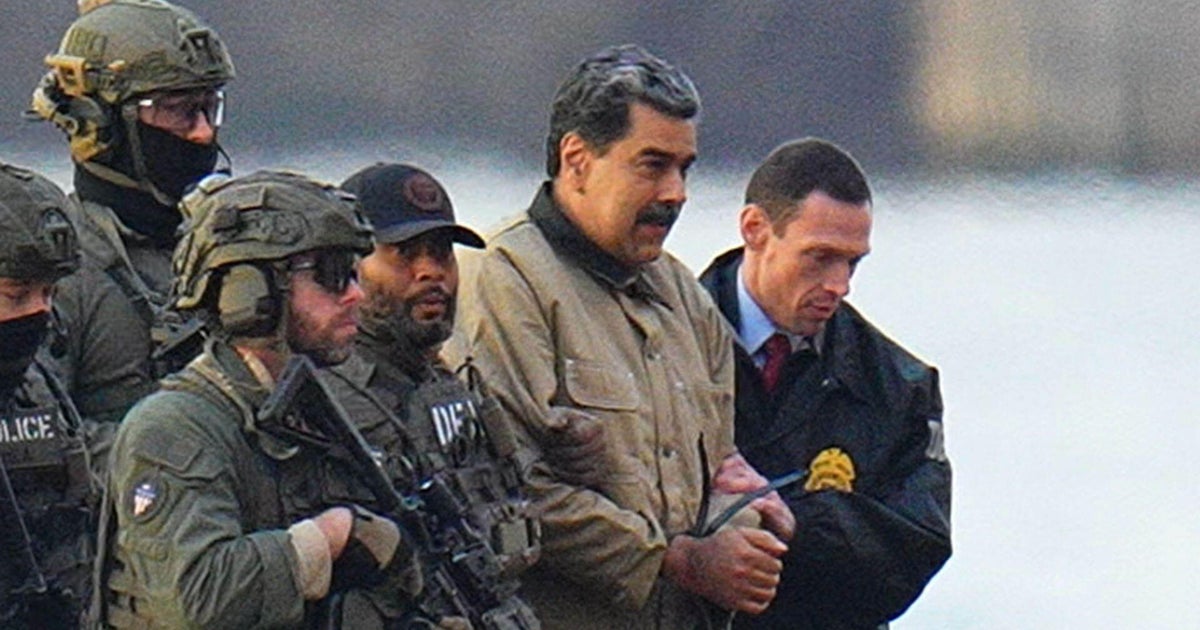
The military attributed the vessel to Los Choneros, the Ecuadorian criminal organization that has driven much of the violence that turned the country from one of Latin America's calmer nations into one of its deadliest. The group was run by Jose Adolfo Macias Villamar, known as Fito, who walked out of a Guayaquil prison in 2024 while serving a 34-year sentence and set off a wave of attacks across Quito and other cities. The U.S. Justice Department indicted him in April 2025. Ecuadorian forces recaptured him two months later, and he was extradited to the United States in July 2025. He has pleaded not guilty to cocaine importation charges and is awaiting trial.
The strikes remain legally contested. Members of Congress in both parties have pressed the Pentagon for the legal justification for lethal force against civilian vessels outside a declared armed conflict, and for the intelligence standard used to determine that a given boat is carrying drugs before it is destroyed. The administration has maintained that the traffickers are unlawful combatants and that the strikes fall within the president's authority.
Wednesday's operation, in which no one aboard was killed, is likely to be cited by both sides of that argument.