Haiti Put 18 Suspects in the 2021 Assassination of President Jovenel Moïse on a Plane to Florida on Sunday. Thirty People Have Now Been Indicted in Miami, Four Were Convicted in May, at Least Five Are Serving Life, and the U.S. Attorney Says 'We Are Not Finished.'
The transfer ends a five-year judicial stall in Port-au-Prince. Those still held in Haiti include more than a dozen former Colombian soldiers and a former government official. The former first lady, who was wounded in the attack, has accused ex-President Michel Martelly and ex-Prime Minister Ariel Henry of ties to the killing.
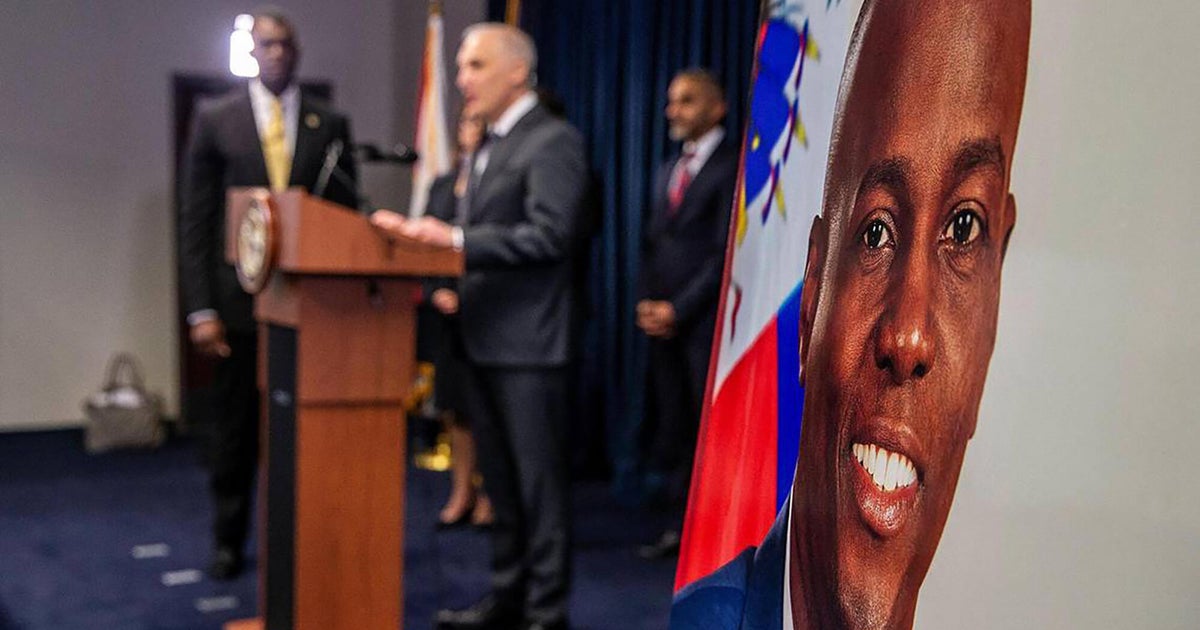
Eighteen people arrested in the July 2021 assassination of Haitian President Jovenel Moïse were being extradited to the United States on Sunday to stand trial in Florida, according to Reding Quiñones, the U.S. attorney for the Southern District of Florida. The transfer marks the end of a judicial process in Haiti that dragged on for more than five years without a single trial, in a country that has since lost most of its capital to armed gangs.
"Today marks the next major phase in our pursuit of accountability for the assassination of President Jovenel Moïse," Quiñones wrote on X. "We will follow the evidence wherever it leads, to those who financed it, facilitated it, supported it or committed crimes to make it possible. Five years later, we are still bringing defendants before American courts, and we are not finished."
Quiñones did not name the 18. The suspects who had remained in Haitian custody include more than a dozen former Colombian soldiers, who prosecutors say were recruited as the strike team, and a former Haitian government official. He said 30 people in total have now been indicted in the killing. FBI Special Agent in Charge Brett Skiles said there were multiple arrests in the United States and abroad on Sunday as well, and that the bureau "remain[s] steadfast in ensuring that all individuals who allegedly sought profit from the assassination of a head of state are held fully accountable."
Moïse was shot dead in his bedroom at his home in Pétion-Ville, above Port-au-Prince, in the early hours of July 7, 2021. His wife, Martine Moïse, was wounded in the attack and survived. She testified in Miami federal court in March, giving emotional and at times graphic testimony about the gunmen moving through the couple's home. She has also directly accused former President Michel Martelly and former Prime Minister Ariel Henry, who took power after the killing, of having connections to it. A Haitian judge in 2024 indicted Martine Moïse herself on charges of complicity and criminal association, charges her attorney called "ridiculous and unjust."
The American prosecution has moved at a pace the Haitian one never did. In May, a Miami jury convicted four men prosecutors described as among the plot's masterminds: Arcángel Pretel Ortiz, Antonio Intriago, Walter Veintemilla and James Solages. All four had pleaded not guilty. The jury found them guilty of conspiring to kill or kidnap Haiti's elected leader and of providing material support for the plot. At least five other defendants have pleaded guilty and are serving life sentences.
The case has a U.S. hook because prosecutors say much of the planning ran through South Florida, where a Miami-area security firm and financiers allegedly organized the operation, which some participants have said began as a plan to arrest Moïse and replace him rather than kill him. The federal indictment charges conspiracy to commit murder or kidnapping outside the United States and providing material support resulting in death.
For Haiti, the extradition is both an admission and a relief. The country's courts were never able to try the case, with judges resigning or fleeing under threat, and the men now heading to Florida have sat in Haitian jails for more than five years without a verdict. The Moïse killing set off the collapse of state authority that gangs filled, and the question of who ordered it, and who paid, has never been answered in a courtroom. Quiñones's statement suggests the Florida prosecutors intend to keep climbing the chain.
Originally reported by CBS News.