Black Holes May Reveal Dark Matter Secrets Through Gravitational Wave Fingerprints
MIT physicists develop new method to detect dark matter interactions hidden within cosmic collisions, with one LIGO signal showing potential evidence.
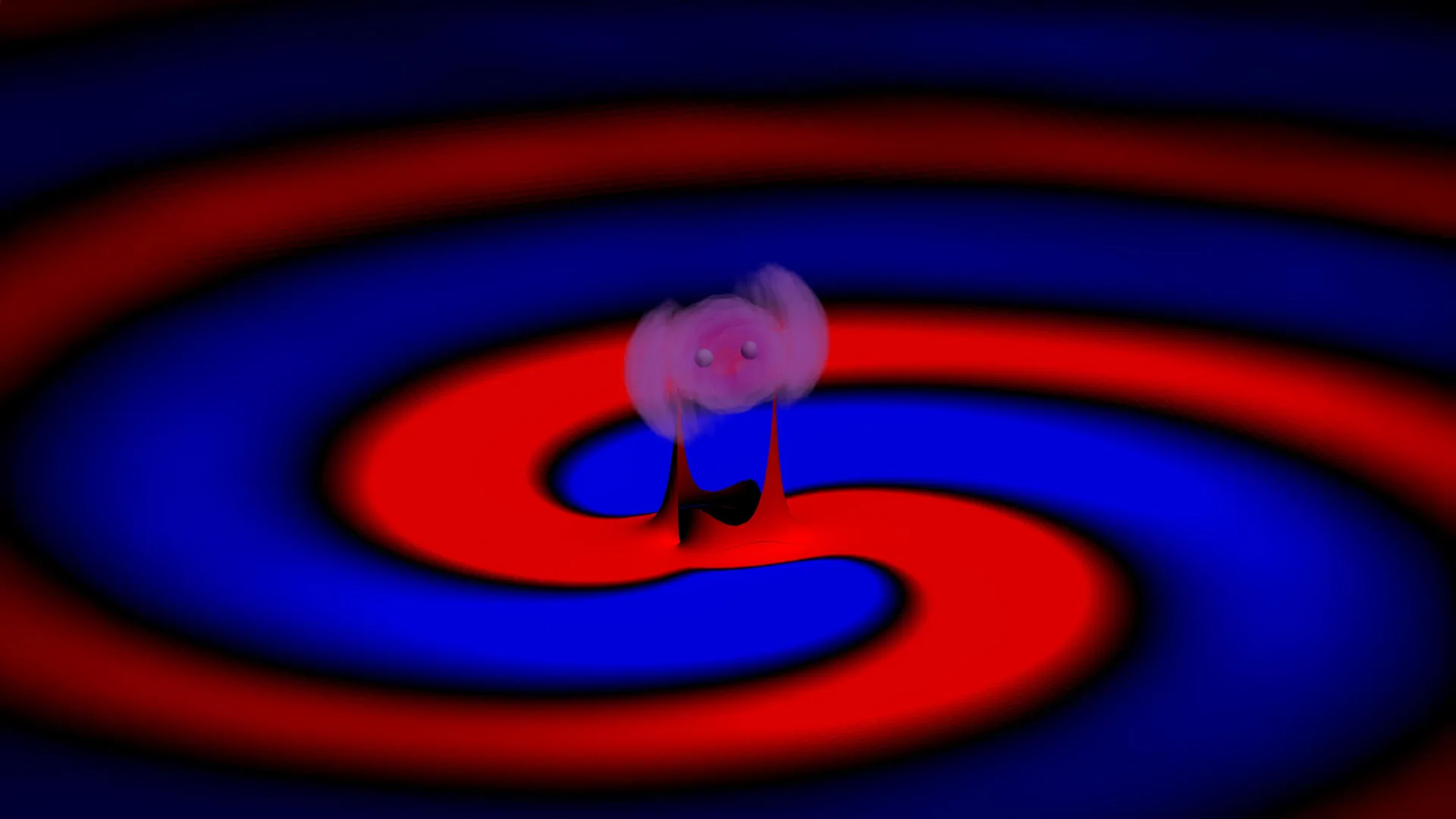
Physicists at MIT and several European institutions have developed a groundbreaking method to search for dark matter using gravitational waves—the ripples in spacetime created when massive objects like black holes spiral together and merge. The technique could finally provide direct evidence of the mysterious substance that makes up most of the matter in the universe but has never been directly observed through electromagnetic interactions.
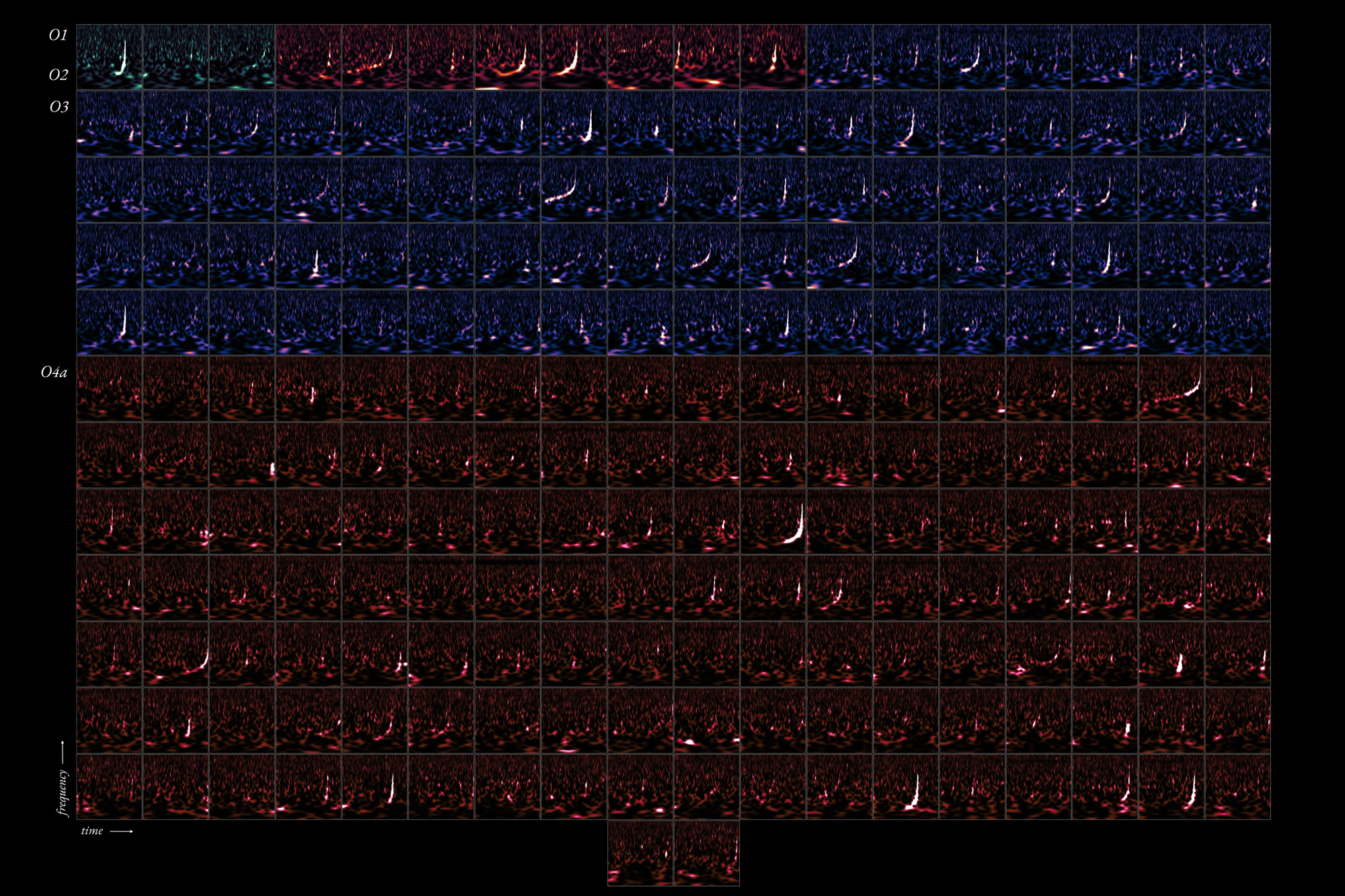
The research team analyzed gravitational wave data from the LIGO-Virgo-KAGRA observatory network, focusing on 28 of the clearest black hole merger events detected during the first three observing runs. Their analysis revealed that 27 of these events matched theoretical predictions for black holes merging in empty space. However, one signal designated GW190728 showed an unusual pattern that may contain evidence of interaction with dark matter during the collision process.
"We know that dark matter is around us. It just has to be dense enough for us to see its effects," explains Josu Aurrekoetxea, a postdoc in MIT's Department of Physics and co-author of the study published in Physical Review Letters. "Black holes provide a mechanism to enhance this density, which we can now search for by analyzing the gravitational waves emitted when they merge." The technique leverages the fact that black holes can accumulate dark matter around them, creating density concentrations that might leave detectable signatures in gravitational wave signals.
The method works by looking for subtle distortions in gravitational wave patterns that would occur if merging black holes had traveled through dense clouds of dark matter before their collision. While dark matter doesn't interact with light or electromagnetic forces, its gravitational effects could influence the dynamics of black hole mergers in ways that would be preserved in the resulting gravitational waves. The researchers stress that their finding does not constitute a confirmed detection of dark matter, but rather demonstrates a new technique for searching cosmic events for such evidence.
Dark matter remains one of physics' greatest mysteries, with current estimates suggesting it comprises more than 85 percent of all matter in the universe. Scientists infer its existence through gravitational effects on galaxies and observations of gravitational lensing, where light bends around massive galaxy clusters. The new gravitational wave approach offers a completely different method for studying dark matter that could complement existing detection efforts and provide insights into the fundamental nature of this elusive substance. The research team plans to apply their analysis method to future gravitational wave detections as observatory sensitivity continues to improve.