Rubio Tells Athens Crowd the West Lost Its Drive and America Has Chosen 'National Power'
In a sunset speech at the Pnyx, the secretary of state tied ancient Greece to Trump's agenda while the war with Iran enters its eighth month without a deal.
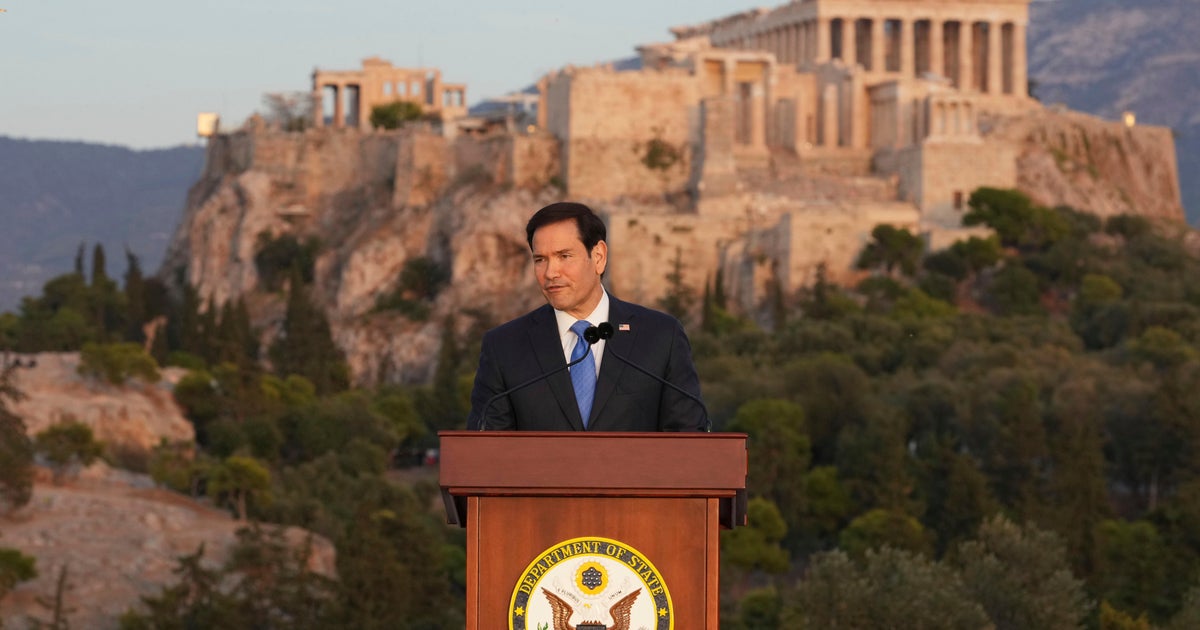
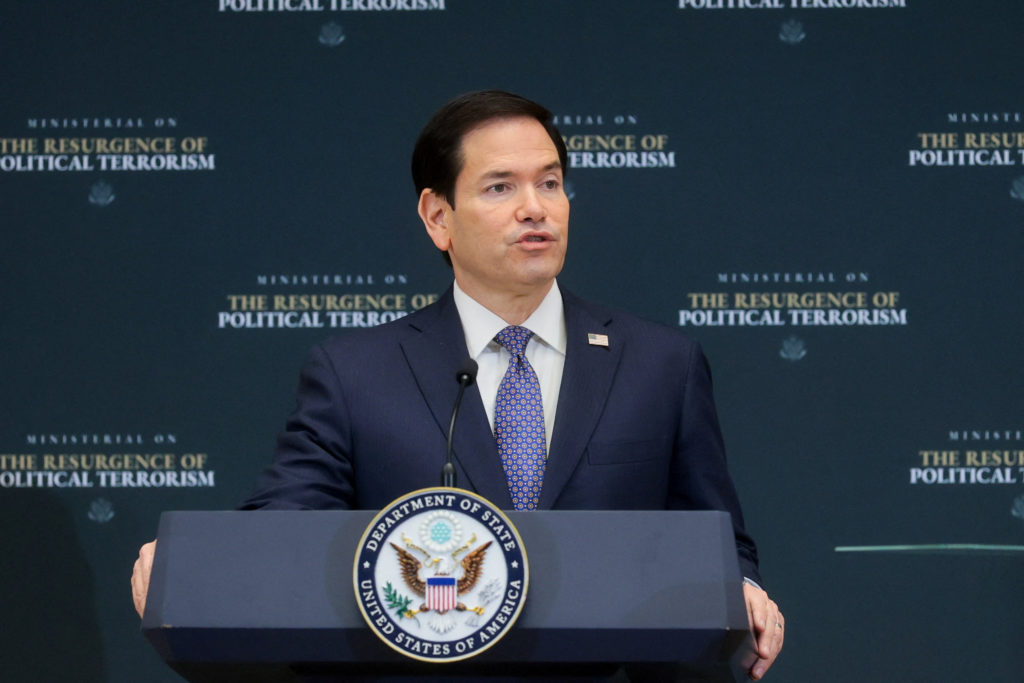
Secretary of State Marco Rubio used a speech in Athens on Wednesday to argue that Western societies have lost the drive that built them, and that the United States has chosen "the unapologetic pursuit of national power." He spoke at sunset at the Pnyx, the hill where ancient Athenians held their democratic assemblies, to about 250 invited guests, according to a senior State Department official.
Rubio described ancient Athens as the origin of what he called the West's defining traits, including "fierce individuality and relentless ambition." He said modern societies allowed those qualities to weaken, pursuing safety so strongly that they lost tolerance for risk and failure. The West is at a crossroads, he said, and "the course we take will determine" its future.
He tied that argument to the Trump administration's agenda of rebuilding supply chains, reindustrializing the economy, strengthening defense and competing in future technologies. The speech traced a line from Greece through Rome, European Christianity and the United States, citing Alexander the Great, Julius Caesar, Charlemagne and Christopher Columbus. CBS noted the account was selective, because Rubio said little about democracy or political equality at a site closely linked to both.
Rubio also invoked the Spartans at Thermopylae and Achilles at Troy, then contrasted Western ideas of sacrifice with what he called a "cult of death" among Iran's "radical mullahs." The address came with the United States seven months into its war with Iran and without an agreement to end it. The war has pushed oil and gasoline prices higher, a cost that weighs on the administration ahead of the midterm elections.
Asked about Iran, Rubio declined to say what level of uranium enrichment Washington would accept. Vice President JD Vance had recently said Iran would need to make a "meaningful" cut, prompting questions about whether the administration was softening its demand for zero enrichment. Rubio said only that "Iran cannot have a nuclear weapon."
The speech extended themes from his February remarks at the Munich Security Conference, where he warned that Europe faced "civilizational erasure." His more conciliatory tone there relieved European officials, who had been rattled a year earlier when Vance rebuked the continent's leaders from the same stage.
Rubio's three-country trip began in Iceland, where he left open a possible increase in the U.S. military presence amid Arctic security concerns. In Athens he held the sixth U.S.-Greece Strategic Dialogue with Foreign Minister George Gerapetritis, covering defense, energy and regional security. Rubio called Greece a "strong and model NATO ally." Gerapetritis said Greece could offer maritime help in the Strait of Hormuz if a workable peace process emerged. The trip ends in Portugal on Thursday.
Rubio deflected a question about U.S. Ambassador Kimberly Guilfoyle, who faces congressional scrutiny over allegations that she used her post to benefit private business interests in Greece, calling the embassy's work "a great job." Guilfoyle has denied wrongdoing. Rubio did not mention his own political ambitions, though Trump has floated him and Vance as possible future leaders of the movement. He cited instead the Greenland agreement he helped broker last month, which he said would "reshape the Arctic" and strengthen NATO.