Gravitational Waves May Carry First Fingerprints of Dark Matter from Colliding Black Holes
MIT physicists detect potential dark matter signature in LIGO data, offering new way to study the universe's most mysterious substance.
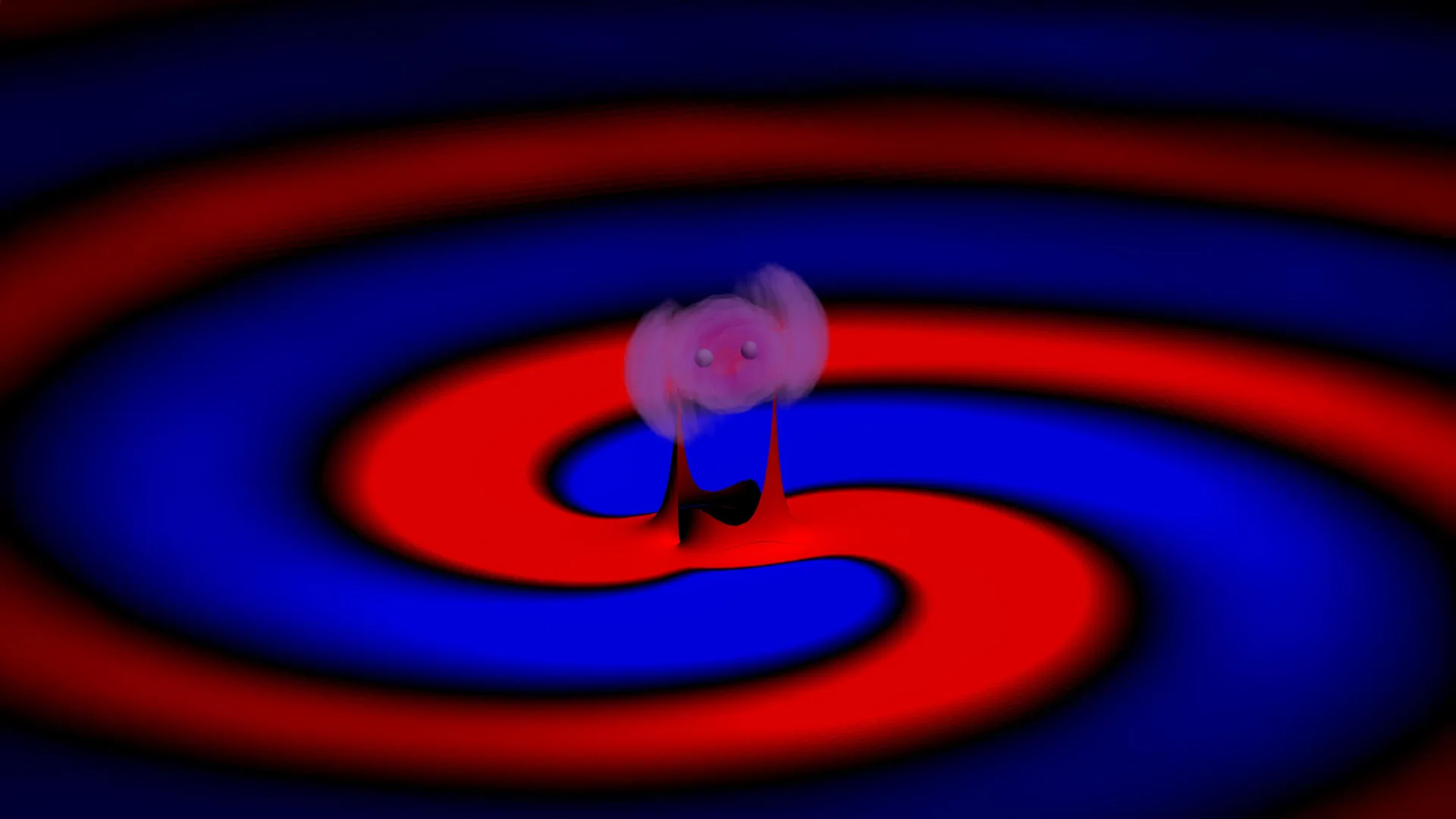
Physicists at MIT and European institutions have developed a groundbreaking method to search for dark matter using gravitational waves from colliding black holes, with early results suggesting one detected signal may already contain evidence of the elusive substance that makes up most of the universe's matter.
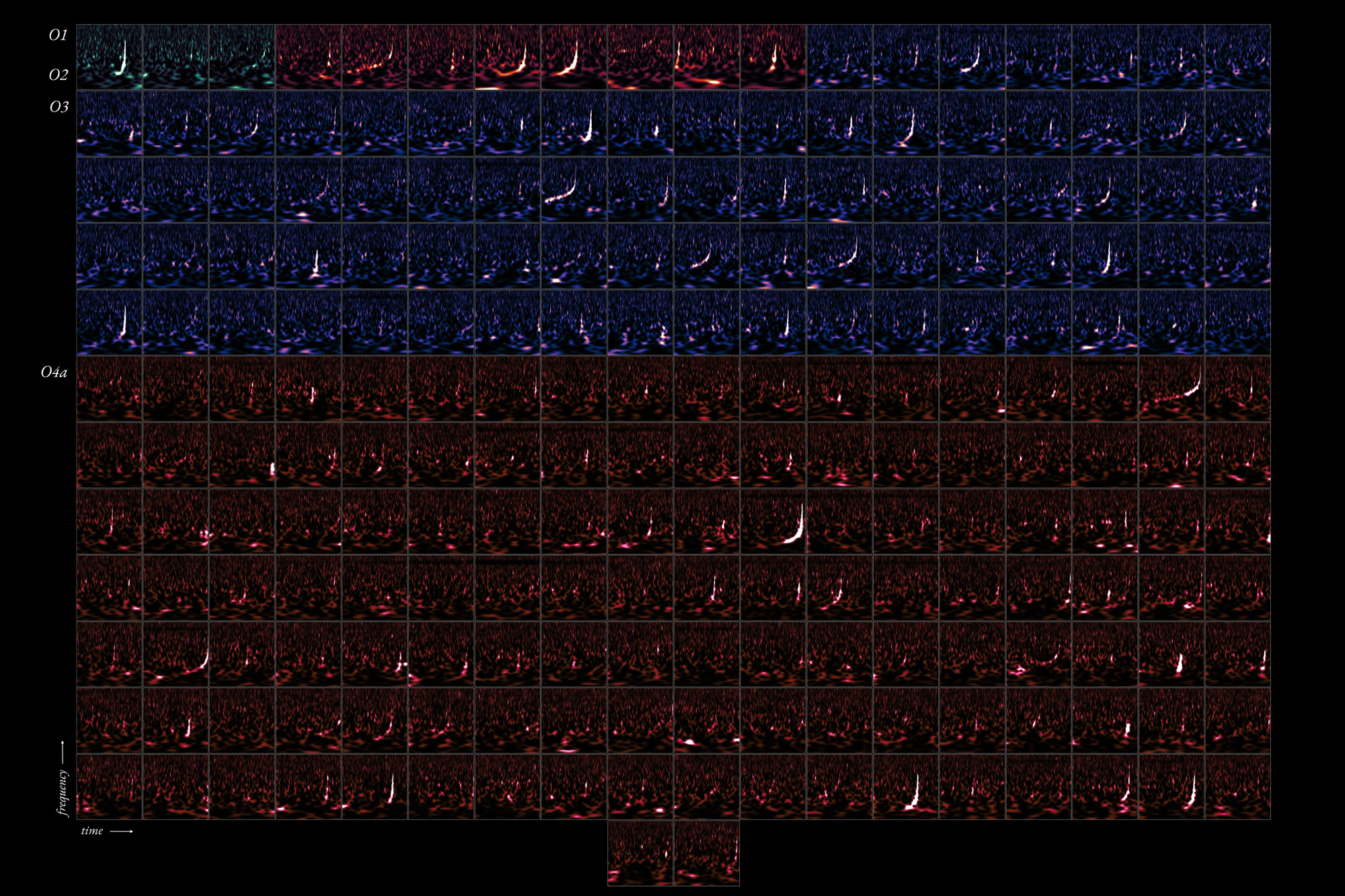
The research team analyzed 28 of the clearest gravitational wave events detected by the LIGO-Virgo-KAGRA observatory network during its first three observing runs. While 27 signals matched expectations for black holes merging in empty space, one event designated GW190728 showed patterns that could indicate an interaction with dense clouds of dark matter.
"We know that dark matter is around us. It just has to be dense enough for us to see its effects," says Josu Aurrekoetxea, a postdoc in MIT's Department of Physics and lead author of the study published in Physical Review Letters. "Black holes provide a mechanism to enhance this density, which we can now search for by analyzing the gravitational waves emitted when they merge."
Dark matter remains one of physics' greatest mysteries, accounting for an estimated 85 percent of all matter in the universe yet remaining completely invisible to electromagnetic radiation. Scientists can only detect its presence through gravitational effects, such as the way it bends light around galaxies or influences the rotation of galactic structures.
The new technique represents a significant advance in dark matter detection methods. If black holes traveling through dense dark matter regions carry subtle traces of those interactions in their gravitational wave signatures, researchers could potentially map dark matter distributions throughout the cosmos and better understand its fundamental properties. The team emphasizes that while promising, the GW190728 signal requires additional investigation before confirming any dark matter detection.