Gravitational Waves May Carry First Dark Matter Fingerprints From Black Hole Collisions
MIT physicists have developed a new method to search for dark matter signatures in ripples from merging black holes, with one LIGO signal showing promising results.
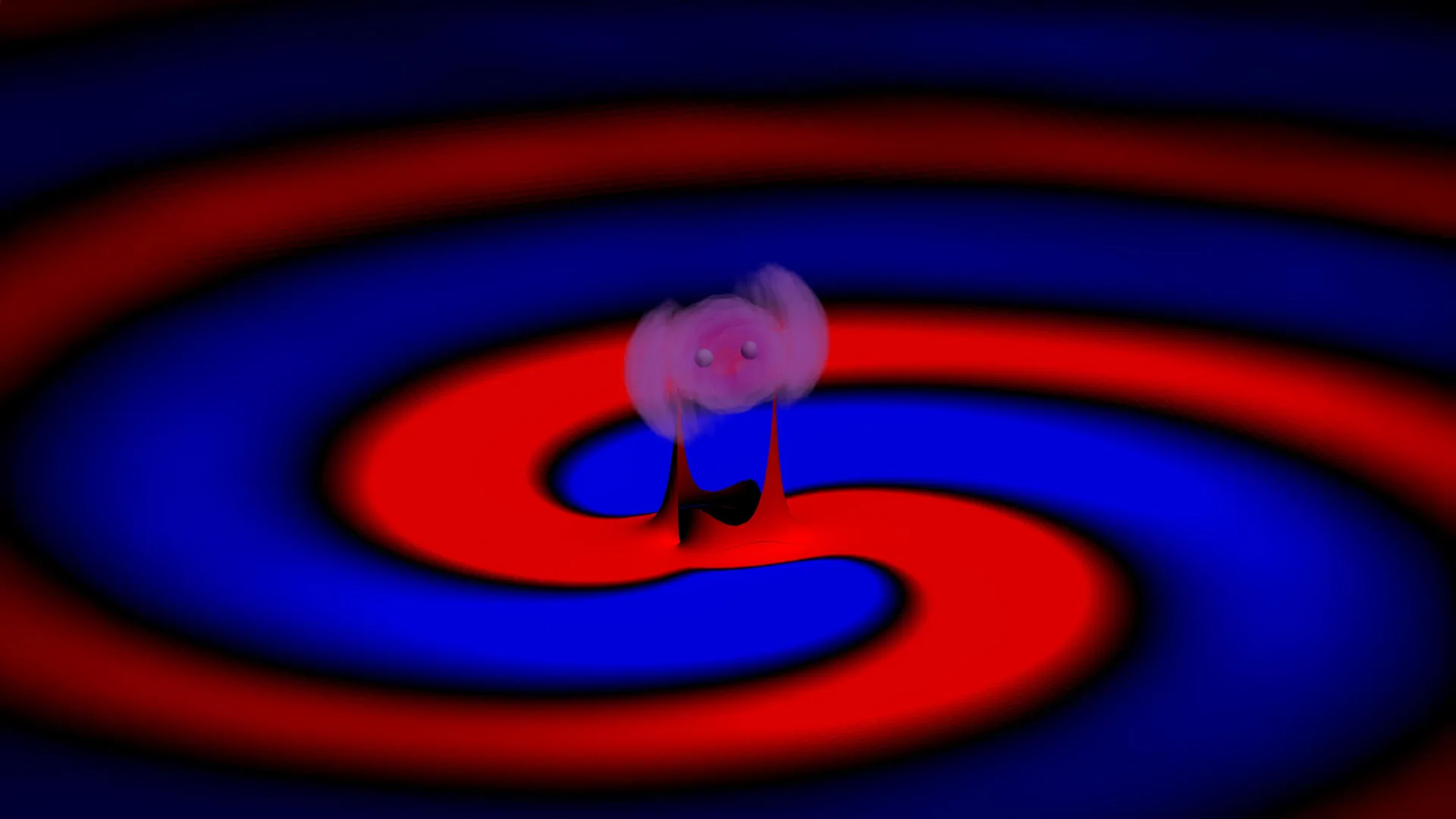
Dark matter makes up most of the matter in the universe, yet scientists still cannot observe it directly. Now, researchers at MIT and several European institutions believe they may have found a new way to search for clues about this invisible substance hidden within gravitational waves—the ripples in spacetime created when massive objects like black holes spiral together and merge.
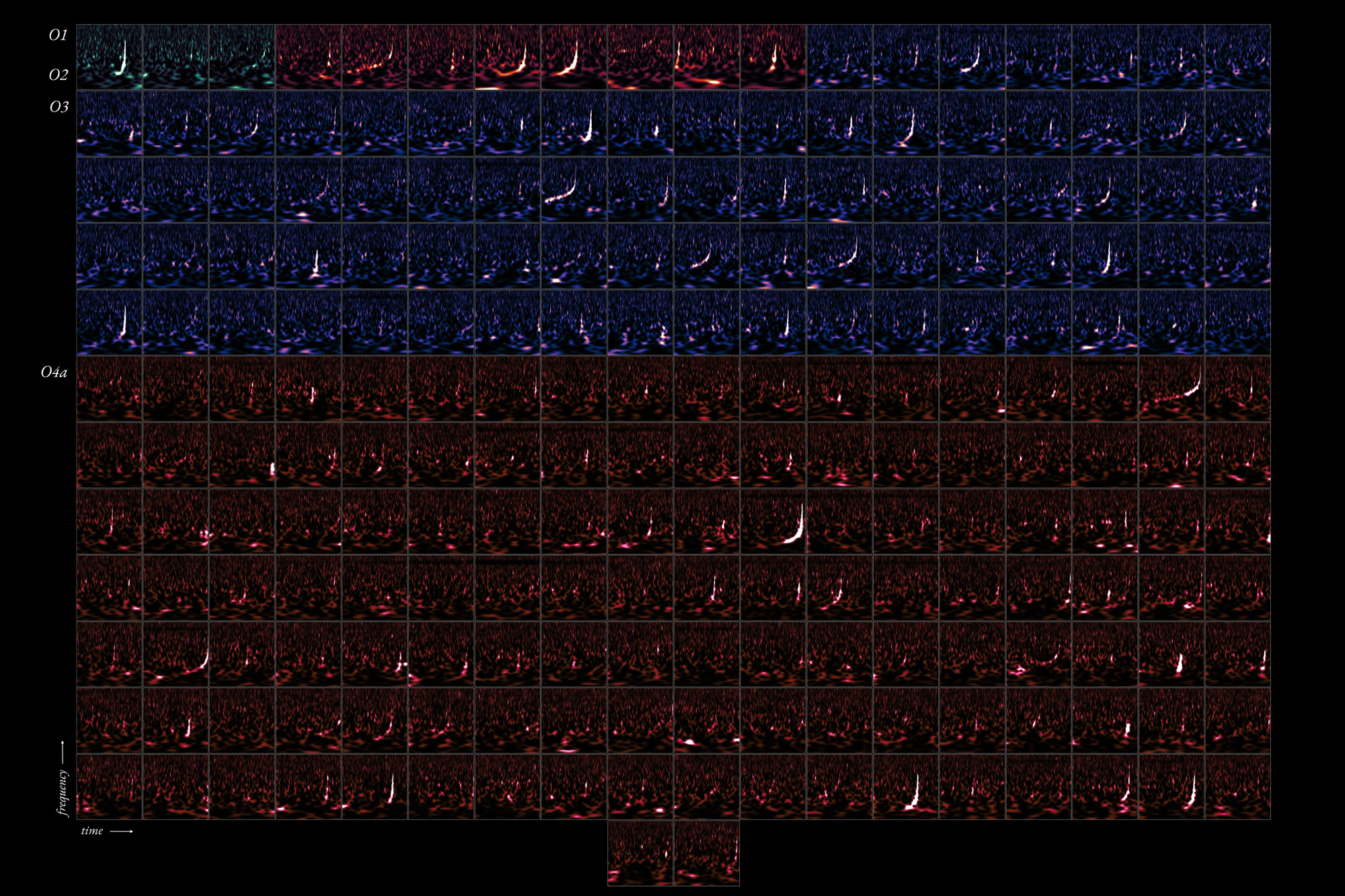
The research team developed a method to identify possible signs of dark matter interactions embedded in gravitational wave signals. If black holes travel through dense clouds of dark matter before colliding, the resulting gravitational waves could carry subtle traces of that encounter. The scientists tested their approach using publicly available data from the LIGO-Virgo-KAGRA network, which monitors black hole mergers across the cosmos.
When the researchers analyzed 28 of the clearest gravitational wave events detected during the network's first three observing runs, they found something intriguing. While 27 signals matched what scientists would expect from black holes merging in empty space, one event called GW190728 appeared different. According to their analysis, this particular gravitational wave may contain evidence of an interaction with dark matter.
"We know that dark matter is around us. It just has to be dense enough for us to see its effects," explains Josu Aurrekoetxea, a postdoc in MIT's Department of Physics. "Black holes provide a mechanism to enhance this density, which we can now search for by analyzing the gravitational waves emitted when they merge."
The team emphasizes that this does not constitute a confirmed discovery of dark matter. Instead, the new technique provides a systematic way to scan gravitational wave data for promising signals that could be investigated further. Current estimates suggest dark matter could account for more than 85 percent of the matter in the universe, yet researchers still do not know what dark matter actually consists of, making any potential detection method valuable for future investigations.