Record-Breaking Gravitational Wave GW250114 Confirms Hawking's 1971 Black Hole Theorem
The clearest black hole merger ever recorded — with a signal-to-noise ratio nearly three times higher than LIGO's first detection — verified multiple tones predicted by Einstein's general relativity.

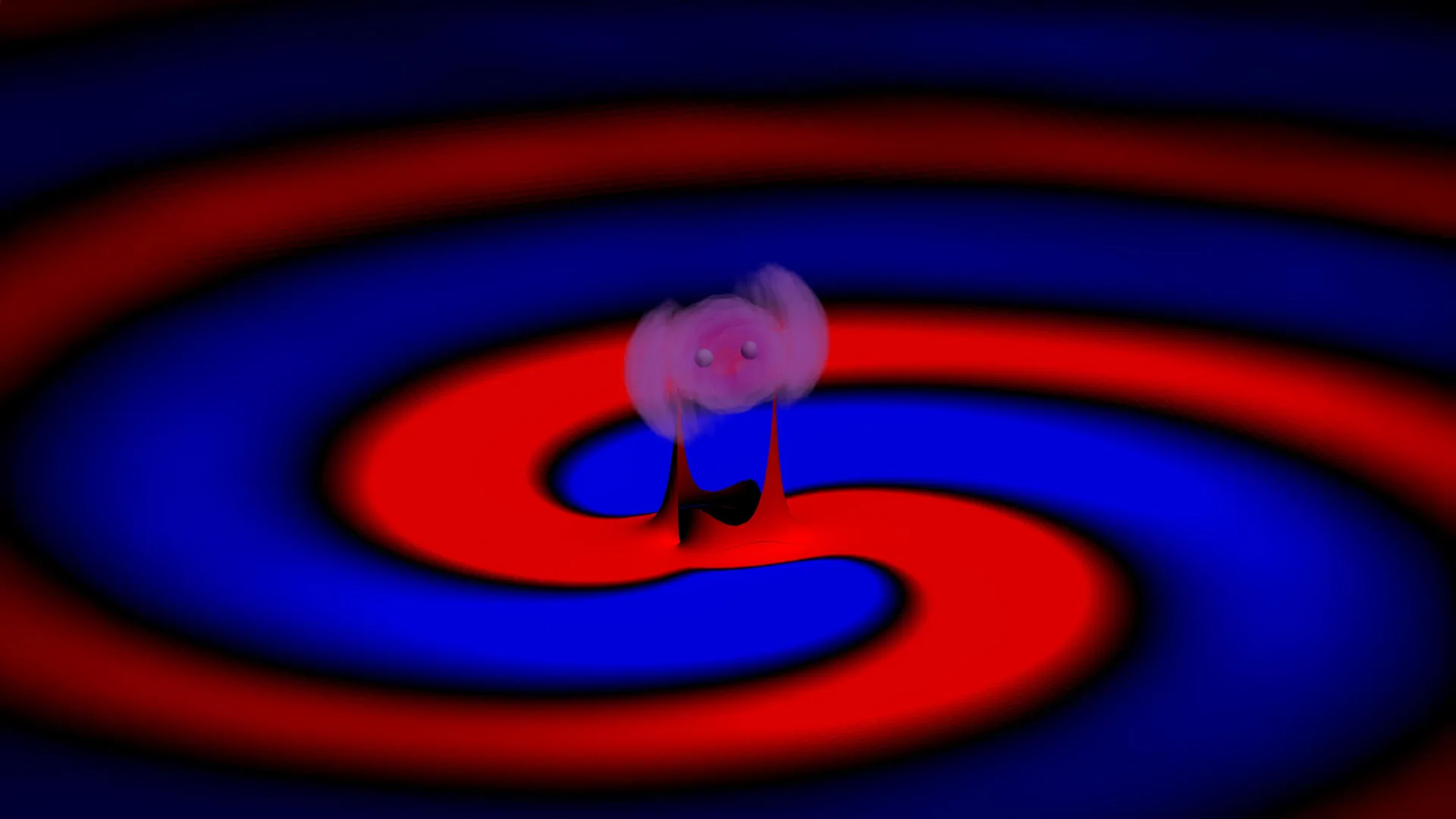
A gravitational wave signal detected by the LIGO, Virgo, and KAGRA observatories on January 14, 2025 has yielded what physicists are calling the most stringent test of Einstein's general theory of relativity ever performed, confirming predictions about colliding black holes with a precision that was unimaginable a decade ago. The signal, designated GW250114, arrived from the merger of two black holes — one of 33.6 solar masses and the other of 32.2 solar masses — that collided and fused into a single object of roughly 62.7 solar masses, with the remaining energy radiated away as spacetime ripples traveling at the speed of light. The research was published in Physical Review Letters in January 2026 and has since become the benchmark for what gravitational wave astronomy can achieve.
What made GW250114 exceptional was its clarity. The signal registered a signal-to-noise ratio of approximately 77 to 80 — nearly three times cleaner than the historic first gravitational wave detection, GW150914, which had an SNR of 26. That extraordinary sharpness allowed researchers to decompose the signal into multiple distinct frequency components, or "tones," in the same way a musical chord can be broken into its individual notes. Each tone matched a different prediction from general relativity about how a newly formed, spinning black hole — described by the Kerr solution to Einstein's field equations — should ring down after a violent merger. Physicist Keefe Mitman explained that detecting multiple tones provides "multiple, independent checks" of black hole properties, and that any disagreement between them would signal physics beyond general relativity.
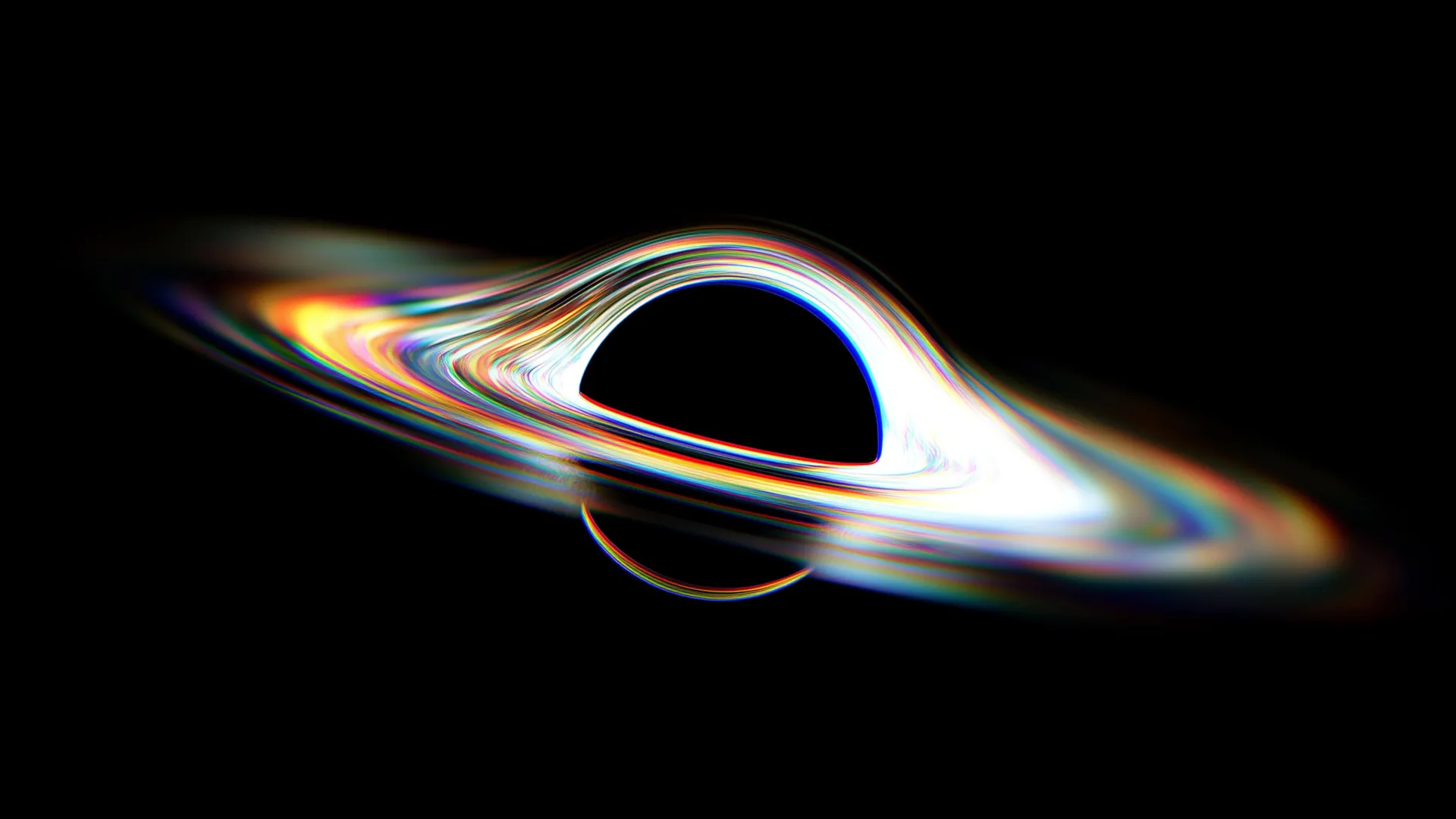
All of the tones agreed. The analysis confirmed, with greater precision than any previous observation, that the remnant black hole behaves exactly as the Kerr solution predicts — rotating, warping spacetime around it, and emitting gravitational radiation precisely on schedule as it settles into its final state. Researchers also used GW250114 to provide empirical confirmation of the area theorem proposed by Stephen Hawking in 1971, which holds that the total surface area of the event horizons of two black holes must be at least as large after a merger as the combined area of the two originals. The high SNR of GW250114 made it possible to measure the initial and final black hole areas with enough precision to confirm this bound directly from observational data — a feat that had been attempted but not conclusively achieved with earlier, noisier signals.
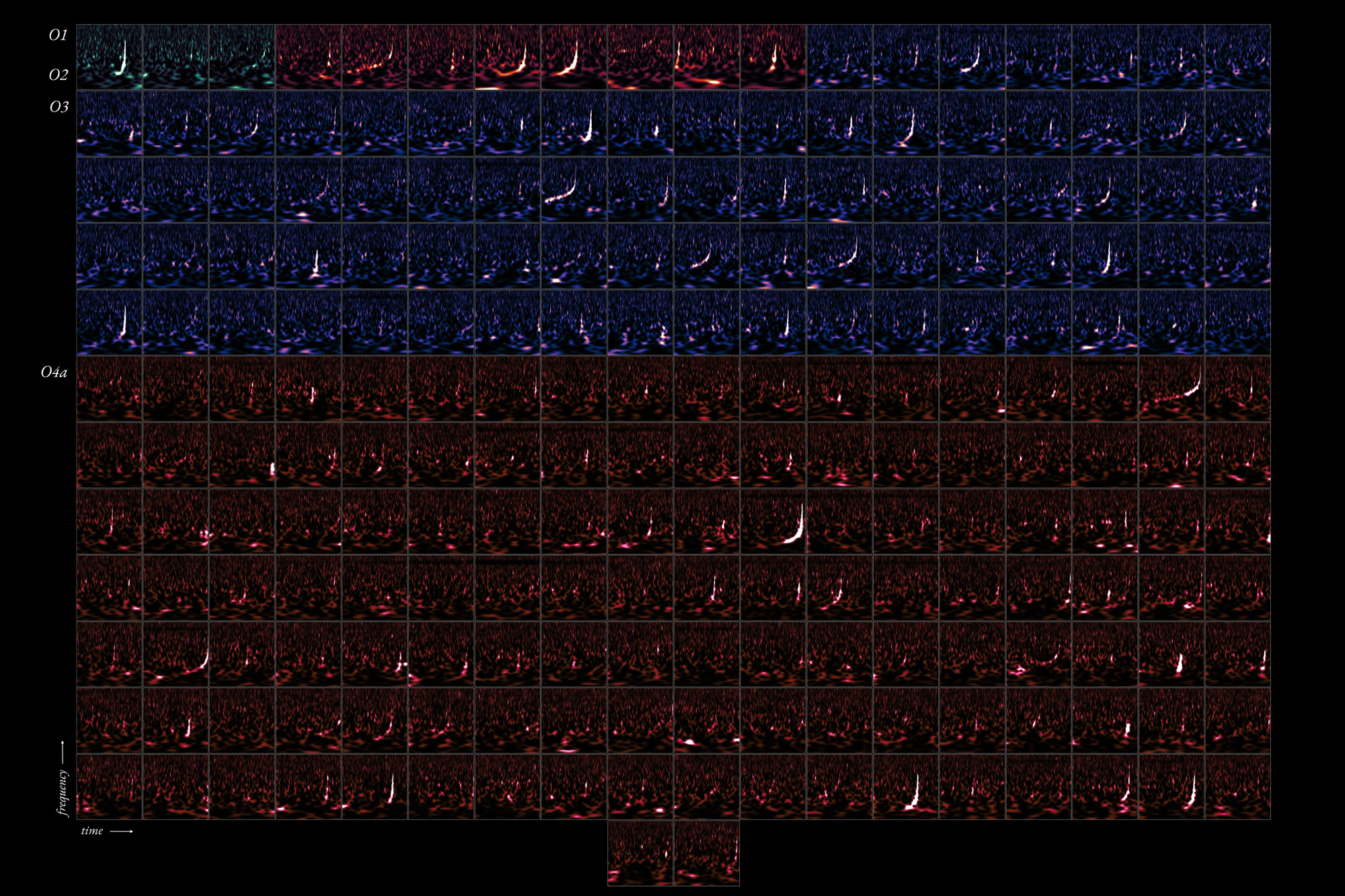
The detection coincided with the tenth anniversary of the first gravitational wave observation, prompting the scientific community to reflect on how dramatically the field has matured. LIGO recorded only a handful of events in its first observing run in 2015-2016; the current generation of detectors now catalogues dozens of mergers per year. The upgrade to LIGO's fourth observing run, which incorporated quantum squeezing of laser light to reduce measurement noise, is what made the extraordinary SNR of GW250114 achievable. LIGO Hanford, LIGO Livingston, Virgo in Italy, and KAGRA in Japan all contributed to the detection, allowing researchers to localize the source on the sky with greater precision than any previous event.
Researchers are already looking beyond general relativity for what future signals might reveal. While GW250114 confirmed Einstein's theory with remarkable rigor, theorists have proposed modifications to general relativity — motivated by dark matter, dark energy, and the incompatibility between general relativity and quantum mechanics — that could produce subtle deviations in the ring-down tones of merging black holes. As detectors grow more sensitive and the catalogue of events grows larger, the cumulative statistical power of gravitational wave astronomy may eventually be sufficient to detect those deviations, if they exist, opening a window onto physics that lies beyond our current understanding of the universe.