LIGO's Biggest-Ever Catalog Adds 161 Black Hole Collisions, Pushing Detections to 390
The new LIGO-Virgo-KAGRA release includes the clearest gravitational-wave signal ever recorded and fresh evidence that some black holes are built from the wreckage of earlier mergers.
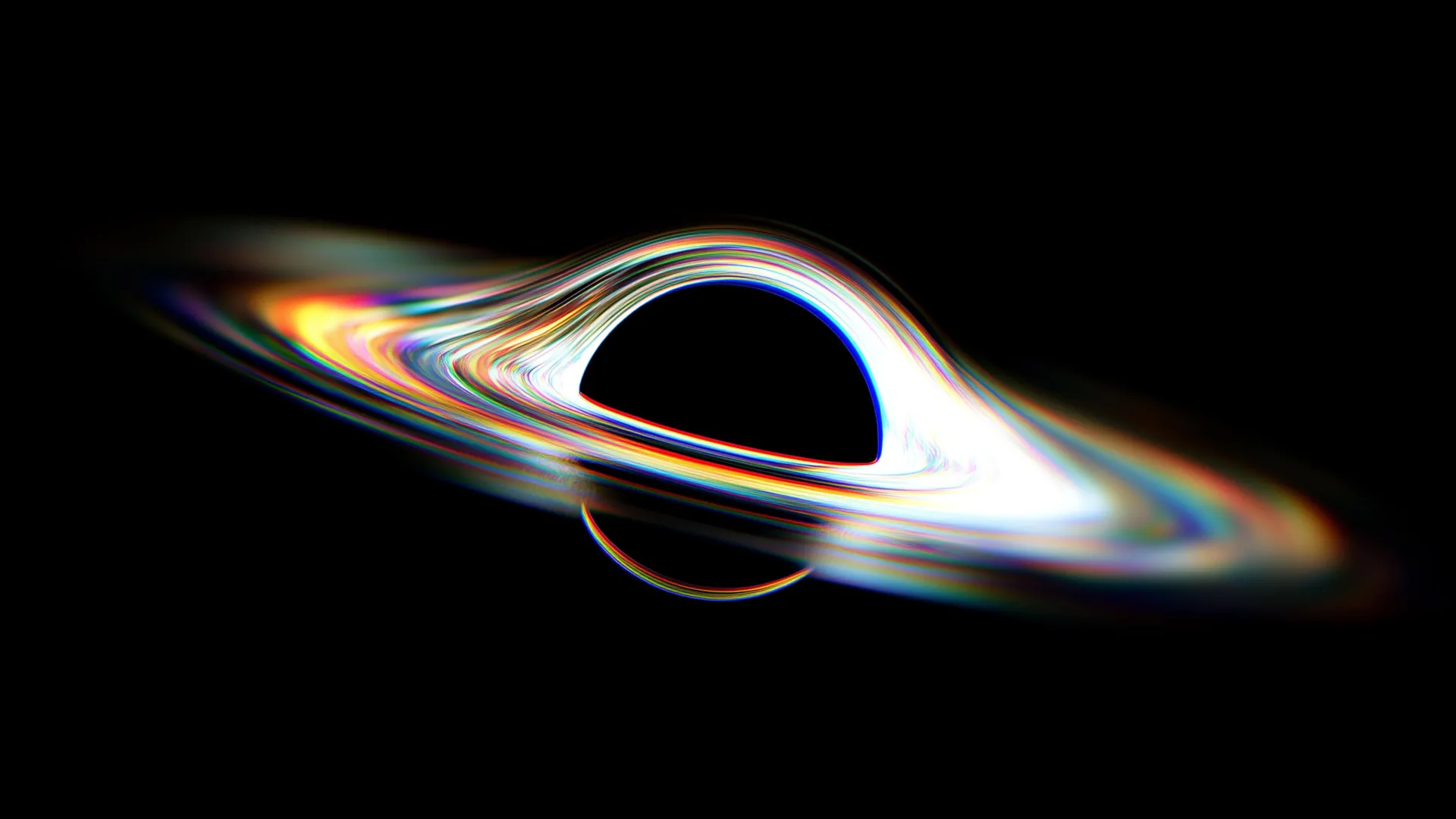
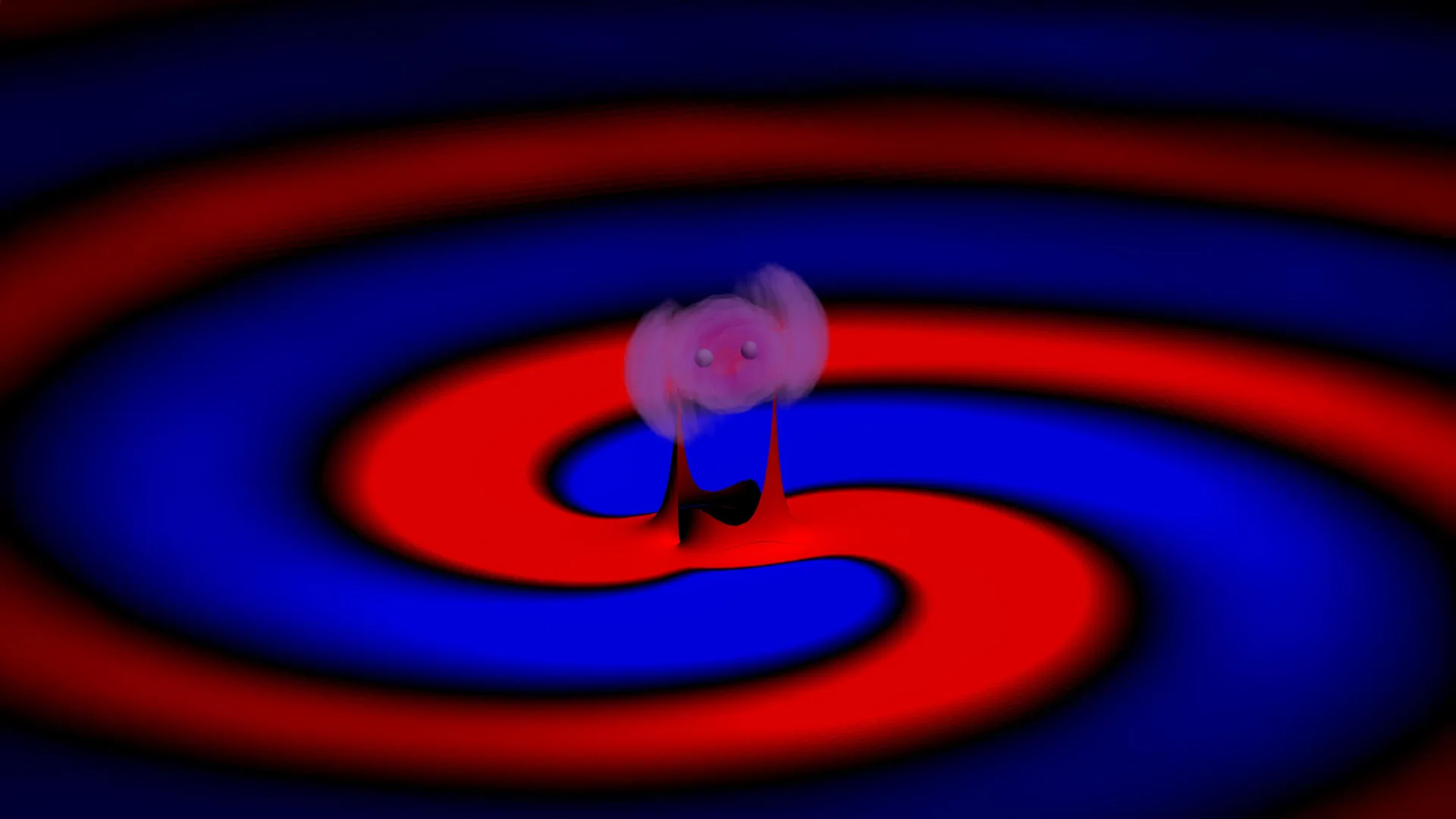
Astronomers have unveiled the largest catalog of gravitational waves ever assembled, adding 161 newly identified black hole collisions and pushing the total number of confirmed detections to 390 — a milestone that marks the field's transformation from a string of rare firsts into a mature branch of astronomy.
The new signals, part of a release known as GWTC-5.0, were captured between April 2024 and the end of January 2025 by the twin LIGO detectors in the United States, Virgo in Italy and KAGRA in Japan, a partnership known as the LVK collaboration. Thanks to a series of upgrades and the 2024 relaunch of Virgo, which had been offline for four years, the network is now sensitive enough to register as many as three to four black hole mergers every week.
The catalog's crown jewel is GW250114, described as the strongest gravitational-wave signal ever observed. It reached Earth on Jan. 14, 2025, from the merger of two black holes of roughly 32 and 34 times the mass of the Sun, more than a billion light-years away. Its exceptional clarity — a signal-to-noise ratio of 76.9 — let physicists run some of the most stringent tests yet of Einstein's general relativity and of Stephen Hawking's theorem that a black hole's event horizon can never shrink.
Another event, GW240615, delivered the most precise location ever pinned down for a black hole merger, narrowing its origin to a patch of sky just six square degrees across. Perhaps most intriguing, two late-2024 detections, GW241011 and GW241110, showed signatures of 'second-generation' black holes — objects that appear to have been assembled from the remnants of previous mergers, hinting at dense environments where black holes repeatedly collide and grow.
'The growing haul is helping scientists sharpen measurements of black holes, test the fundamental laws of physics and refine estimates of how fast the universe is expanding,' researchers said. Among the team were Dr. Daniel Williams and Dr. John Veitch, along with postgraduate researchers Alex Papadopoulos and Storm Colloms, who helped analyze the flood of signals.
With detections now arriving on a near-weekly basis, scientists say the value of gravitational-wave astronomy increasingly lies not in any single event but in the statistical portrait the full population paints — a census of black holes across cosmic time that was unimaginable a decade ago, when the first such wave was detected in 2015.
The pace of discovery is expected to keep accelerating. With further upgrades planned for the LIGO and Virgo instruments and KAGRA ramping up its own sensitivity, scientists anticipate that future observing runs will push detections into the thousands, turning rare glimpses of colliding black holes into a routine, statistically rich survey of the violent universe. That growing census, researchers say, is the real payoff of a decade of instrument-building since the first detection in 2015.