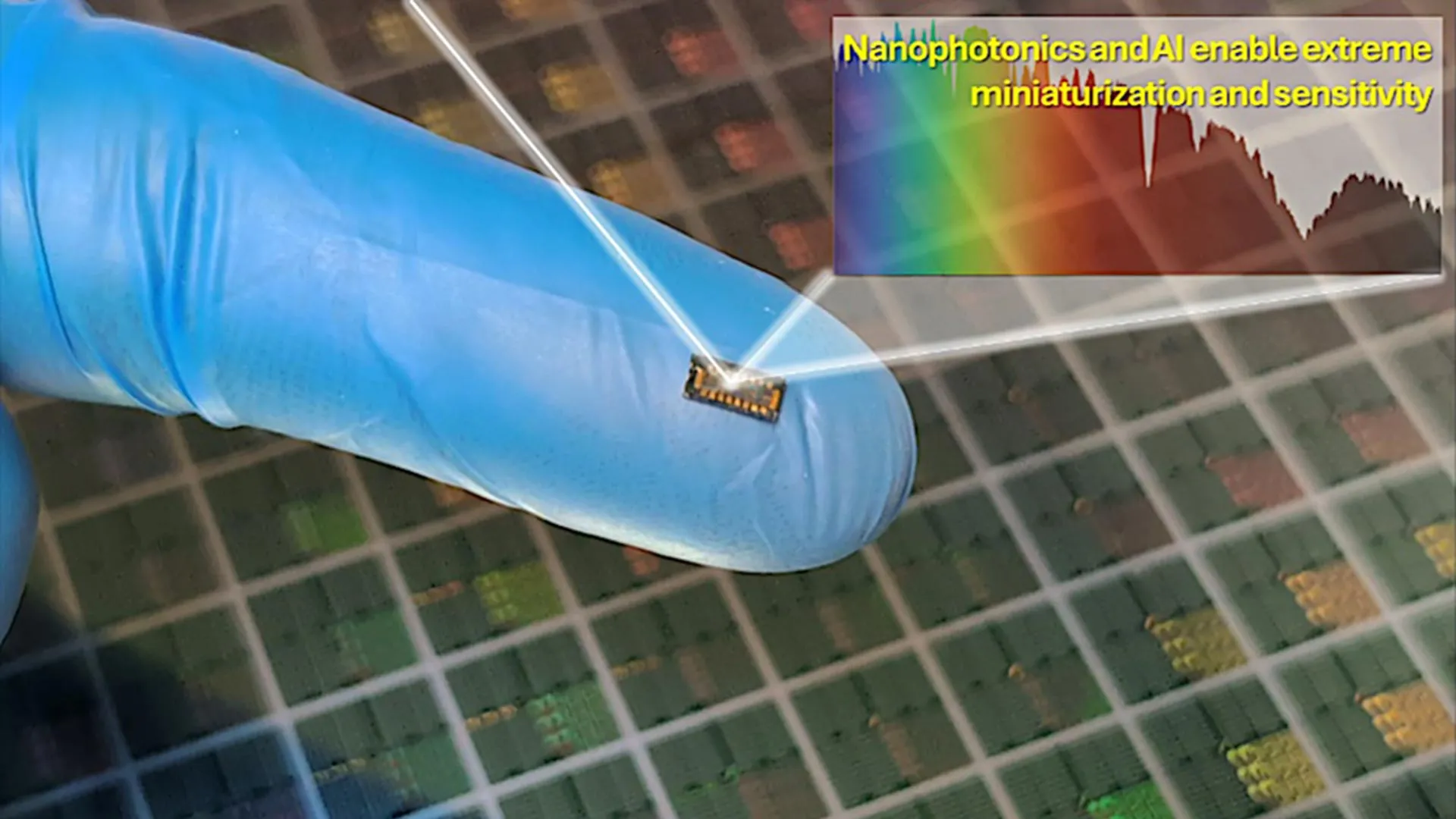
Europe's First Superconducting X-Ray Spectrometer Switches On, 1,000 Times More Sensitive
The new TES detector at Germany's BESSY II synchrotron, cooled to near absolute zero, can probe atom-thin materials and ultra-dilute samples that were previously impossible to study.
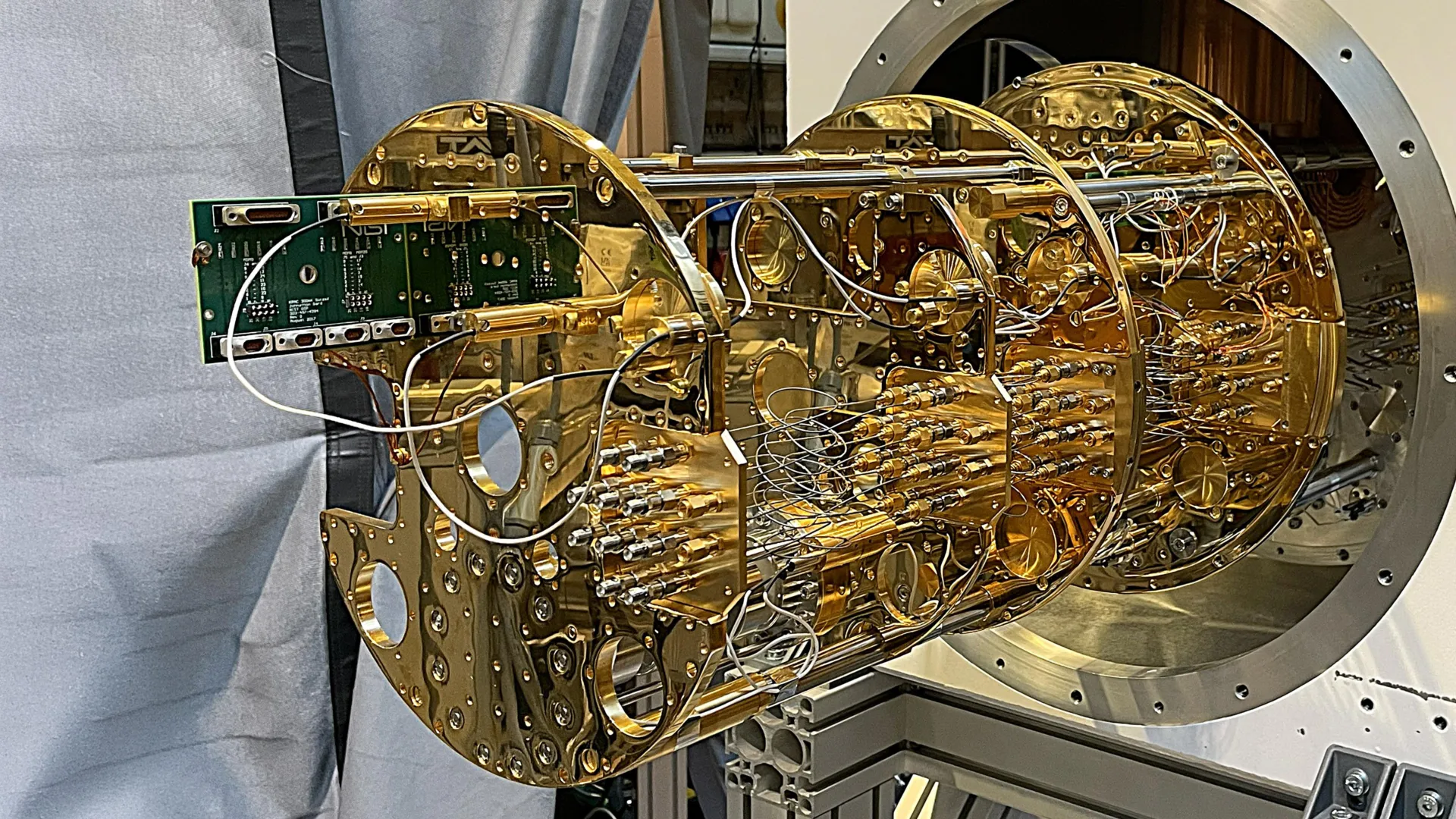
Scientists in Germany have switched on Europe's first superconducting X-ray spectrometer, a detector so sensitive it can boost photon-detection efficiency by up to 1,000 times and open the door to experiments that were previously impossible. The instrument went into operation at the BESSY II synchrotron light source, operated by the Helmholtz-Zentrum Berlin, and was announced on June 23.
The device is built around a transition-edge sensor, or TES, array — 248 tiny detectors that become superconducting when chilled to just 25 millikelvin, a hair above absolute zero. Reaching that temperature requires a helium dilution refrigerator of the kind used to cool quantum computers. When an X-ray photon strikes one of the sensors, it nudges the detector out of its delicate superconducting state by a measurable amount, allowing researchers to determine the photon's energy with exquisite precision.
That sensitivity is transformative for soft X-ray emission spectroscopy, a technique used to map the chemical and electronic structure of materials. Conventional grating-based detectors capture only a sliver of the available light, forcing long exposure times. The TES array gathers far more photons at once, letting scientists study samples that emit only the faintest signals — atomically thin materials, nanostructures and impurity-level concentrations measured in mere parts per million.
The spectrometer was developed through an international collaboration between the Helmholtz-Zentrum Berlin, the Max Planck Institute for Chemical Energy Conversion in Mülheim an der Ruhr, and the U.S. National Institute of Standards and Technology in Boulder, Colorado, which has pioneered TES detector technology. The complete system is installed at BESSY II's UE52-SGM beamline, which offers full control over the polarization of the X-ray light.
Researchers say the new capability will accelerate work across chemistry, materials science and energy research — from designing better catalysts and battery materials to probing the quantum behavior of next-generation electronic materials. Samples that once would have required impractically long measurements, or could not be studied at all, are now within reach. Already, teams are lining up to use the instrument for experiments that demand both high sensitivity and the ability to resolve subtle energy differences — conditions the TES array uniquely satisfies.
The achievement also underscores how borrowed tools from quantum technology — ultracold refrigeration and superconducting sensors — are increasingly powering breakthroughs at large research facilities. By marrying a quantum-grade detector to one of Europe's premier synchrotrons, the BESSY II team has handed scientists a microscope of unprecedented sensitivity for peering into the inner workings of matter, one photon at a time.