Physics
Scientists Build a Material That Makes Heat 'Programmable,' Breaking a 160-Year-Old Rule
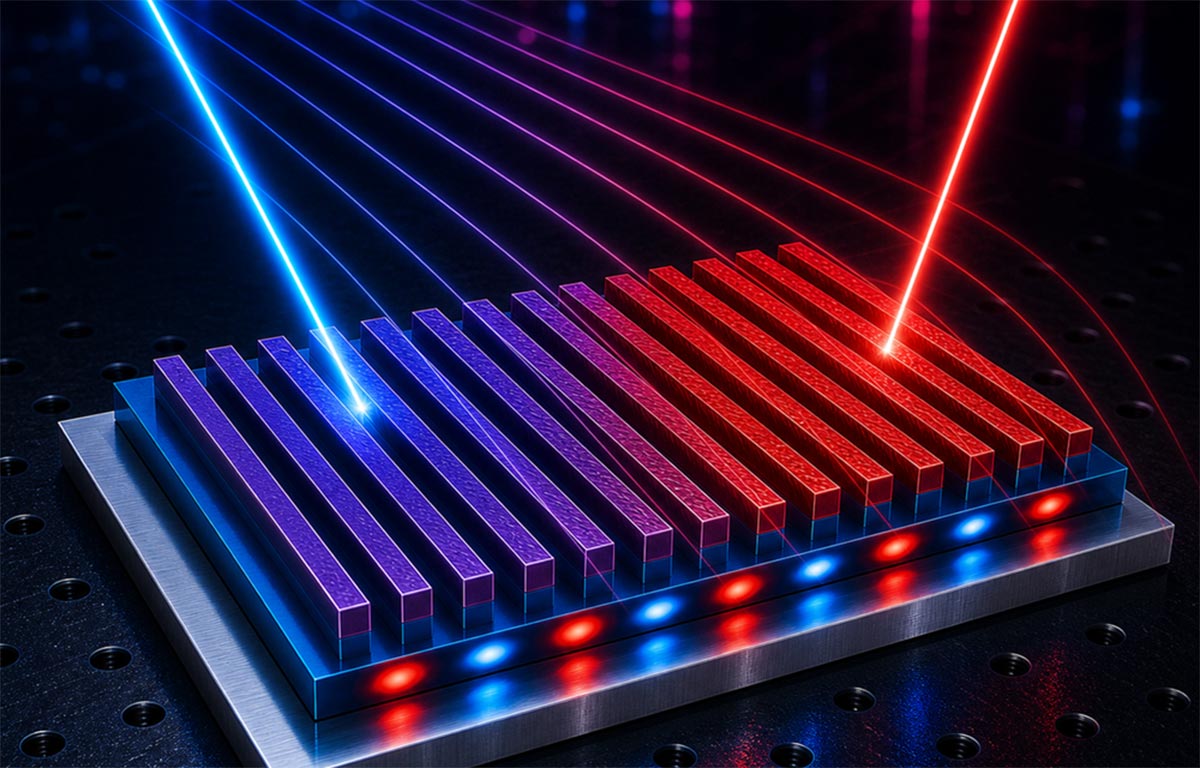
An Osaka team created a device that can steer thermal radiation, switch it on and off, and remember its setting even after the power is cut.
The physics desk
Physics from the quantum to the cosmos: particle physics, quantum computing, astrophysics, cosmology and the discoveries that change what is possible.
An Osaka team created a device that can steer thermal radiation, switch it on and off, and remember its setting even after the power is cut.

A new framework reconciles opposing pictures of how a single 'impurity' particle behaves inside a crowded quantum sea.
Researchers in Germany found that the strange math at the heart of quantum theory can be rebuilt using only real numbers, contradicting a widely cited claim that imaginary numbers are truly indispensable.

Tulane researchers found that atoms on gold surfaces reorganize into protective patterns that cut oxidation by a factor of up to a trillion, explaining the metal's centuries-long luster.
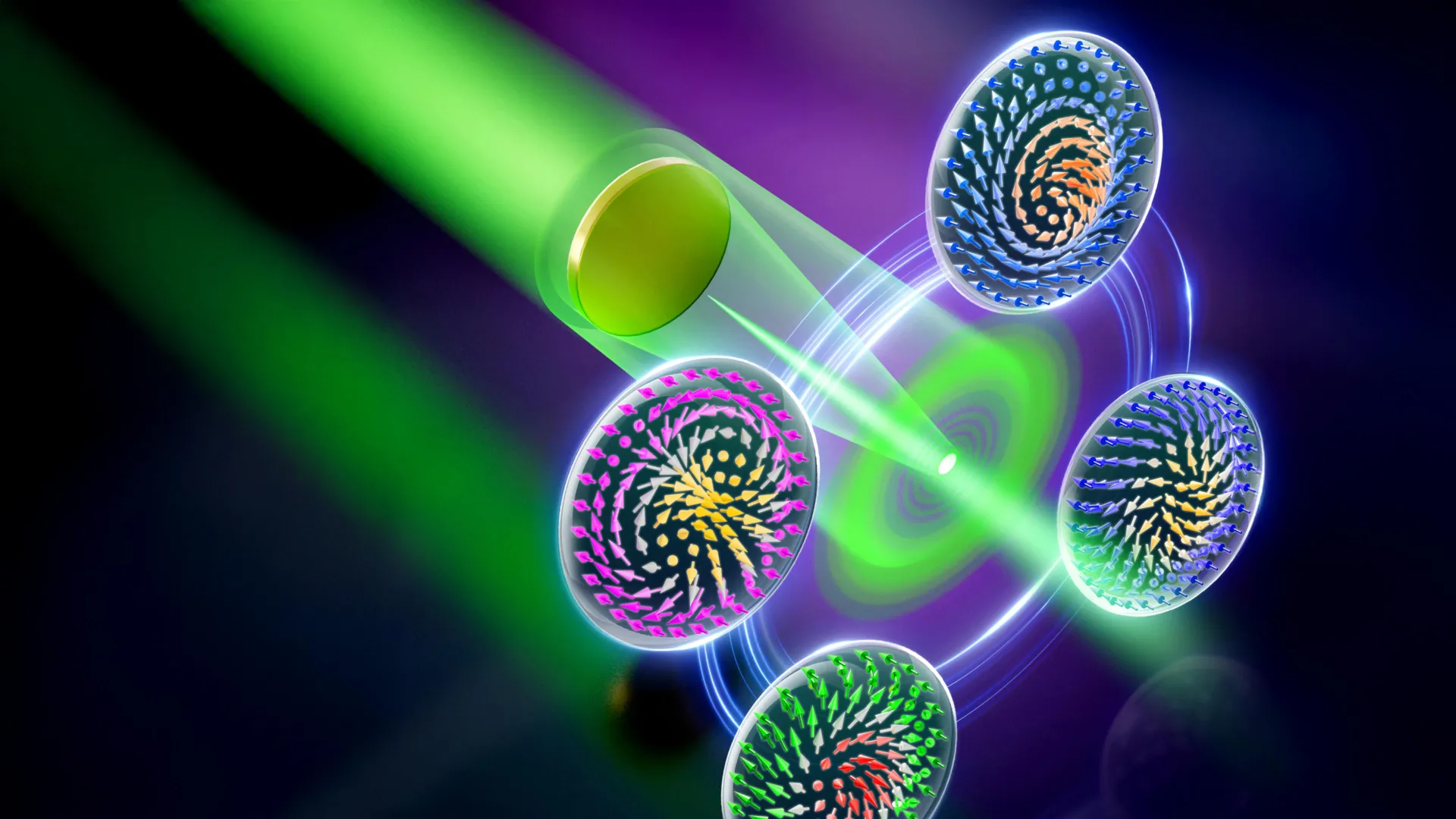
NTU Singapore researchers used the classic Poisson spot to generate up to four kinds of exotic, knot-like light patterns at once, a strikingly simple recipe for structures that could power future data storage and computing.
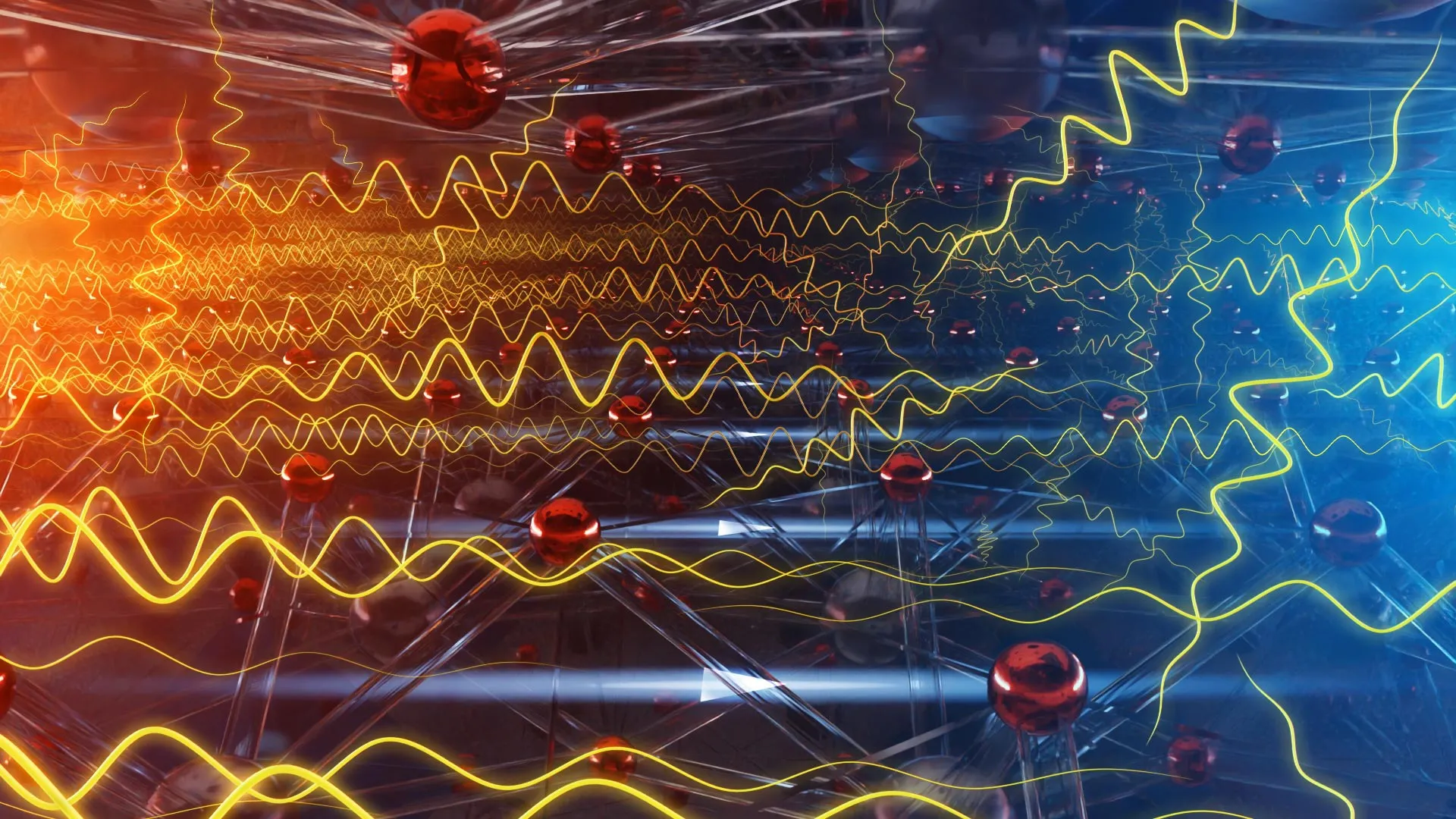
Researchers at Oak Ridge, Ohio State and Amphenol found that switching on an electric field in a relaxor ferroelectric ceramic can steer and triple its heat conduction, a tunable effect that could reshape how chips and devices stay cool.
A CUNY team built a spinning system out of engineered metamaterials that amplifies passing waves — reproducing the half-century-old Penrose-Zel'dovich process once thought possible only around a rotating black hole.
By growing a film just two atomic layers of tin telluride thick, researchers realized a long-sought 2D topological crystalline insulator — a milestone on the road to room-temperature quantum devices.

Astronomers argue the universe's X-ray-silent, seemingly overmassive black holes are actually smaller objects feeding at furious rates — a finding that could defuse one of cosmology's freshest crises.
An Imperial College team paired two clouds of ultracold strontium atoms under a single laser, letting them subtract the vibrations that have long blinded such instruments to faint cosmic signals.

A University of Birmingham experiment shows the flow of time can arise from a quantum system's own behavior, no external clock required. The setup could let scientists test ideas about the Big Bang in the lab.

New modeling of tidally locked worlds like LHS 3844b suggests heat can circulate in a stable loop, making the twilight 'terminator zone' between scorching day and frozen night more hospitable than thought.
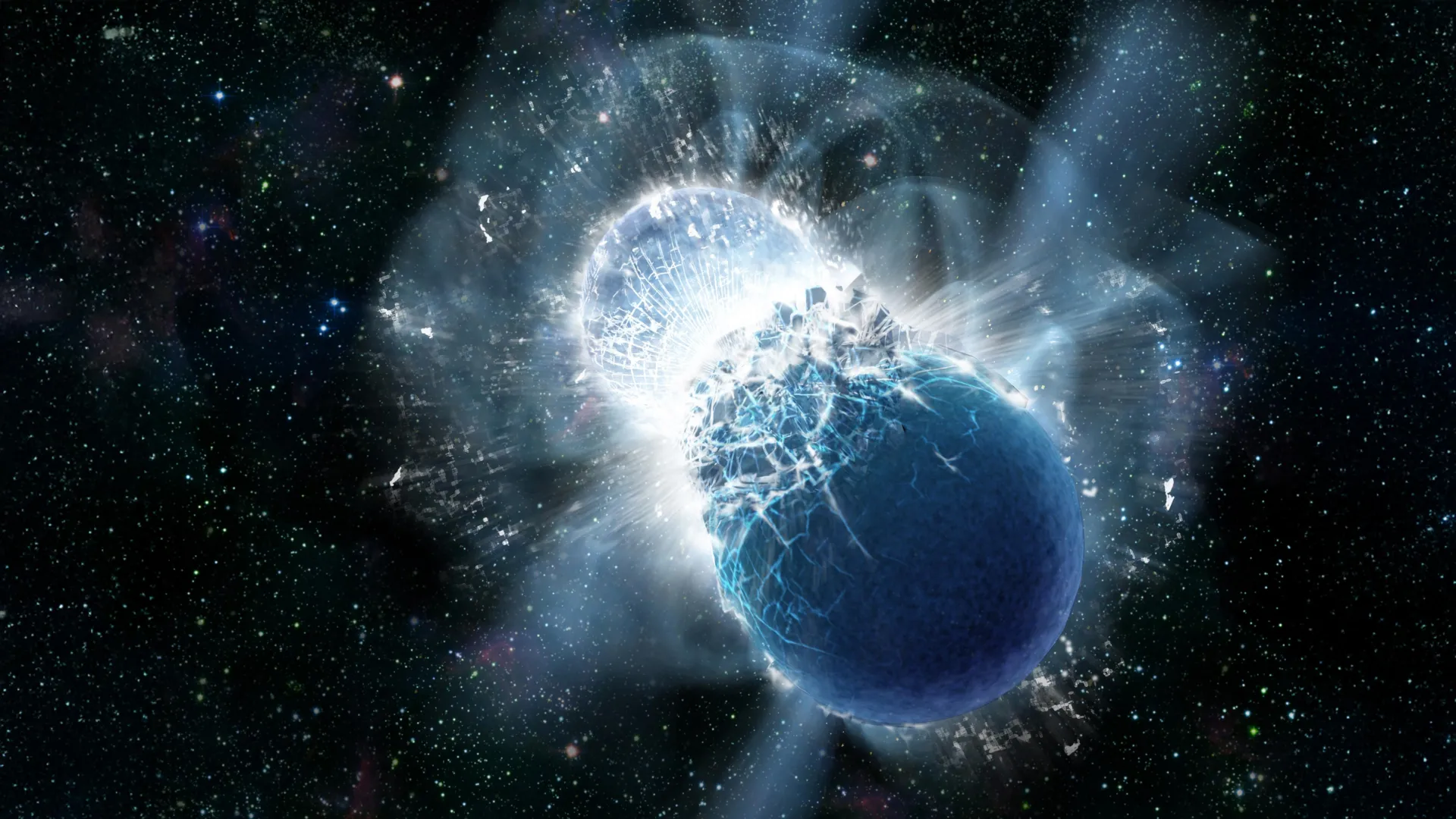
A neural network called RHINE lets physicists simulate the violent nuclear furnace of a neutron-star merger in a fraction of the time, sharpening the story of where the heaviest elements come from.
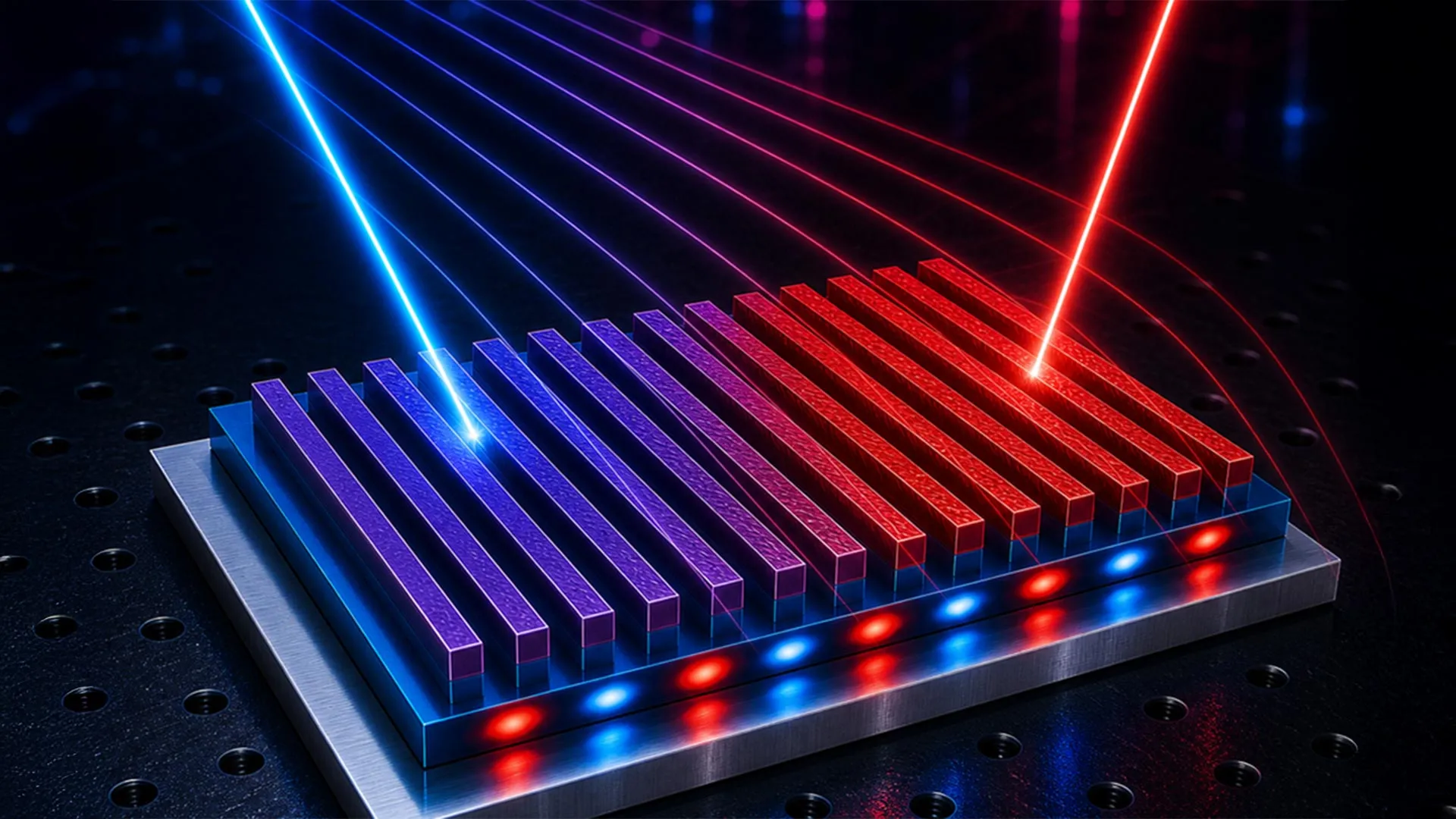
Osaka researchers paired a magneto-optical layer with a phase-change material to steer, switch and store thermal radiation, a step toward circuits that manage heat the way electronics manage current.

A tabletop 'black hole' made of light offers the clearest evidence yet for Stephen Hawking's most famous prediction, and a rare window into quantum gravity.
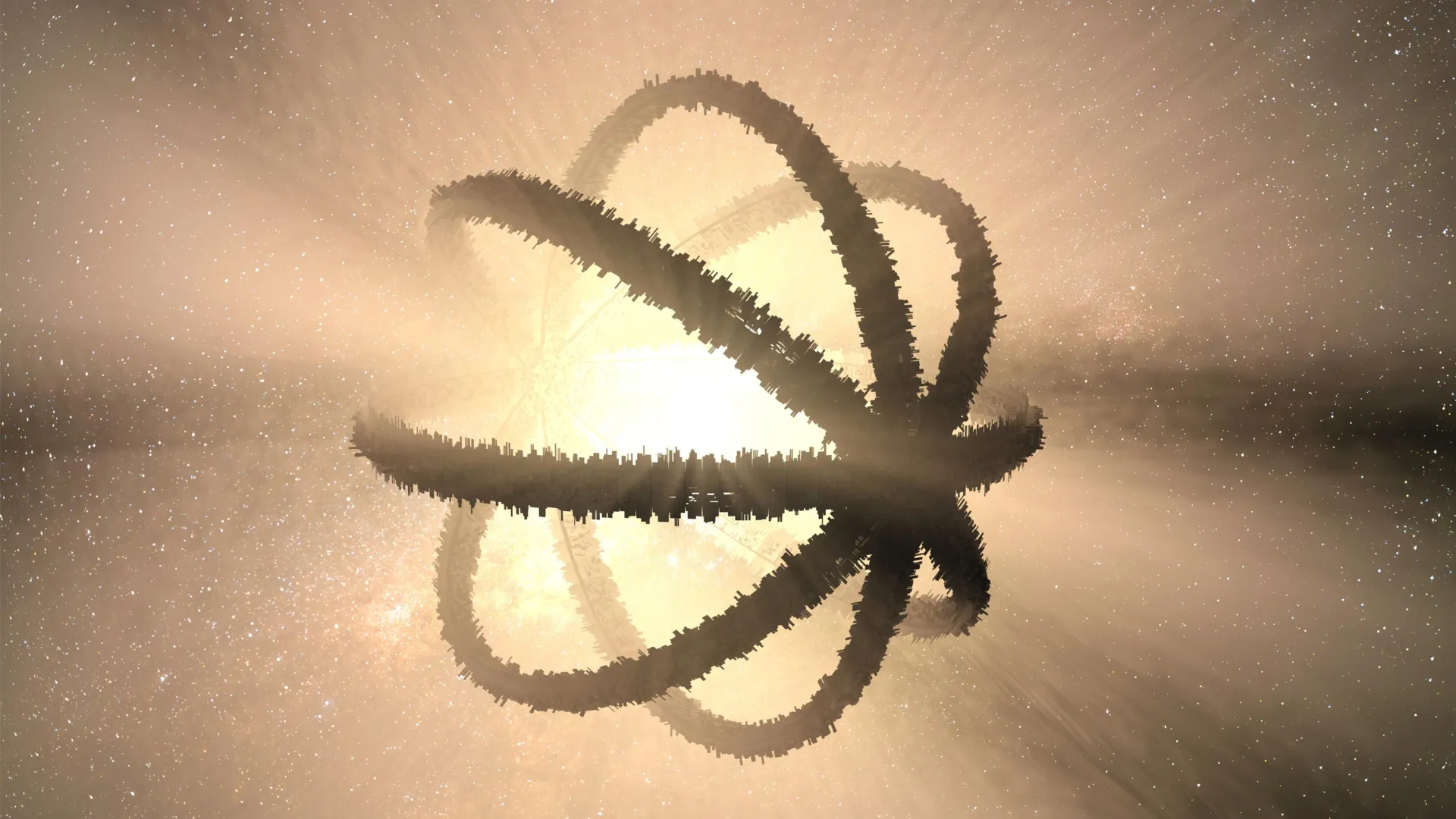
An astronomer argues that red dwarfs and white dwarfs are the best places to catch an alien megastructure, if one exists, by its telltale infrared afterglow.
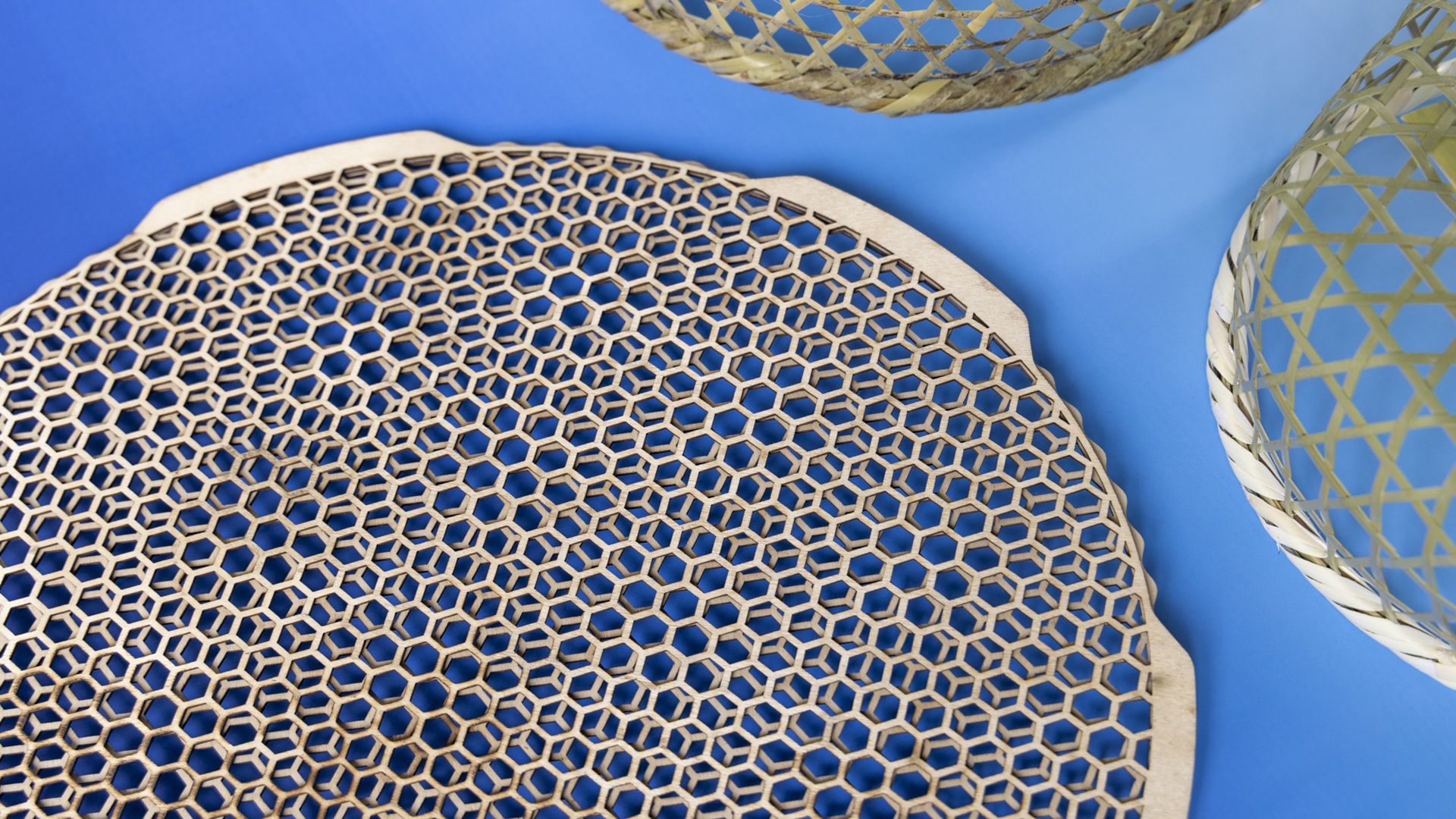
An international team used machine learning to pinpoint two never-before-seen superconductors, YRu₃B₂ and LuRu₃B₂, opening a path that could screen billions of materials in the hunt for a room-temperature version.
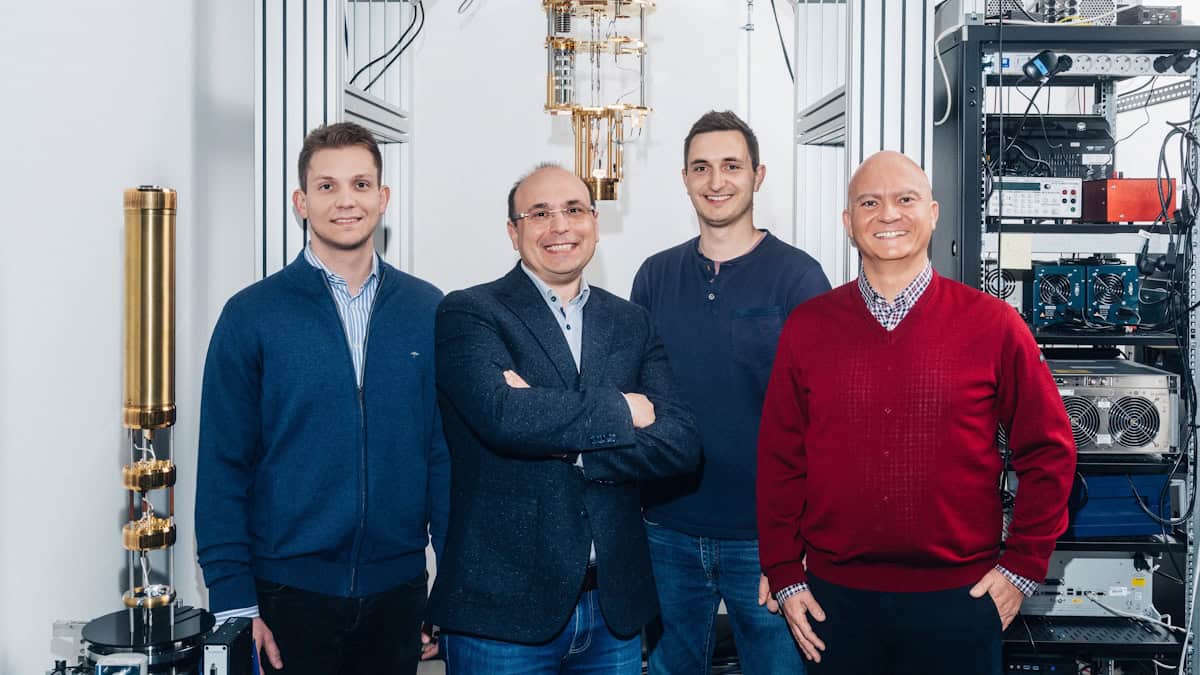
By cooling ultra-pure crystals to a fraction of a degree above absolute zero, a Vienna-led team stretched the lifetime of magnons to 18 microseconds — long enough to turn them into a 'quantum bus' linking hundreds of qubits.
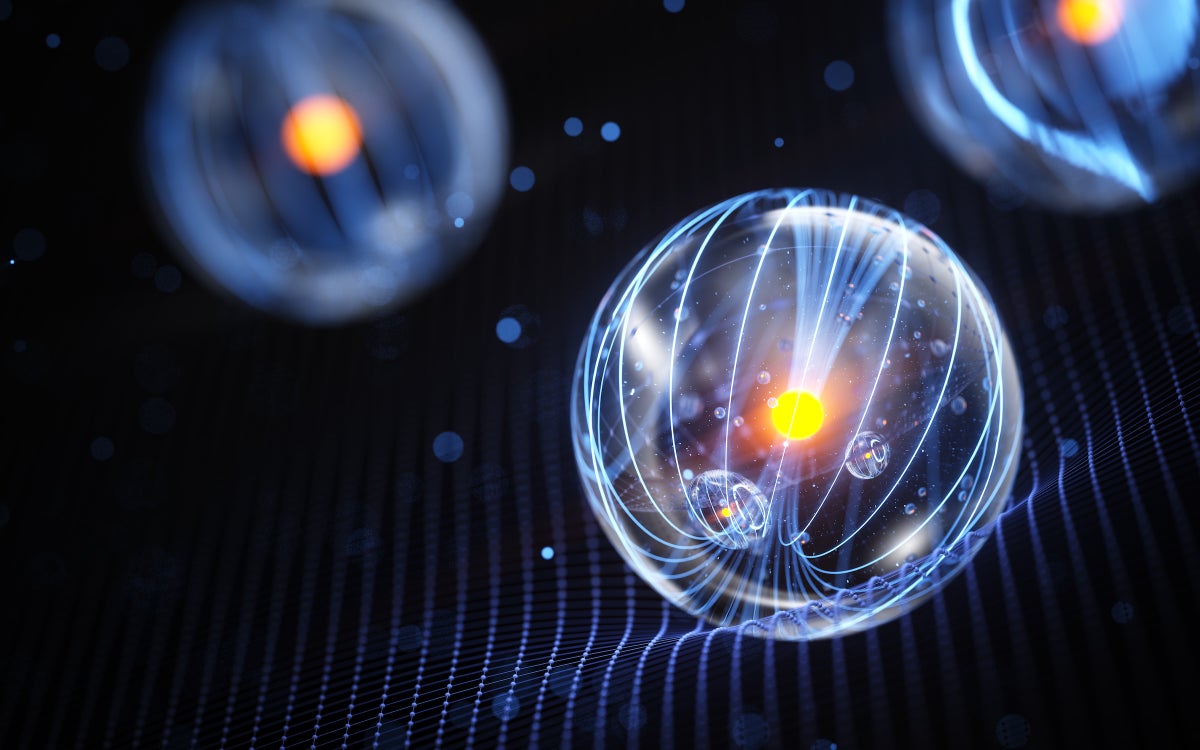
A Los Alamos team built control protocols that can stretch, blur and even reverse the 'arrow of time' in quantum systems, then used the effect to design a 'quantum demon' that pulls energy out of measurement itself.
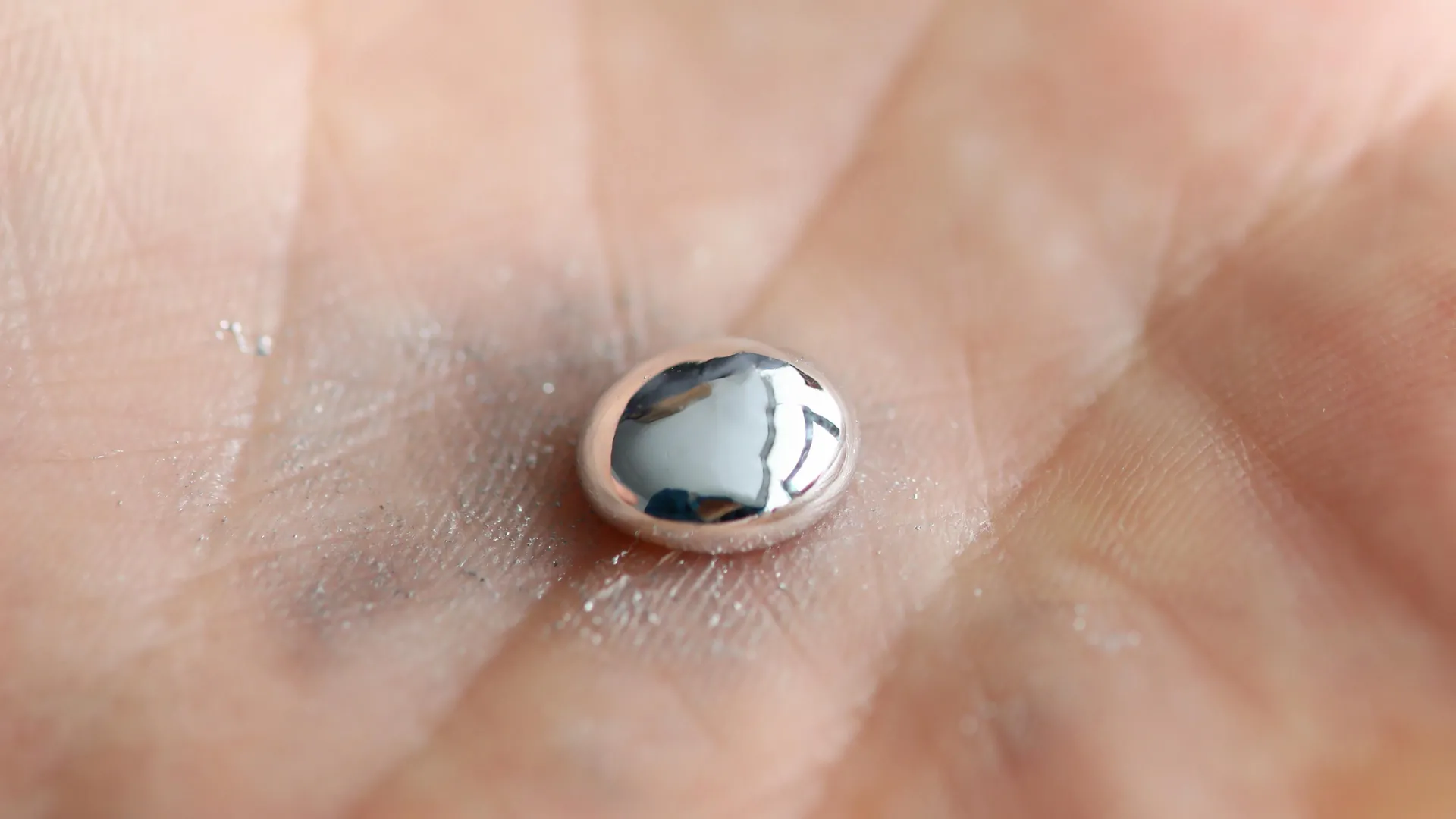
University of Auckland researchers found that the strange metal's covalent bonds don't vanish for good when it melts — they re-form at higher temperatures, rewriting how we explain why gallium melts in your hand.
A centimeter-sized 'strange metal' crystal showed at least nine-partite entanglement, a startling sign that deep quantum weirdness can survive in a bulk object big enough to pick up.

A single 10-month observing run added 161 new detections, nearly doubling the record — and delivered the sharpest gravitational-wave signal ever recorded, along with hints that some black holes are built from earlier black holes.

By cooling ultra-pure crystals to a whisker above absolute zero, a Vienna-led team kept magnons alive for 18 microseconds — long enough, they say, to carry quantum information the way today's best qubits do.

A rising, bird-like pattern in an exploding star's light gave away the birth of one of the universe's most magnetic objects — and forced Einstein's relativity into the story of a supernova for the first time.
A centimeter-sized 'strange metal' crystal at TU Wien showed groups of at least nine entangled entities acting together, the first time deep quantum entanglement has been measured in a macroscopic solid.

Los Alamos researchers designed control protocols that reshape the 'arrow of time' in quantum systems, then used the trick to pull energy back out of the very act of measurement.

Physicists paired machine learning with quantum theory to find and confirm two new materials — a recipe that could speed the long hunt for a room-temperature superconductor.
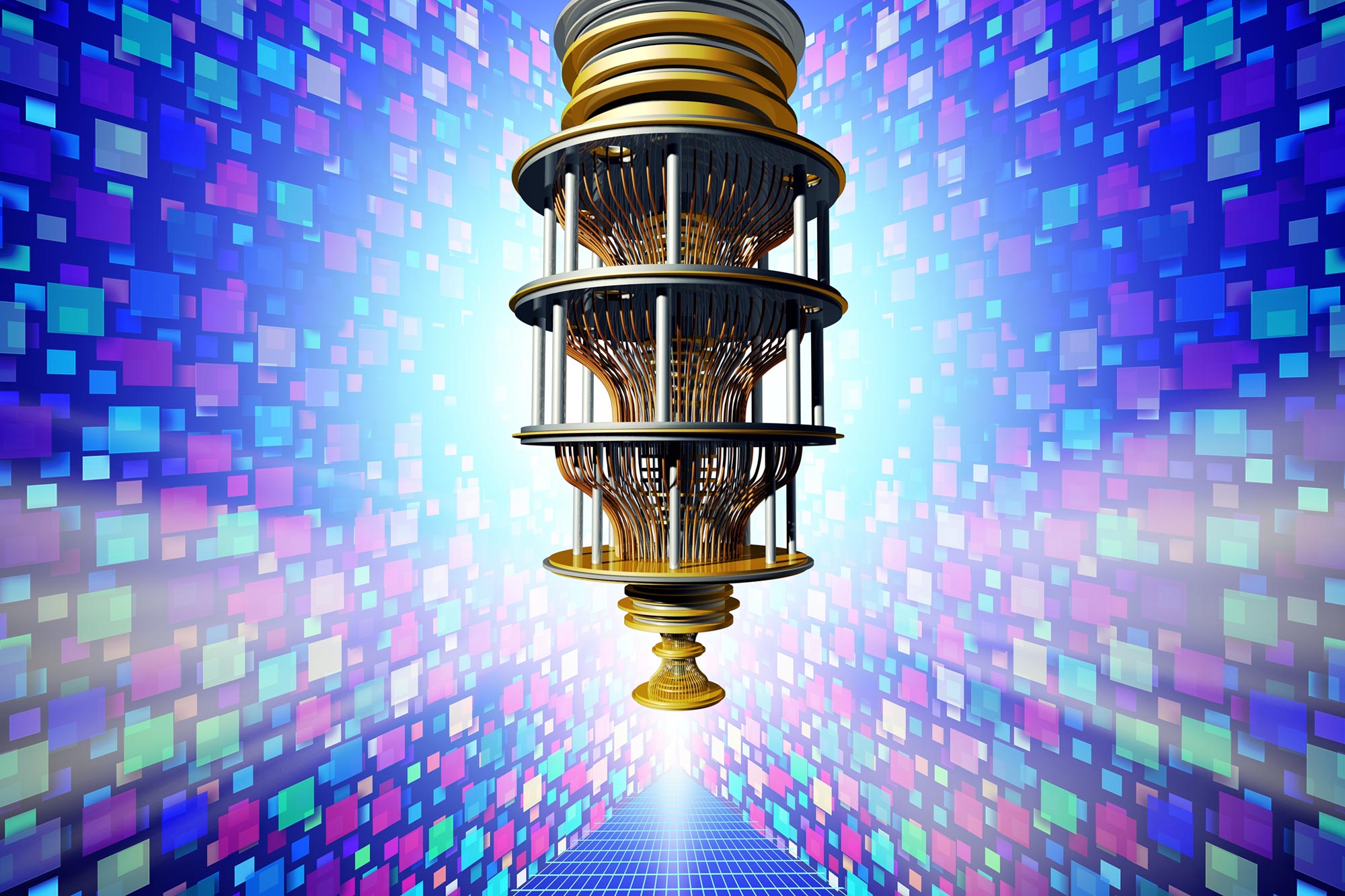
University of Vienna researchers kept magnons alive for 18 microseconds — long enough to carry quantum information — by chilling ultrapure crystals to a whisker above absolute zero.

A McGill University team coaxed electrons to sprint through a crystal just a few atoms thick, releasing tunable packets of quantum vibration that could power a new class of 'sound lasers.'
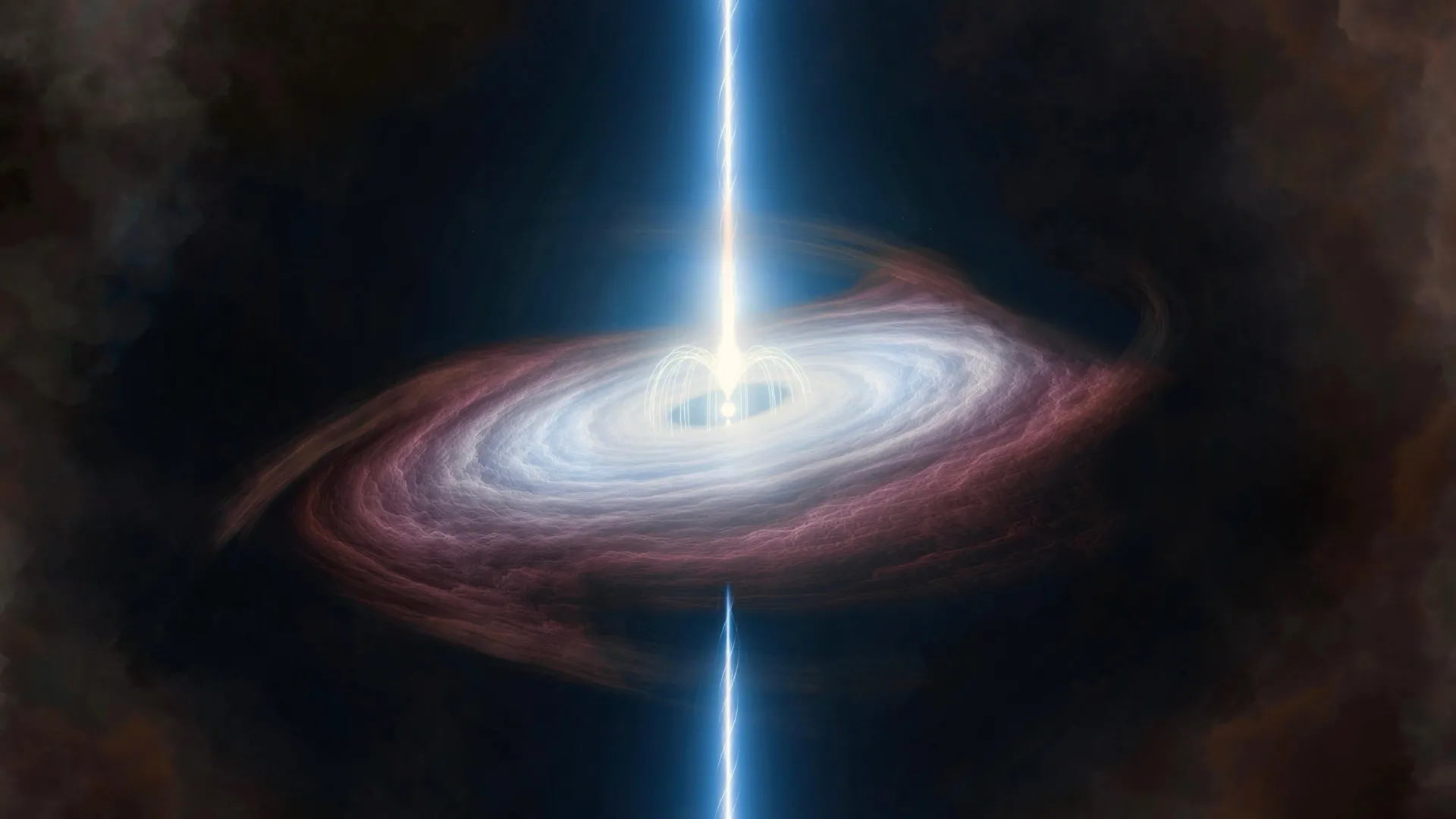
Watching a distant supernova flicker four times in a quickening rhythm, astronomers caught the moment an ultra-magnetic neutron star switched on — and saw Einstein's relativity at work in an exploding star.