US Loses Measles Elimination Status for the First Time Since 2000
The Pan American Health Organization made the call as 5,412 cases, six deaths and outbreaks in 45 states pile up in 2026.
The United States has lost its measles elimination status, researchers told KFF Health News on Saturday, ending a designation the country held since 2000. The Pan American Health Organization, the regional office of the World Health Organization, made the decision and plans a news conference on Tuesday.
Elimination status means no locally spread infections or outbreaks lasting 12 months or longer. The US failed that standard for the first time in more than two decades, as chains of transmission stretched through 2025 and into this year.
The numbers behind the decision are stark. The CDC has counted 5,412 cases so far in 2026, with more than 590 hospitalizations and at least six measles-related deaths. That compares with 2,242 cases, 48 outbreaks, 245 hospitalizations and three deaths in all of 2025. Cases have now been confirmed in 45 states and Washington, D.C. The CDC counted 43 new outbreaks this year, and about a third of 2026 cases are tied to outbreaks that began in 2025.
Pennsylvania has the largest outbreak, with more than 1,500 cases and seven deaths. New York and Wisconsin have each reported one death. Of this year's cases, 96% were in people who were unvaccinated or whose vaccination status was unknown, and only 2% were in people who were fully vaccinated.
Dr. Céline Gounder, CBS News medical correspondent, said losing the status means ongoing transmission chains are possible and that emergency rooms and pediatricians should consider measles in anyone with a fever and rash. She said the US could also become a source of measles for other countries. She noted that nine states made opting out of vaccines easier in 2025 and that state lawmakers will set next year's exemption rules when legislatures reconvene in January.
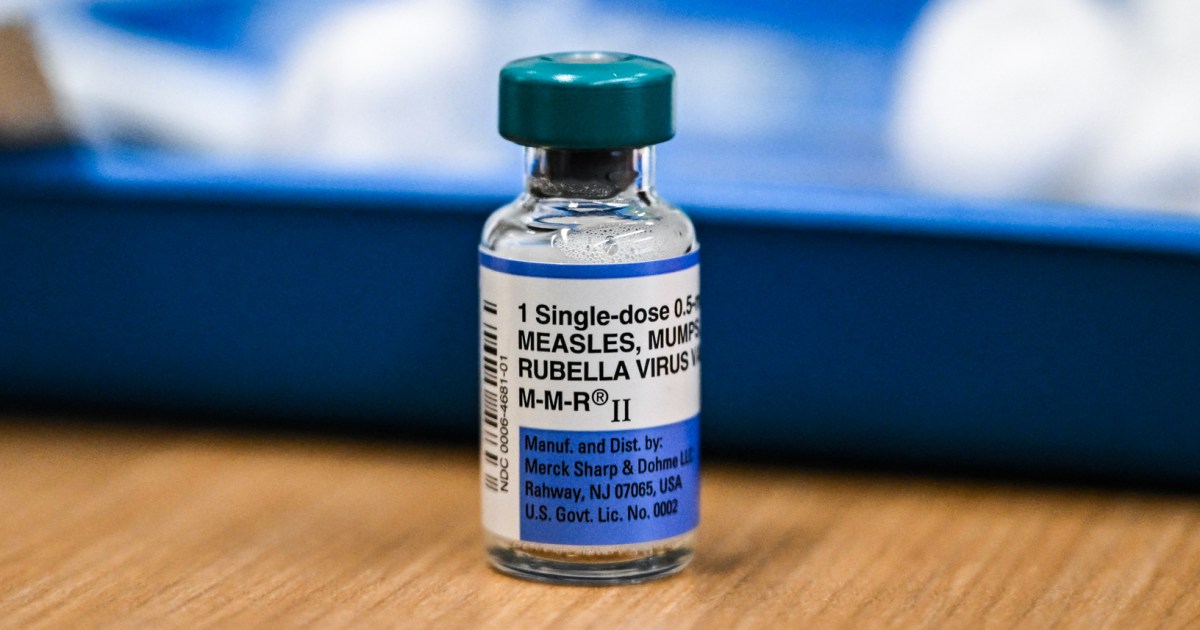
Dr. Omer Awan, an epidemiologist, called the loss a setback for public health. He described the MMR vaccine as 97% effective and said fighting misinformation and expanding vaccination campaigns are essential.
Regaining the status won't be quick. PAHO recommends keeping vaccination coverage at 95% or higher, along with sensitive surveillance, laboratory capacity and rapid outbreak response, all verified by the organization. Childhood vaccination rates have fallen in many US communities, often below the level needed to prevent outbreaks.
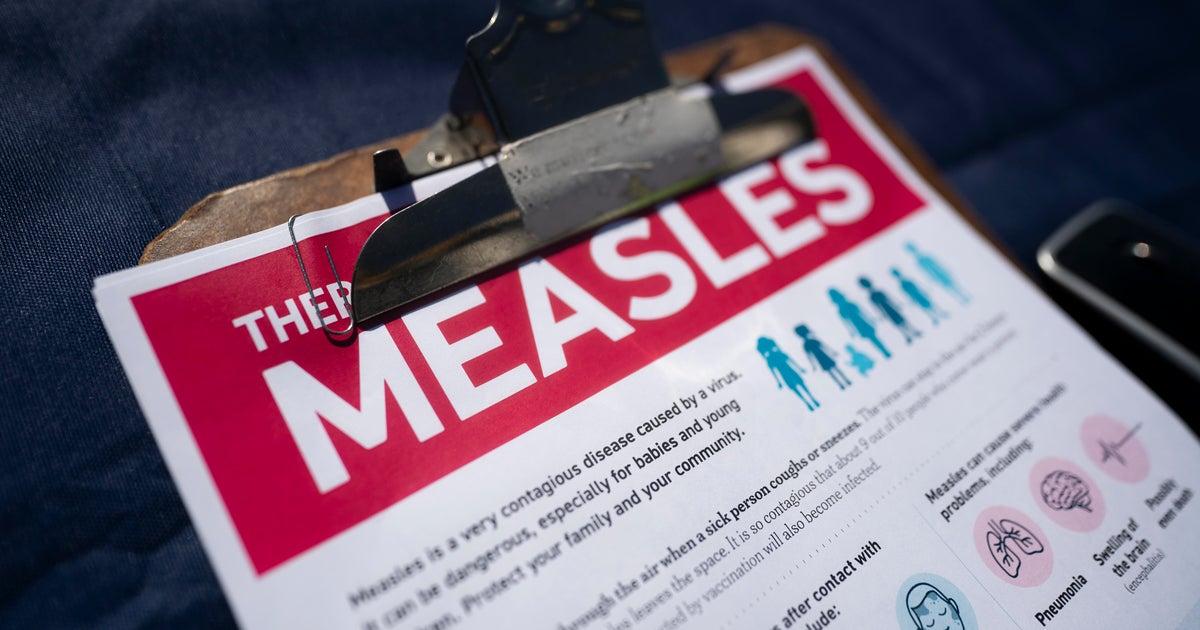
Measles is among the most contagious infections known. The people at greatest risk are those who are unvaccinated, along with babies, pregnant women and people with weakened immune systems who cannot always be vaccinated and depend on community immunity. Complications can include pneumonia, encephalitis, lung and brain infections, cognitive problems, deafness and death.