U.S. Homelessness Fell More Than 6% in 2025, but Both Parties Claim the Credit
About 49,000 fewer people were without housing, the second straight annual decline, though nearly 700,000 remain in shelters or on the streets.
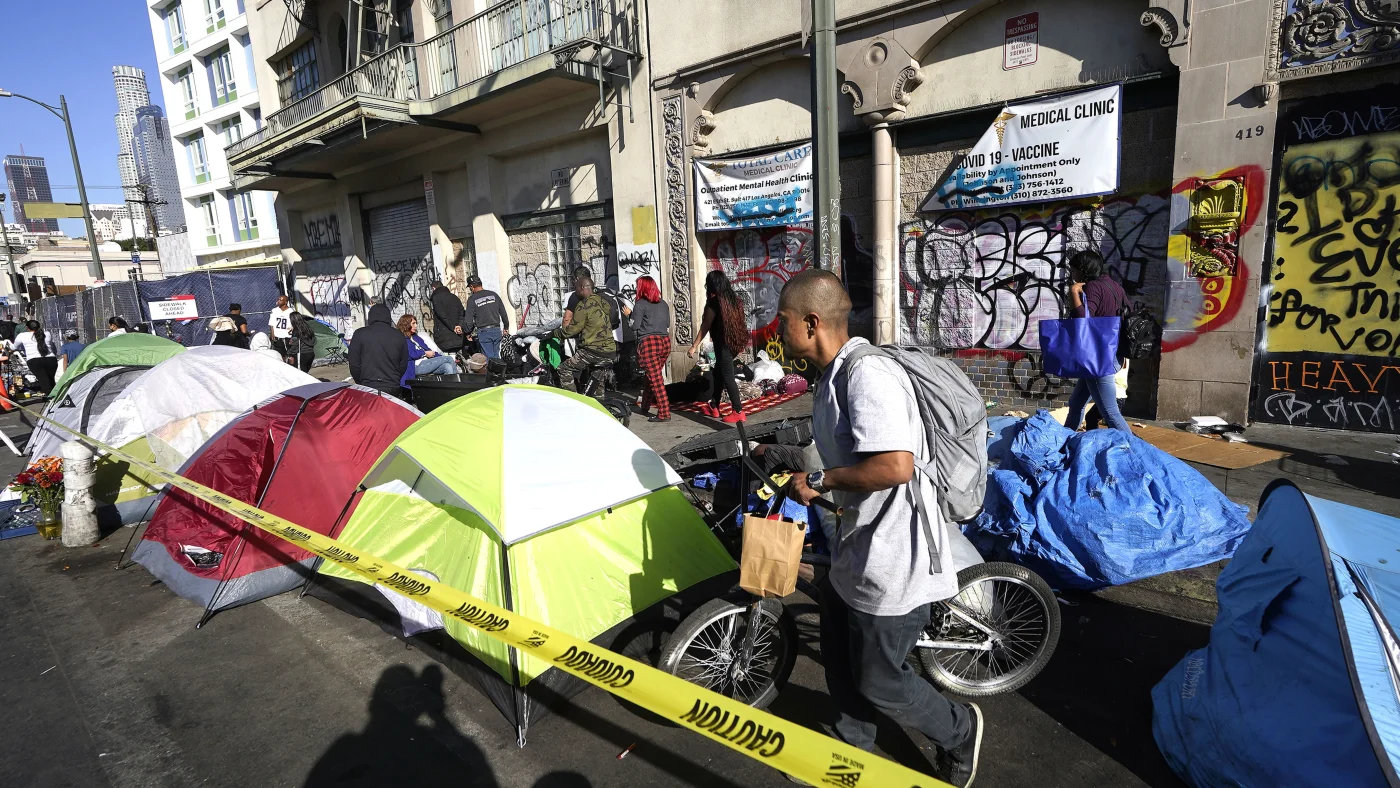
Homelessness in the United States fell by more than 6% in 2025, about 49,000 fewer people, according to the annual count released by the Department of Housing and Urban Development. It is the second year in a row of decline, after years of increases to record highs, and the drop was larger than the smaller one in 2024.
The Trump administration said its own policies drove the result. "President Trump's actions to secure the border, get criminal illegals off our streets, and restore safety to our communities drove a historic decrease in homelessness," HUD Secretary Scott Turner said in a press release. The agency had not yet posted a detailed report.
A second analysis of the same count, commissioned by the advocacy group National Alliance to End Homelessness, found a similar decline but credited different causes. "It's good news that more people are getting housed, and that the programs that are funded by Congress are working," said the alliance's CEO, Ann Oliva. Both analyses agree that nearly 700,000 people still live in shelters or outdoors, significantly more than before the COVID-19 pandemic.
The administration points to immigration policy. Under President Biden, New York, Chicago, Boston and Denver saw surges of asylum seekers arriving at homeless shelters. "That's also the four cities that have driven half of the drop most recently," said Devon Kurtz of the Cicero Institute, an administration ally on homelessness policy. Kurtz also cited declines in cities such as San Francisco, which is moving to support more sober-living housing that bans drugs and alcohol. Critics say those rules can send people back to the street if they relapse, which is common.
HUD also credited a crackdown on encampments after the Supreme Court said in 2024 that cities can ban sleeping and camping in public. Oliva said her group's analysis showed cities with such bans did worse than the national average.
Oliva pointed instead to programs that place people in housing without preconditions, especially for veterans. Veteran homelessness fell more than 7% last year and has dropped nearly 60% since 2010. She also noted that rental markets have softened in some places, and rents, though still high, are down from pandemic peaks. Declines also occurred in areas hit by major disasters, such as western North Carolina and Hawaii, where relief efforts helped unhoused people get assistance they lacked before.
The count did show one troubling sign. Unlike other groups, the number of people who have been homeless for a long time rose slightly. Oliva said more permanent housing is needed for the chronically homeless, who are more likely to have mental health problems and addiction.
The data also feeds a policy fight. The administration argues that the long-standing "housing first" approach, which places people in permanent housing and then offers voluntary treatment, has failed and is to blame for the pandemic-era spike. It wants to shift several billion dollars in homelessness spending toward short-term housing with mandatory addiction and mental health treatment. So far, courts have blocked that overhaul.