Homelessness Declined in 2024, According to Delayed Federal Report
The modest drop marked the first decrease in homelessness in nearly a decade, though the Housing and Urban Development report was published months later than usual.

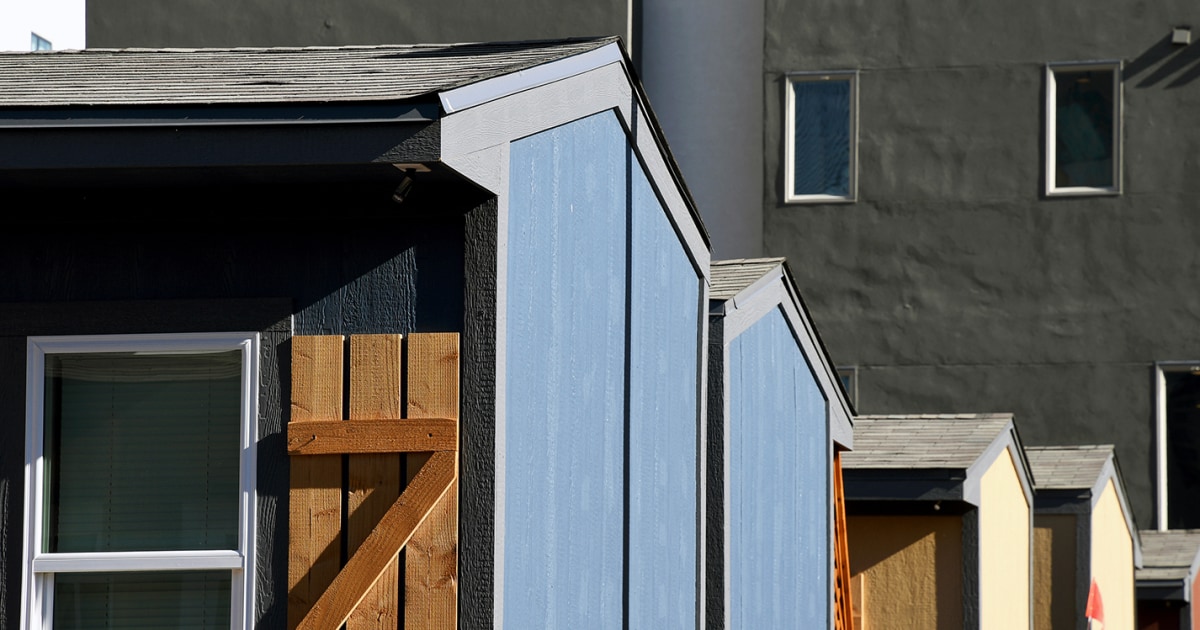
Homelessness in the United States declined in 2024 according to a federal report that was published months later than usual, marking the first decrease in nearly a decade. The Housing and Urban Development report, which typically provides annual data on homelessness trends across the country, showed a modest but significant reversal of a longstanding pattern of increases that had persisted through multiple presidential administrations.
The delayed publication of the report has raised questions about the timing and potential political implications of the data release. Federal homelessness reports are typically issued on a more predictable schedule, and the months-long delay in publishing the 2024 findings has drawn attention from housing advocates and congressional oversight committees. The timing of the release, coming during the current administration's tenure, has led to speculation about whether political considerations influenced the report's delayed publication.
Housing and Urban Development officials have not provided detailed explanations for the publishing delay, though sources within the department suggest the lag may have been related to data verification processes and coordination with state and local agencies that contribute to the annual count. The report relies on point-in-time counts conducted by hundreds of local agencies across the country, making data compilation and verification a complex process that can be affected by various logistical factors.
The decline in homelessness represents a significant policy development, as previous years had shown consistent increases in the number of Americans experiencing homelessness. Housing advocates have been closely monitoring federal data for signs that various intervention programs and policy changes might be beginning to show measurable impacts on street homelessness, temporary shelter usage, and chronic homelessness among vulnerable populations.
The modest nature of the decline suggests that while progress has been made, homelessness remains a substantial challenge requiring continued federal, state, and local coordination. The report's findings will likely influence upcoming budget discussions and policy debates about housing assistance programs, mental health services, and other interventions designed to address the root causes of homelessness across American communities.