A Trump-Appointed Judge Just Threw Out HUD's Plan to Move $4 Billion Away From Permanent Housing — for the Second Year Running
Judge Mary McElroy vacated the department's 2026 funding notice, which would have carved out $1.3 billion for transitional shelter and services in a program that normally sends about 90% of its money to permanent housing.

A federal judge on Friday struck down the Trump administration's attempt to rewrite how roughly $4 billion in annual federal homelessness money is spent, ruling that the Department of Housing and Urban Development skipped a legally required step before rewriting the rules.
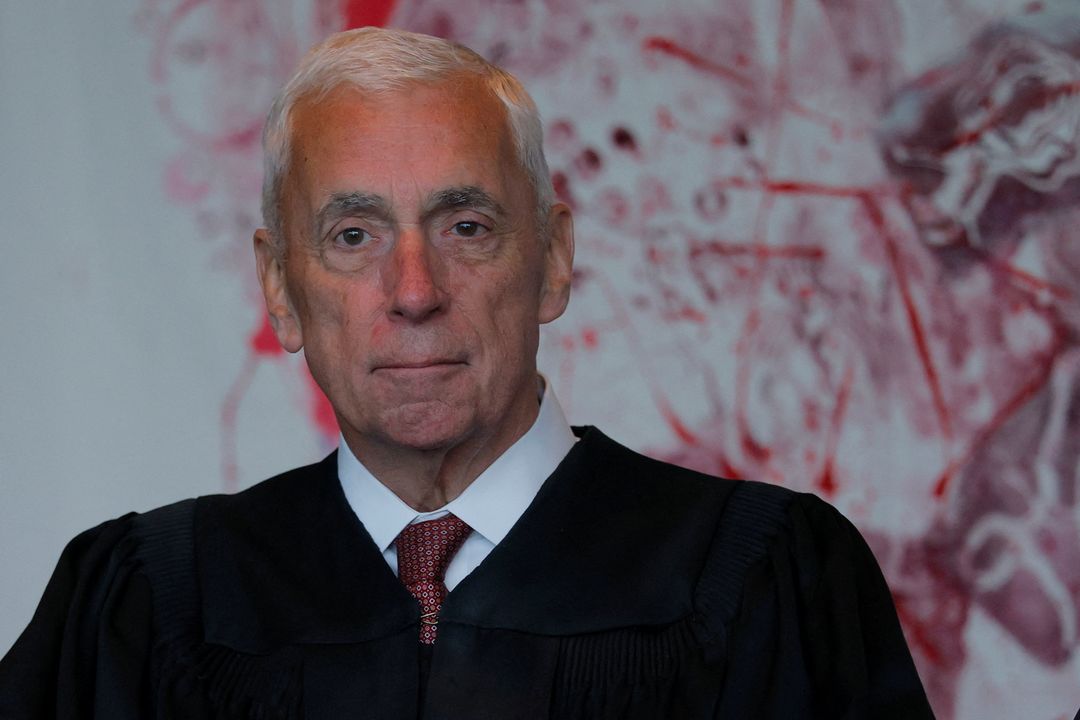
U.S. District Judge Mary S. McElroy granted summary judgment to the plaintiffs in National Alliance to End Homelessness v. Turner and vacated HUD's 2026 Notice of Funding Opportunity for the Continuum of Care program, the government's largest source of homelessness assistance. McElroy is a Trump appointee. She had already blocked a substantially similar attempt to restructure the program's fiscal 2025 funding, which makes Friday's decision the second time in two years the department's overhaul has been thrown out by the same judge.
At issue is a decades-old policy consensus known as "housing first," which holds that people should be placed into permanent housing before, not after, they resolve addiction, unemployment or mental-health problems. In practice about 90% of Continuum of Care dollars have historically flowed to permanent supportive housing and rapid rehousing. HUD's 2026 notice would have set aside $1.3 billion — more than 30% of the year's total — specifically for new transitional housing projects or for supportive-services-only projects that come with no housing attached. Providers warned that the shift would have forced hundreds of existing permanent-housing programs to either convert or lose their grants.
McElroy's ruling did not turn on whether the policy was wise. It turned on the Administrative Procedure Act, the 1946 statute that governs how federal agencies write rules. The court found HUD made a substantive change to the program without going through the notice-and-comment process the law requires — publishing a proposed rule, collecting public feedback, and responding to it before finalizing. Agencies routinely lose on exactly this ground when they attempt major policy reversals through funding announcements rather than rulemaking, and the remedy is vacatur: the notice is wiped, and the agency must start over.
The suit was brought by a coalition of homeless-services organizations represented by Democracy Forward, which has filed dozens of APA challenges to administration actions since January 2025. The plaintiffs argued that HUD had also injected ideological conditions into grant eligibility, and that communities across the country had already begun restructuring their applications around a notice that was legally void.
The practical effect is immediate uncertainty for local Continuums of Care — the regional bodies that assemble applications on behalf of shelters, outreach teams and housing providers — many of which were mid-cycle when the ruling landed. HUD can appeal, or it can attempt the change again through formal rulemaking, a process that typically takes months and generates a public record the department would then have to defend. Neither path restores the 2026 competition on its original timeline. For providers, the more consequential number may be the calendar: two consecutive funding years have now been consumed by litigation over money that Congress already appropriated.