The AfD Took 44% in Saxony-Anhalt. No Far-Right Party Has Led a German State Since 1945
Ulrich Siegmund's party more than doubled its 2021 result and left Friedrich Merz's Christian Democrats at 18.5% after 24 years running the state. Every other party still refuses to govern with it.

The far-right Alternative for Germany won the state election in Saxony-Anhalt on Sunday by a margin that has no precedent in postwar German politics, taking roughly 44% of the vote and finishing more than 25 points ahead of the party that has governed the state since 2002.
ARD projections put the AfD at about 44.5%, the Christian Democrats at 18.5%, and the Left Party, the Social Democrats and the Greens each somewhere around 9%. The AfD had won 20.8% in the same state in 2021. Chancellor Friedrich Merz's CDU lost roughly half of its support after 24 consecutive years leading Saxony-Anhalt, a state of about 2.2 million people in the former East Germany.
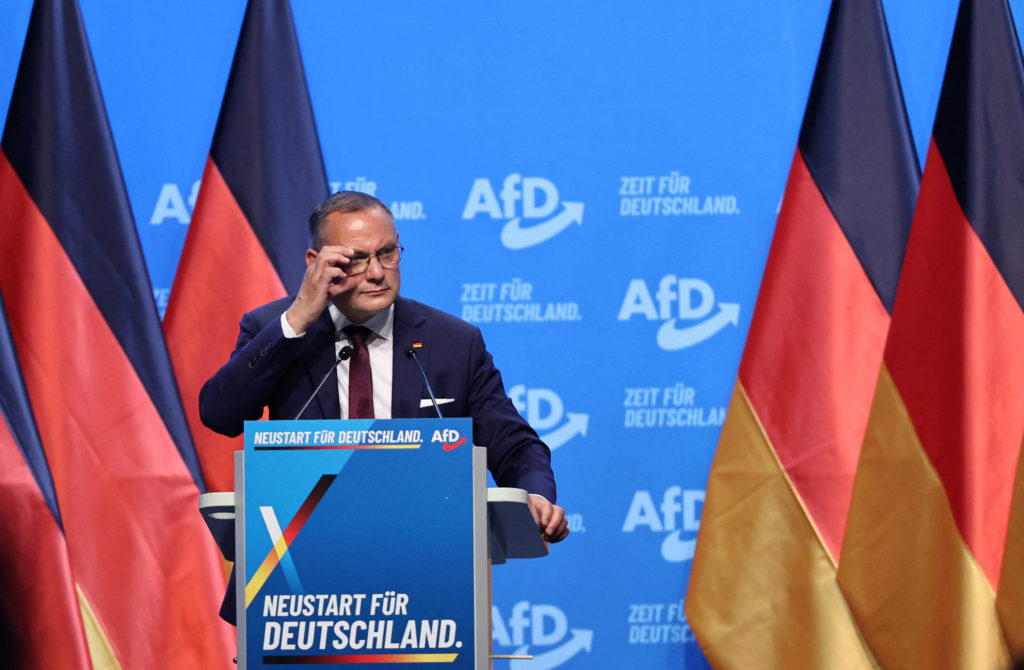
"We have written history," said Ulrich Siegmund, the AfD's candidate for state premier, telling supporters that voters had sent a signal that "things cannot carry on like this." Alice Weidel, the party's national co-leader, called the result "sensational" and said the AfD had "received a very clear mandate to govern here."
Whether it can actually govern is a separate question, and it was not settled Sunday night. Germany's mainstream parties maintain what they call the firewall — a blanket refusal to enter coalitions with or accept support from the AfD. Unless the party wins an outright majority of seats, the firewall means the CDU, SPD, Left and Greens could in principle assemble a coalition of everyone else and lock the largest party out of the premiership. Early projections left it unclear whether the AfD had cleared an absolute majority. The CDU's general secretary conceded it was "a very difficult result."
The stakes go beyond one state legislature. Saxony-Anhalt's branch of the AfD has been formally classified as right-wing extremist by the state office of Germany's domestic intelligence service, a designation that permits surveillance. If the party takes the premiership, it would control a state interior ministry and, with it, some authority over the police and the domestic intelligence office that monitors it.
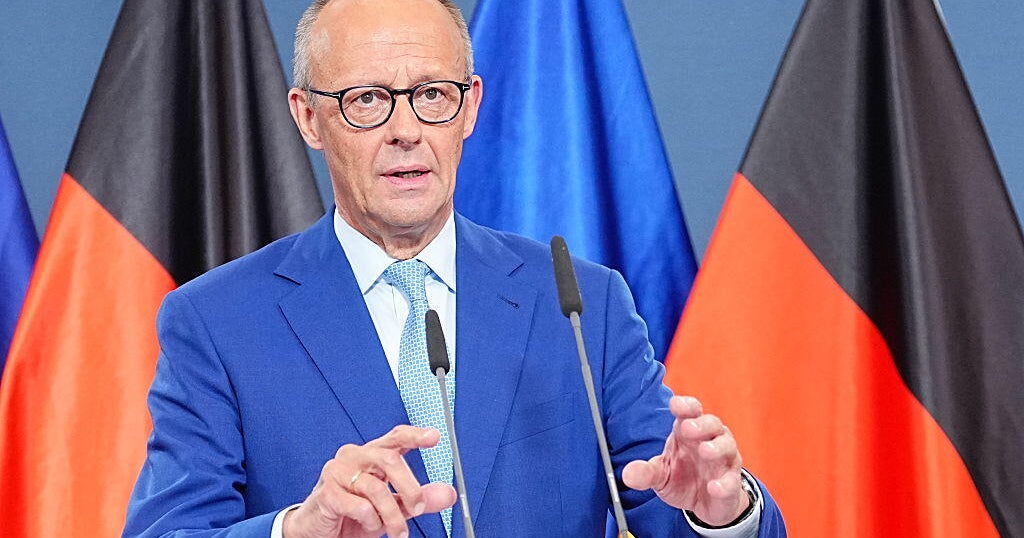
The result also lands hard on Merz, who took office in 2025 promising that tougher migration policy and a revived economy would drain support from the far right. Instead the AfD has polled at or near the top nationally for much of this year, and the eastern states have become the clearest expression of that: the party finished first in Thuringia in 2024 and has now nearly doubled its previous best state result.
AfD leaders spent the campaign arguing that the firewall is itself undemocratic — that a party approaching half the vote cannot be permanently excluded from power. That argument is now considerably harder for the other parties to answer, and it will shape the negotiations over the next several weeks in Magdeburg, where the new state parliament will convene.