Neo-Nazi Candidate Reaches Mayoral Runoff in German Town, Breaking Post-War Taboo
For the first time since World War II, a member of a neo-Nazi party has advanced to a mayoral runoff in Germany, raising concerns about the far-right's growing influence in eastern regions.

A member of a neo-Nazi party has reached a mayoral runoff in a small German town, marking an unprecedented development since the fall of the Third Reich as voters prepare to decide whether to break a post-war taboo that has kept extremist candidates from local executive positions. The advancement to Sunday's runoff election represents a significant milestone for Germany's far-right movement and has sent shockwaves through the country's political establishment, which has worked for decades to prevent such candidates from gaining mainstream political legitimacy.
Since the end of World War II and the establishment of modern democratic Germany, voters have consistently rejected mayoral candidates affiliated with neo-Nazi parties, maintaining a clear boundary against political movements that echo the ideologies that led to the Holocaust and devastating war. The breakthrough in this eastern German town reflects broader concerns about the growing influence of far-right parties in regions that were formerly part of East Germany, where economic challenges and social tensions have created fertile ground for extremist messaging.
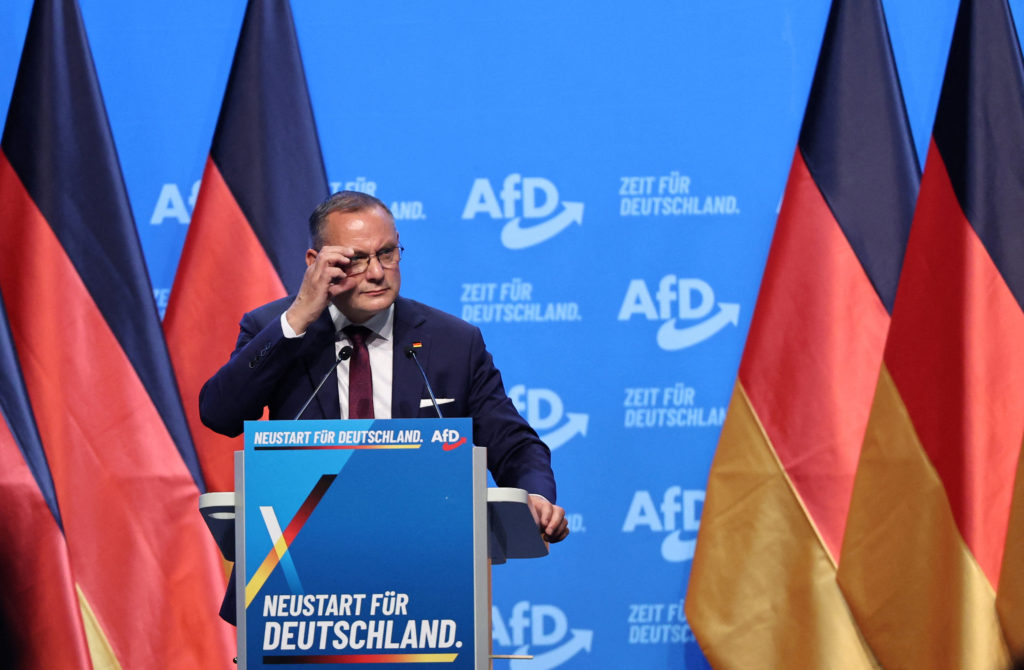
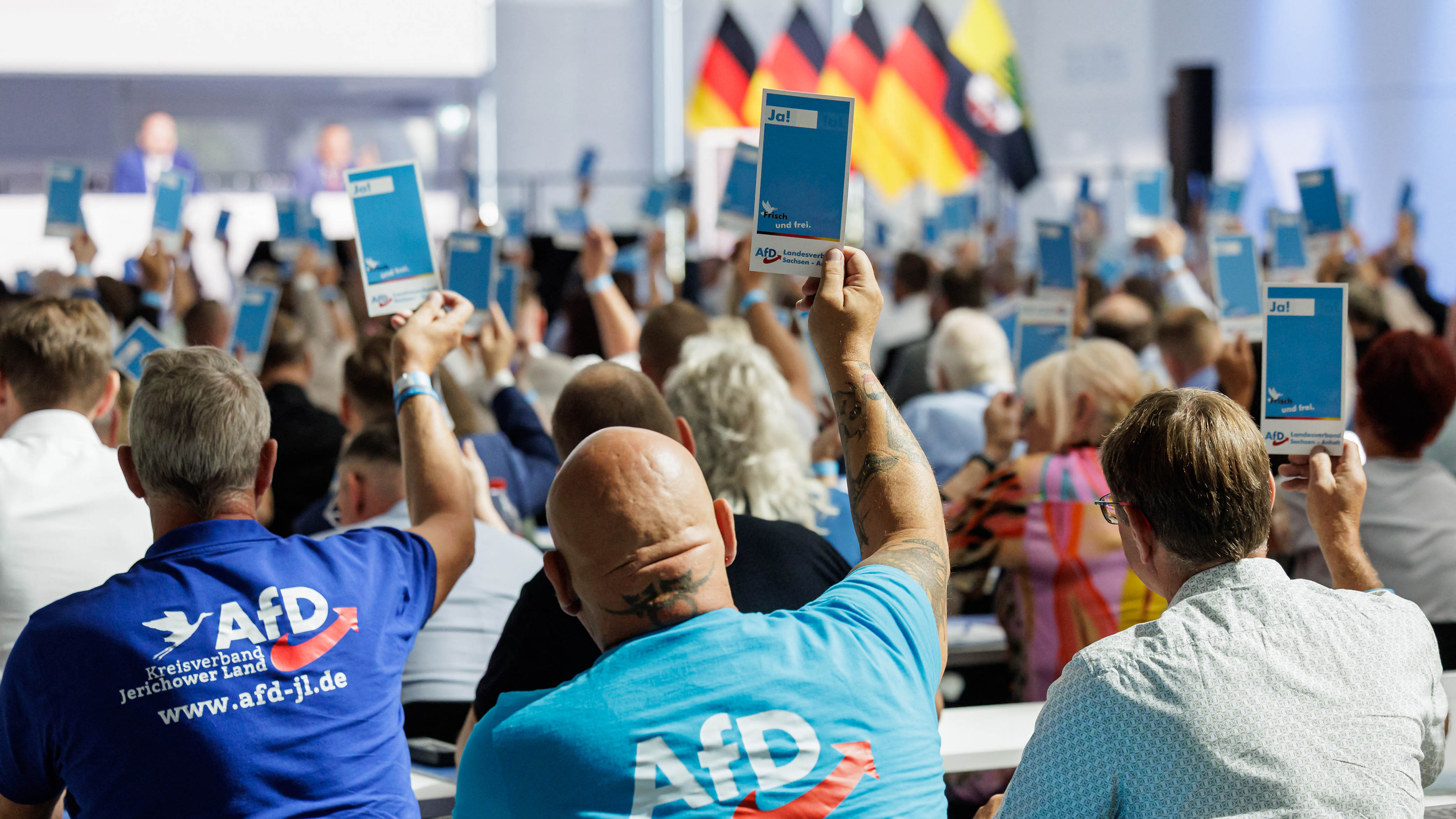
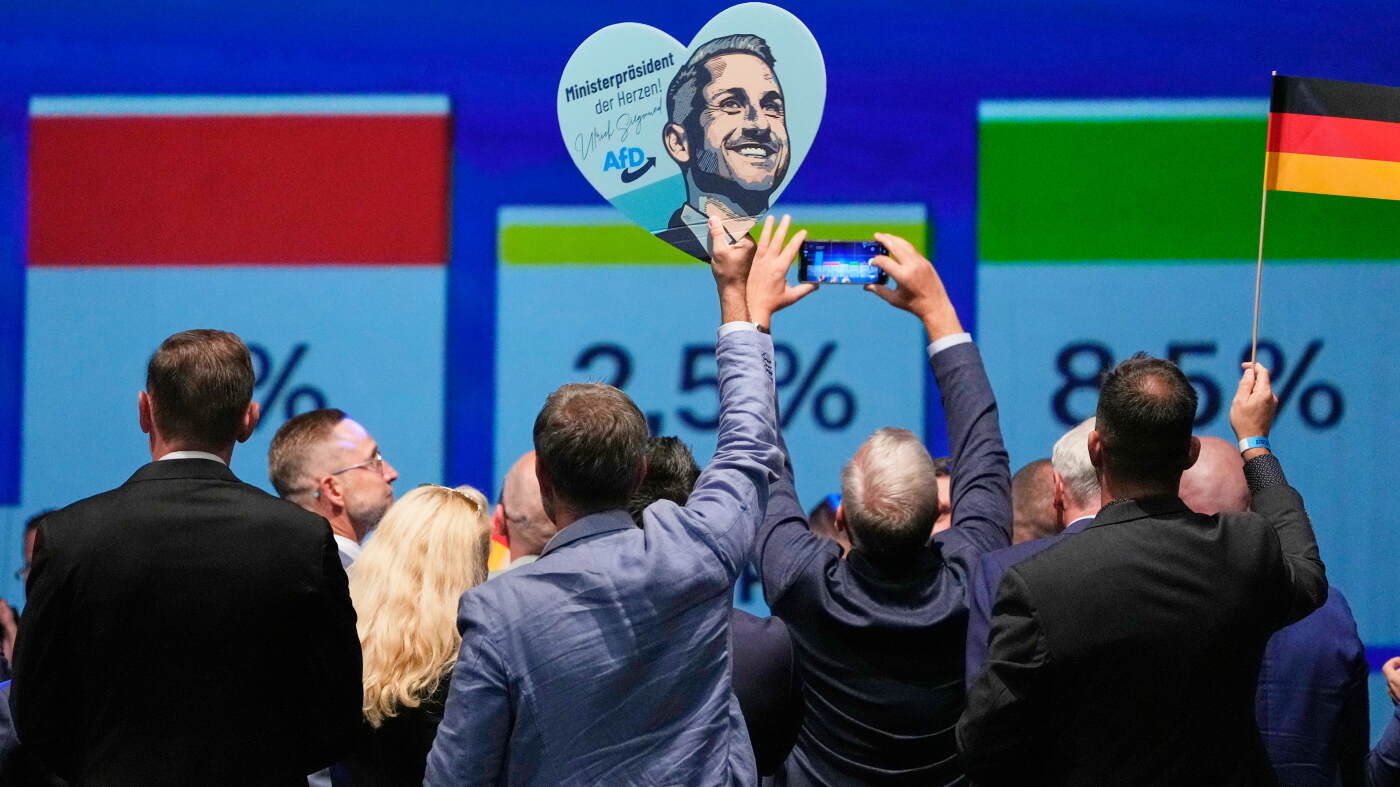
The candidate's advancement comes amid rising support for far-right parties across Germany, particularly in eastern states where the Alternative for Germany (AfD) and more extreme groups have gained significant traction in recent years. Political analysts have noted that economic disparities between eastern and western Germany, combined with concerns about immigration and cultural change, have contributed to growing receptiveness to far-right messaging in these communities.
German security services and democratic institutions have been monitoring the activities of neo-Nazi groups with increasing concern, as these organizations have become more sophisticated in their political messaging and organizational capabilities. The prospect of a neo-Nazi candidate winning a mayoral election represents a potential turning point that could legitimize extremist movements and encourage similar candidacies in other communities across the country.
The runoff election is being watched closely by political observers throughout Germany and Europe, as the result could signal whether the post-war consensus against neo-Nazi political participation is beginning to erode. A victory would mark the first time since the Nazi era that such a candidate has won executive political office, potentially opening the door for similar candidates in other municipalities and representing a fundamental shift in German political norms that have held firm for nearly eight decades.