The AfD Is Polling at 41% in Saxony-Anhalt Two Days Before the Vote. The CDU Is at 24%
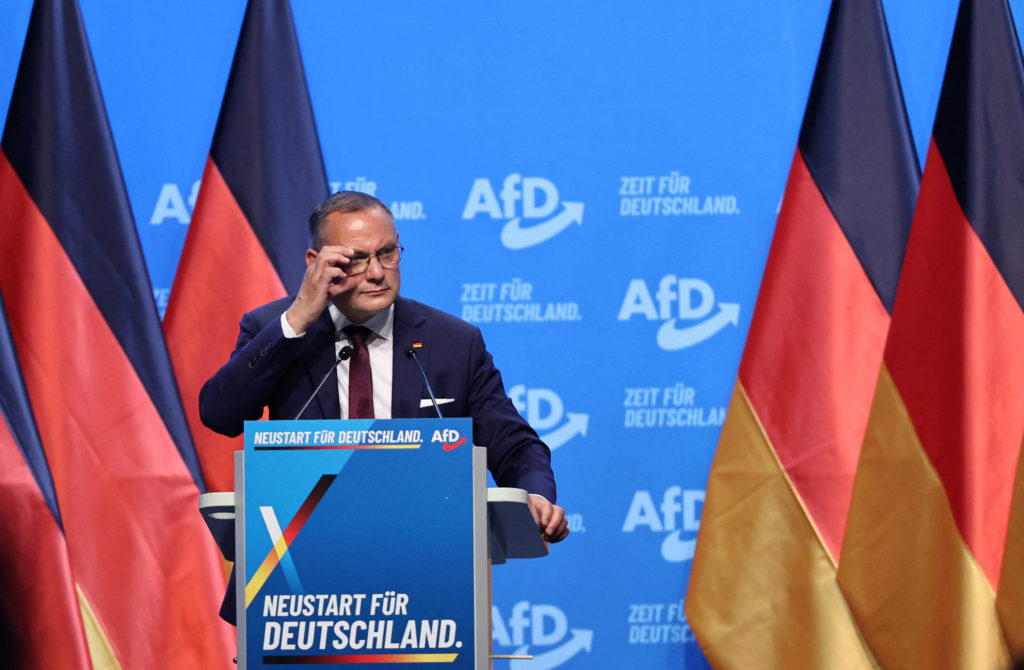
Ulrich Siegmund, 35, could become the first far-right state premier in Germany's postwar history. Every party but one has refused to govern with him, which makes an outright majority his only route.
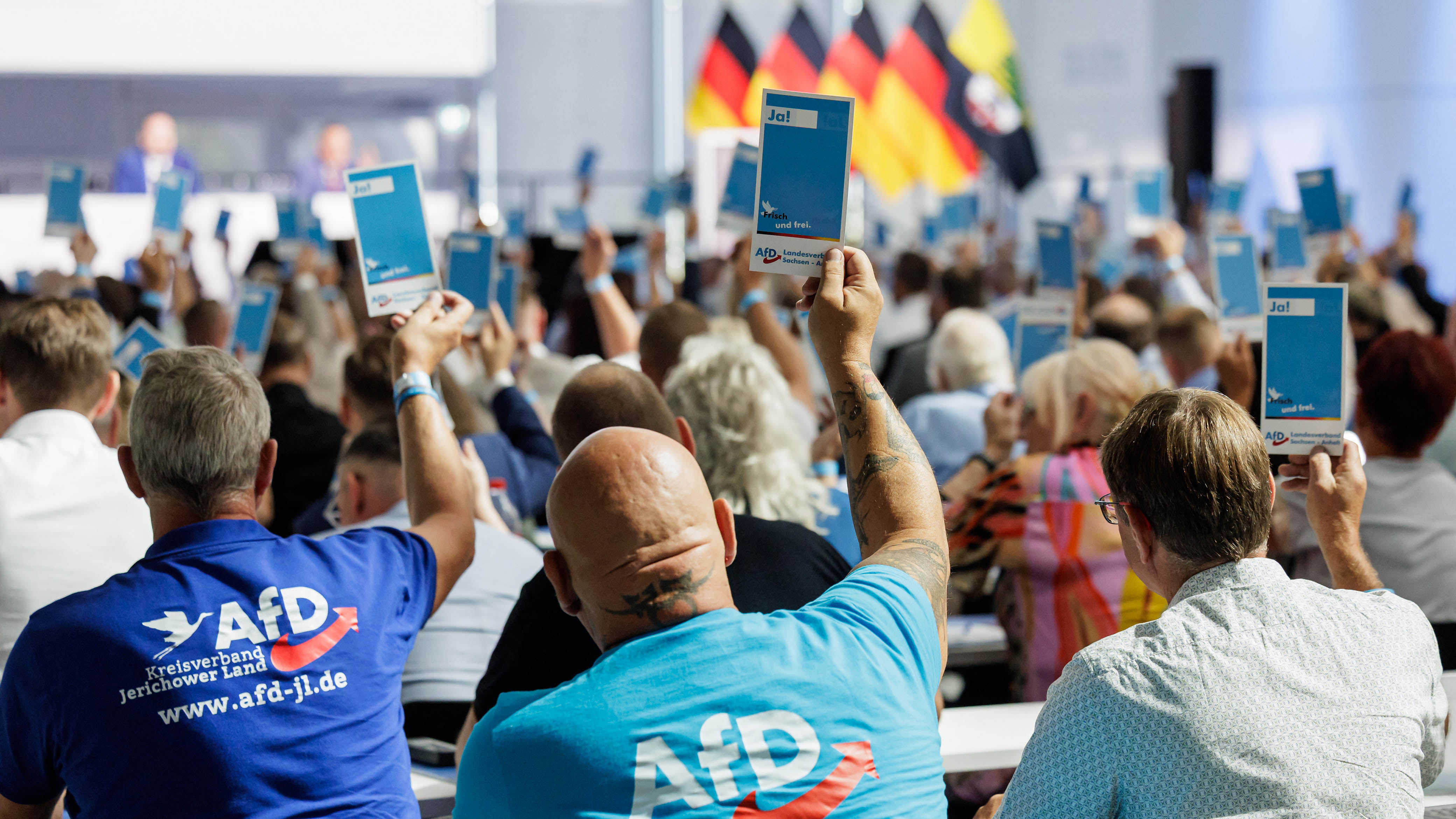
Saxony-Anhalt votes Sunday, and the polling has been stable enough for long enough that German politics has spent the week arguing about the aftermath rather than the result. Alternative for Germany stands at roughly 41 percent. The Christian Democratic Union, which has governed the eastern state since reunification, stands at 24 percent. If those numbers hold, the AfD will not merely win — it may take an absolute majority of seats in a state parliament, something no far-right party has done in Germany since the Second World War.
The party's candidate for minister-president is Ulrich Siegmund, who is 35 and has spent months working village halls and market squares across a state of 2.12 million people. He has also built a following that dwarfs conventional German campaigning: more than 707,000 TikTok followers, a platform where he presents the AfD as ordinary and community-minded while the party's actual platform remains what the domestic intelligence service says it is. The regional office of the Federal Office for the Protection of the Constitution has formally designated the state branch as right-wing extremist.
Every other party in the race has refused to enter a coalition with the AfD, with the single exception of the pro-Russian Bündnis Sahra Wagenknecht. That refusal — the Brandmauer, or firewall — has held at every level of German politics since the AfD's founding. It also means that anything short of an outright majority likely leaves Siegmund in opposition again, with the CDU assembling a coalition of everyone else. The arithmetic turns on Germany's 5 percent threshold: each small party that falls below it redistributes seats among those that clear it, and in a fragmented field that can convert 41 percent of the vote into more than half the chamber.
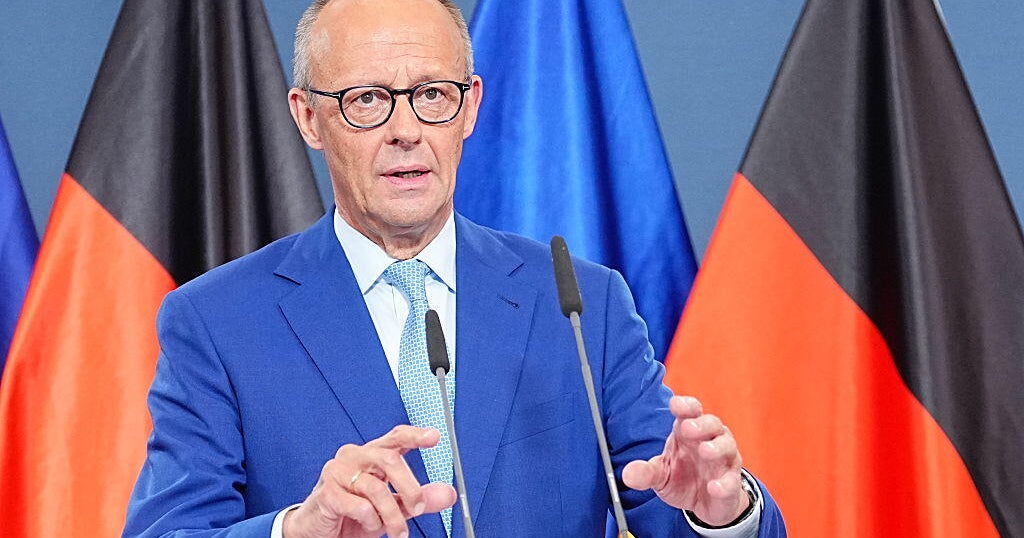
The incumbent CDU-SPD coalition is polling at 17 percent approval. The state has spent three decades losing young people to the west and watching industrial employment thin out, and Chancellor Friedrich Merz's federal government has not reversed either trend. Siegmund's campaign has folded migration, energy prices and pandemic-era resentment into a single argument about a political class that does not live where its decisions land.
A win of this size would not stay in Saxony-Anhalt. It would give the AfD its first executive power anywhere in Germany, along with the appointments, budgets and police oversight that come with a state government, and it would arrive before further state elections in which the party is already competitive. European officials have been blunt about the wider stakes: a governing AfD would complicate German positions on Ukraine funding and on defense coordination inside the EU, at a moment when Berlin's commitments underwrite both.
The firewall has never been tested against a party that could simply win outright, which is what makes Sunday different from every previous AfD surge. Refusing to share power with a party is a strategy available only when that party needs a partner.