Swimmer Lewis Pugh Crosses Strait of Hormuz as Tankers Are Hit Nearby
The U.N. Patron of the Oceans swam about 9.3 miles over three days to draw attention to the war's toll on wildlife. Minutes into the first swim, he heard two explosions from a stricken oil tanker.
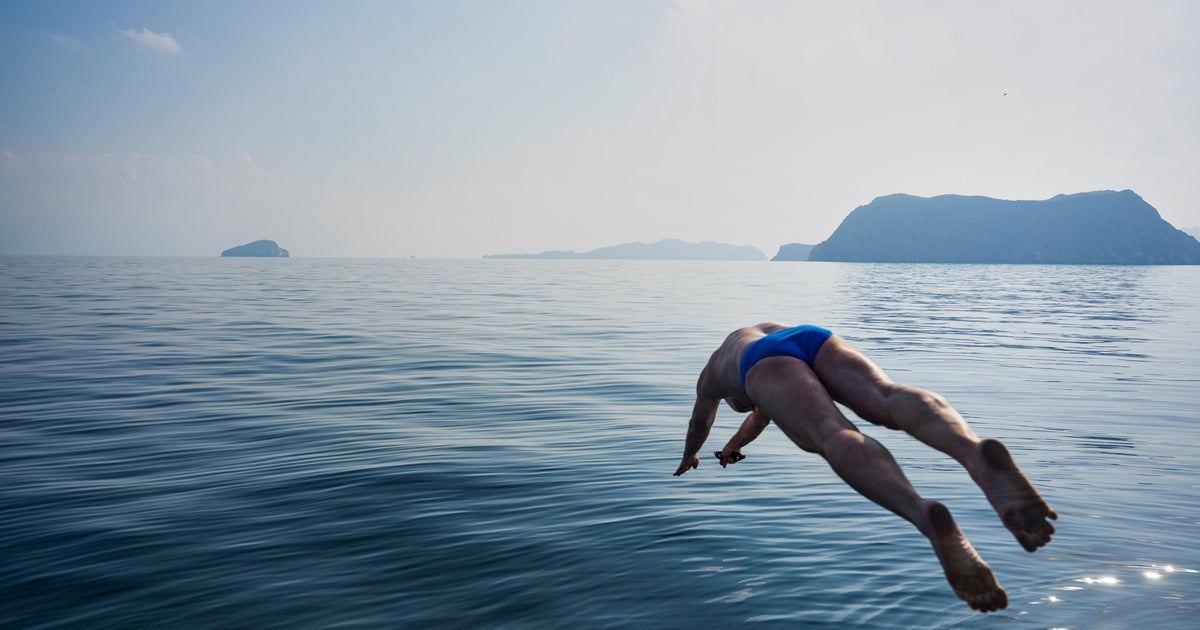
British endurance swimmer Lewis Pugh has swum at the North Pole and in Antarctica to draw attention to environmental causes. Battling freezing water did not prepare him, he says, for his latest challenge: swimming the Strait of Hormuz while tankers are attacked and blown up nearby.
Pugh, 56, a United Nations Patron of the Oceans, spent three days this week swimming parts of the waterway to highlight how the war with Iran threatens the area's habitat and wildlife. Wearing only swimming trunks, goggles and a cap bearing the U.N. logo, he started from the Musandam Peninsula at the southern tip of the strait and finished by rounding the Cape of Hormuz, covering about 9.3 miles in total. He is believed to be the first person to attempt a long-distance swim there since the war began.
"I looked up and I could see that an oil tanker about four kilometers away had been hit," Pugh told The Associated Press after returning to London, describing the first minutes of his swim on Monday. "The explosion was so loud, two booms, and then fighter jets coming in. And at that moment I realized we have to get out of here right now." He completed the swim after more stops and starts, including passing another vessel that sent fireballs into the sky after it was attacked.
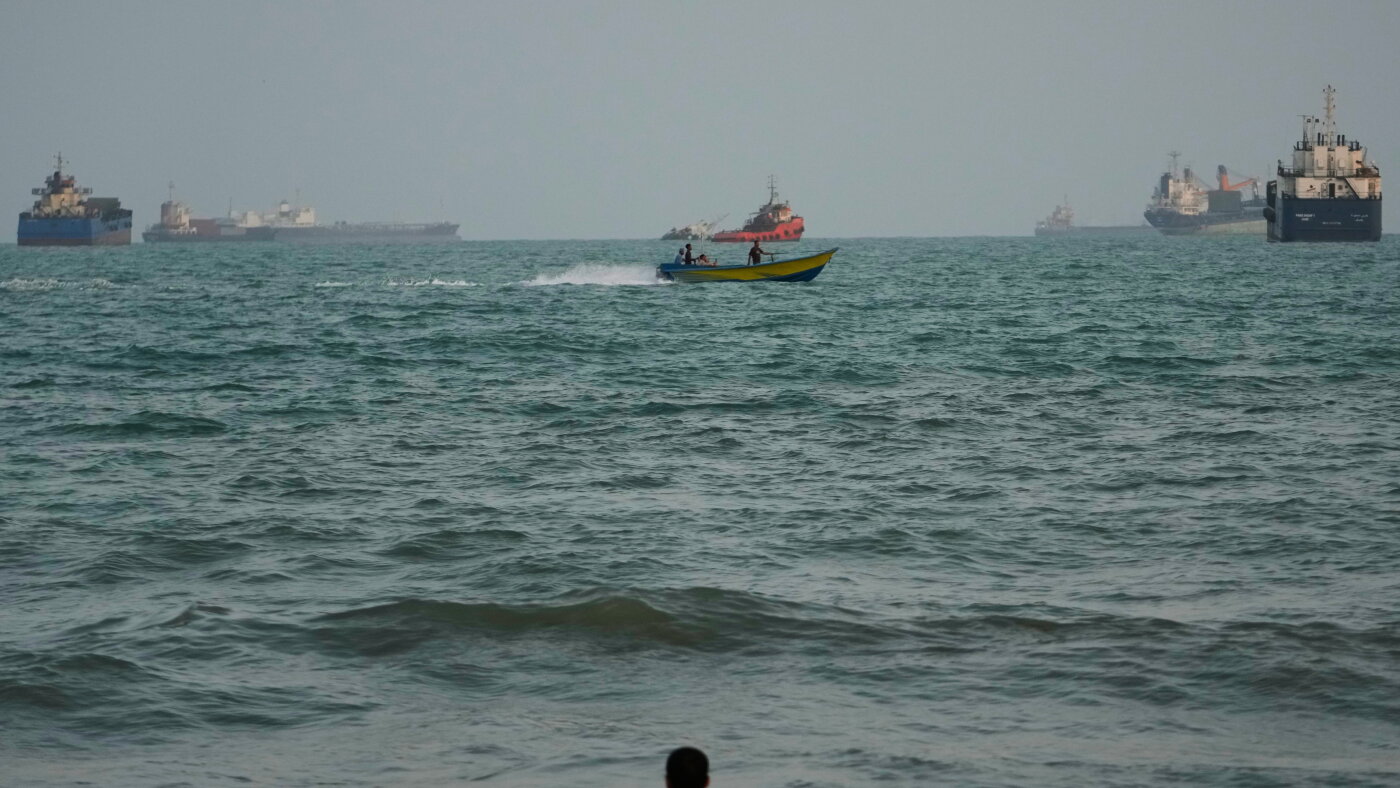
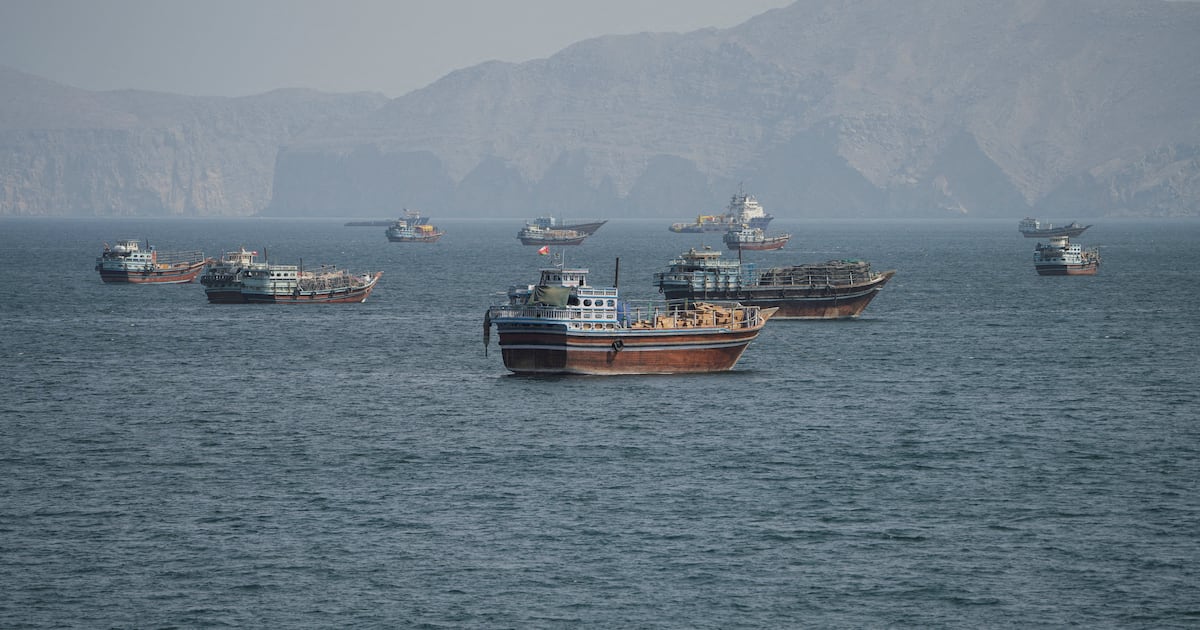
The strait carried a fifth of all oil traded worldwide before the U.S. and Israel launched the war on Feb. 28. Iran has in recent weeks stepped up attacks on vessels it claims traveled along unauthorized routes as it seeks to impose control over the waterway. Several tankers have also struck sea mines laid by Tehran, in some cases exploding and bursting into flames. One of them, last month, was carrying more than 2 million barrels of oil.
Pugh's concern is what that leaves behind. He warned that oil leaking from the dozens of tankers damaged since February could create lasting problems for animals and for coastlines, coral reefs and mangrove forests. "Most people, when they think about the Strait of Hormuz, they think of a shipping lane," he said. "But it is also one of the most beautiful places I have ever been … it's one of the treasure troves of the natural world."
He described large numbers of dolphins following his boat as he sailed in, along with turtles and ospreys. Before the war, he said, he marveled at hundreds of turtles during a swim along the Omani coast. "With all these ships being sunk, this area is under severe threat," he said. "It's going to take years, decades for this area to recover."
Pugh also stressed how hard a spill would be to reverse. "When oil gets in there, when chemical pollution gets in there, it becomes very, very difficult to clean up that type of mess," he said. "It lasts for generations."
Months of indirect talks between the U.S. and Iran have failed to produce a ceasefire that would reopen the strait, leaving the shipping lane and the marine life around it caught in the middle of the fight.