Mystery Bacteria Found Lurking Inside One of the Ocean's Most Elusive Whales
Scientists sifting through two decades of stranding records discovered three never-before-seen strains of Helicobacter in the stomachs of pygmy sperm whales, tied to ulcers and gastric disease.
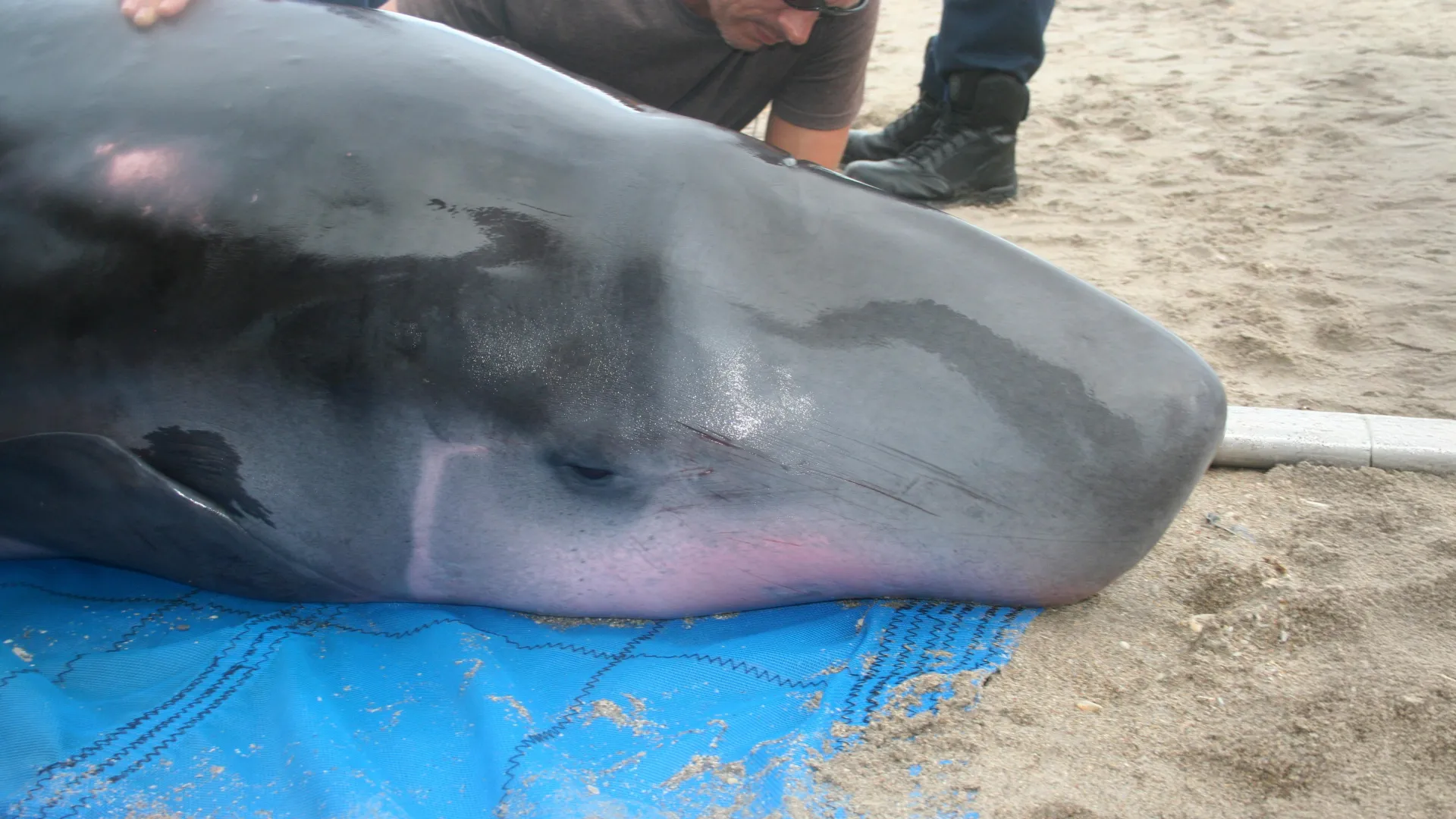
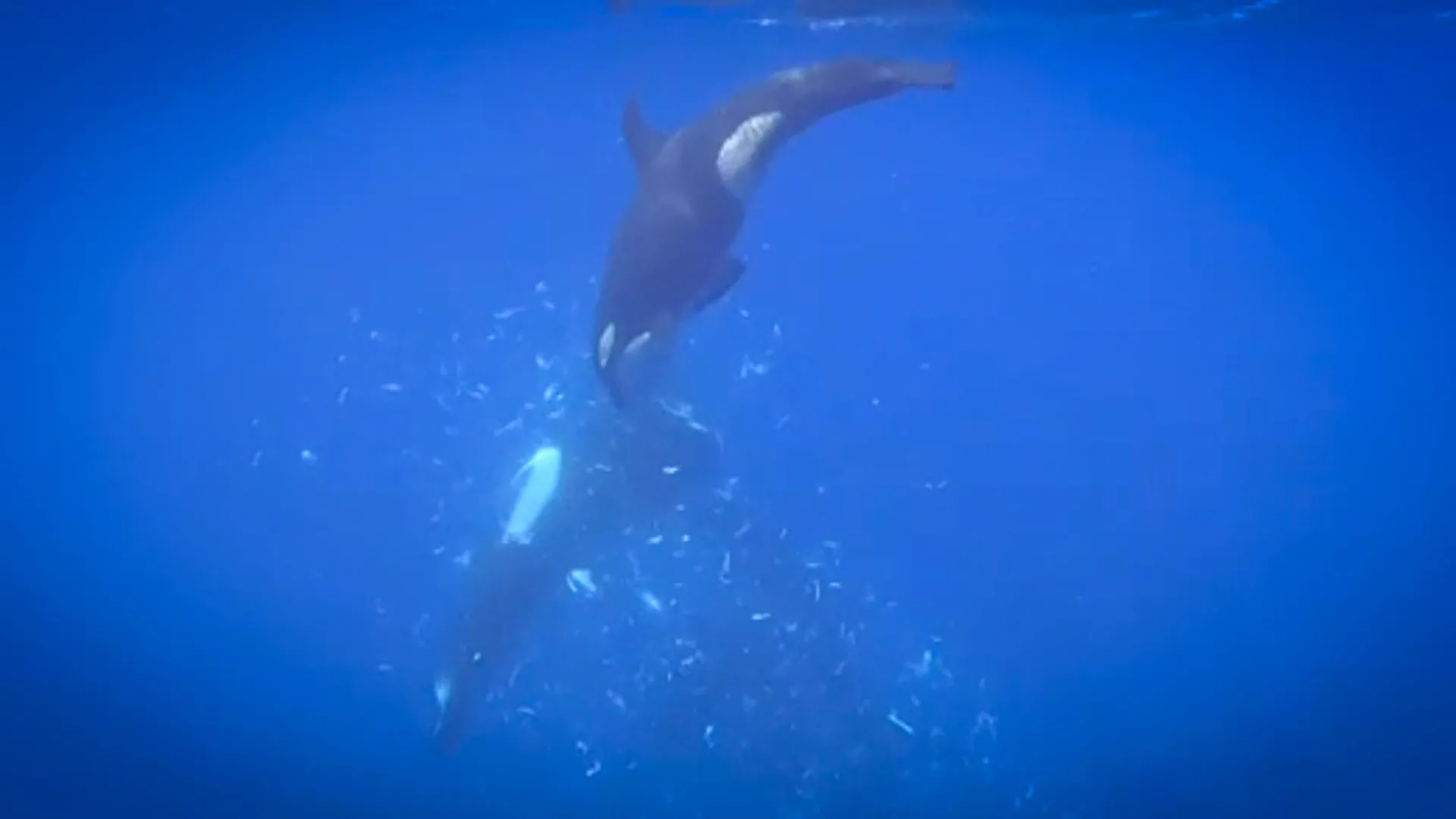
Pygmy sperm whales are among the least-understood creatures in the sea — small, deep-diving cetaceans so rarely observed alive that most of what scientists know comes from the animals that wash ashore. Now researchers picking through two decades of those strandings have found something new hiding inside them: three previously unknown types of bacteria, linked to serious disease in the whales' stomachs.
The discovery came from the Harbor Branch Oceanographic Institute at Florida Atlantic University, where scientists analyzed tissue samples from pygmy sperm whales that stranded along the coast between 1999 and 2020. Using a combination of histopathology, molecular diagnostics and DNA sequencing, the team identified three new genotypes of Helicobacter — the same genus of spiral-shaped bacteria that, in humans, is notorious for causing stomach ulcers. They named the strains Kogia Helicobacter 1, 2 and 3.
It is the first time these bacteria have been documented in pygmy sperm whales, and the findings suggest the microbes may be taking a toll. In the animals examined, the bacteria were associated with visible gastric damage, including ulcers, inflammation and fibrosis — the thickening and scarring of tissue. All four of the infected whales in the study showed serious digestive problems, among them inflammation, ulceration, scarring and parasite infestations.
Researchers were careful to note the limits of what they can conclude. Although the bacteria were found alongside significant disease, they have not been confirmed as the cause of the whales' deaths, and untangling cause from coincidence in wild animals is notoriously difficult. Strandings can result from many overlapping factors, and a sick stomach is only one piece of a larger puzzle.
Understanding what ails these animals also has practical value. Stranded whales are often studied as sentinels of ocean health, their bodies reflecting the pollutants, pathogens and stresses moving through the marine environment. A newly recognized group of disease-linked bacteria adds another variable scientists must account for when trying to determine why a whale beached, and whether human-driven changes to the ocean are playing a role.
Still, the work opens a window into the hidden health of a species that scientists almost never get to study. The findings, published in the Journal of Wildlife Diseases, add to a growing understanding that marine mammals harbor their own distinctive communities of microbes — some benign, some harmful — that can shape their health in ways researchers are only beginning to map. For animals as cryptic as the pygmy sperm whale, each stranded body offers a rare and valuable clue about lives spent almost entirely out of human view.