Labor Department Proposes Five Job Searches a Week for Americans Collecting Unemployment
Only four states require that many today. Worker advocates say the rule would be hard to meet and costly for states to run, while the department calls it a matter of consistency.
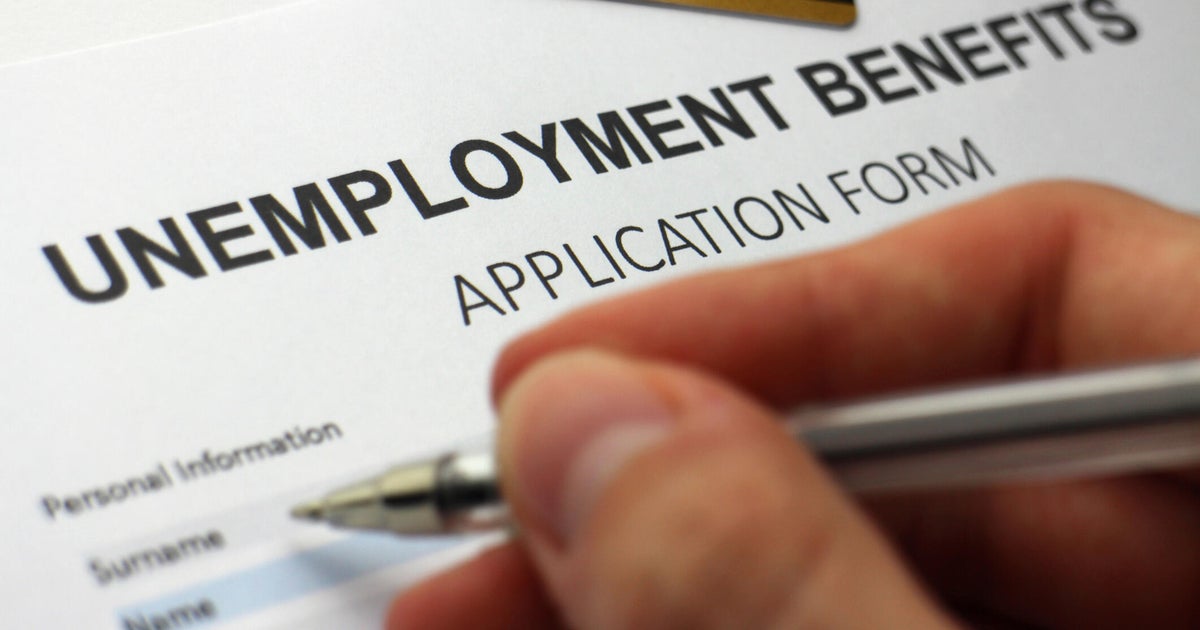
The Trump administration has proposed stiffer rules for Americans seeking unemployment benefits that would require them to complete at least five unique work searches every week to qualify. The proposed Labor Department regulation was announced on Nov. 9 and set to be published in the Federal Register the next day, CBS News reported.
Under current rules, many states require two to three qualifying work searches per week. Only four states ask for five, and some require just one work search activity. A national minimum would override that patchwork for people applying for or collecting jobless aid.
The administration says the change is needed to make eligibility requirements consistent across the country. A national minimum weekly standard would "improve program integrity and strengthen labor market attachment," the department said in its proposal. It added that the action is "necessary to reduce inconsistencies beyond those created by local labor markets in State-level requirements," and to "hold States accountable" for administering a program meant to provide temporary wage replacement while people look for work.
The proposal defines what counts. Contacting a prospective employer would qualify, and so would registering with or contacting a job placement agency or a union. States could designate other activities as well. They could also adjust the weekly threshold for local labor market conditions through a points-based system, in which applicants earn points for qualifying activities and must accumulate at least five points in each benefit week.
Labor advocates objected quickly. "Not only is the proposed change devastating to claimants who may not have five search options for every week they are unemployed, but it will likely cost states hundreds of thousands of dollars," Michele Evermore, senior director of economic security and worker transitions at the National Employment Law Project, said in a statement to CBS News. "Nearly all states will have to change their claimant intake forms, and with it, their technology — a costly fix."
Evermore also said the rule would disadvantage applicants who already struggle to navigate unemployment systems. Employers, she said, "want candidates enthusiastic about their job opportunities, not ticking boxes for the work search form."
The Labor Department acknowledged the policy could temporarily raise costs as states and applicants adapt. It argued the benefits outweigh that expense, saying inconsistent rules "can create confusion for individuals, lead to uneven enforcement when allowable activities are not clearly defined, and increase the likelihood that otherwise eligible individuals may fail to meet requirements simply because expectations are unclear." The department also said variation in how states notify people about work search requirements can lead applicants to pursue activities that do not help them get re-employed.
The public has 60 days after publication to comment on the proposal, and the department can revise it before issuing a final rule. The timing is notable. The proposal arrived days after a jobs report showed employers added 165,000 jobs in October, well above forecasts, with the unemployment rate falling to 4.1%. It also lands as incoming Democratic majorities in Congress prepare to take up cost-of-living issues in 2027.
States that now ask for fewer searches would have to rewrite their requirements if the rule takes effect as proposed.