With AI Layoff Fears Rising, Wyden Joins Push for 52 Weeks of Jobless Benefits
Four bills in Congress would retrain displaced workers, tax AI companies or force firms to report AI-driven layoffs, as polling shows near-universal support for worker protection.
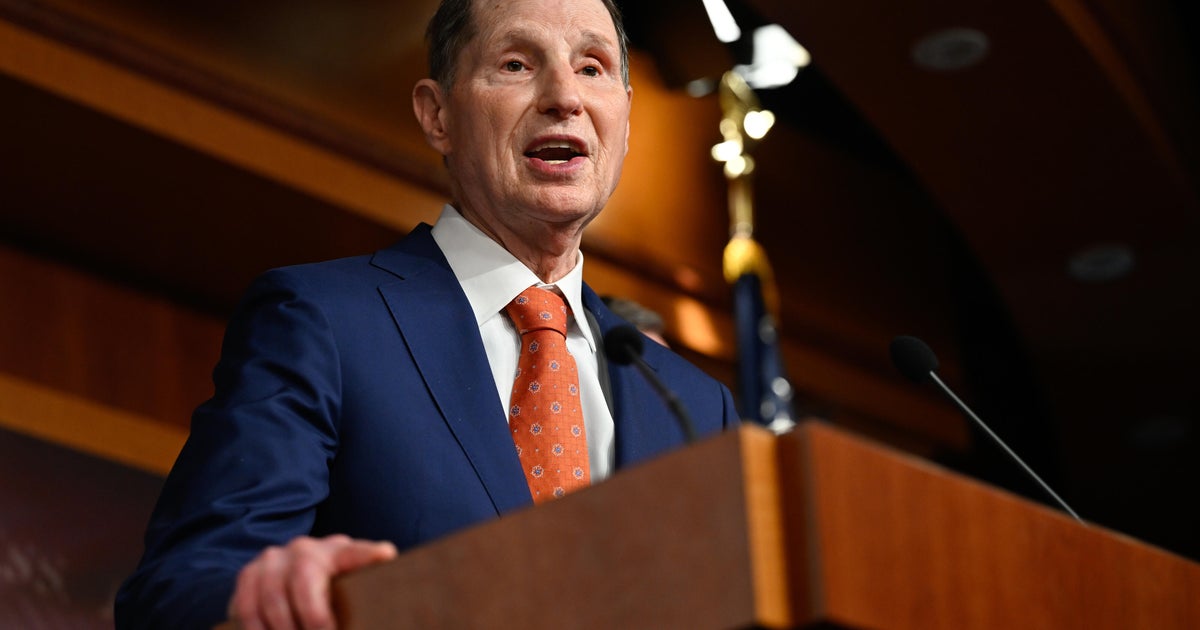
Sen. Ron Wyden, an Oregon Democrat, joined a growing push in Congress on Friday to build a bigger safety net for workers who lose their jobs to artificial intelligence. His Stability and Opportunity for Workers Act would stretch unemployment benefits to 52 weeks if the national jobless rate reaches 8.5%, double the current maximum of 26 weeks.
The bill would also pay for education and retraining so workers displaced by AI can move into higher-paying jobs. It is one of several proposals that have appeared as fear of AI-driven layoffs spreads. An AP-NORC poll taken earlier this month found nearly 80% of Americans say protecting workers in the AI age is extremely or very important.
The warnings have come from the top of the industry. Anthropic CEO Dario Amodei told Axios last year that AI could eliminate half of all entry-level white-collar jobs and push unemployment to 10% to 20% within one to five years. Microsoft co-founder Bill Gates said in a recent essay that AI could put millions of jobs at risk.
The data have not caught up with the predictions. Economists note that AI has not yet caused major workforce displacement and that most AI-related layoffs so far are concentrated in the tech industry. Lawmakers are writing bills anyway, and most are from Democrats.
Sen. Mark Kelly, an Arizona Democrat, introduced the Make AI Work for Americans Act last month. It would create three excise taxes on the AI industry: a 5% tax on digital advertising revenue, an AI usage tax and a 50% excess profits tax. The money would go into a fund for retraining displaced workers, among other uses.
In August, Democratic Reps. Greg Casar of Texas, Valerie Foushee of North Carolina and Sara Jacobs of California introduced the AI Tax and Work Protection Act. It would tax AI companies based on token usage, with the rate rising if unemployment rises, and Casar's office says the funds would create jobs to offset AI-related layoffs.
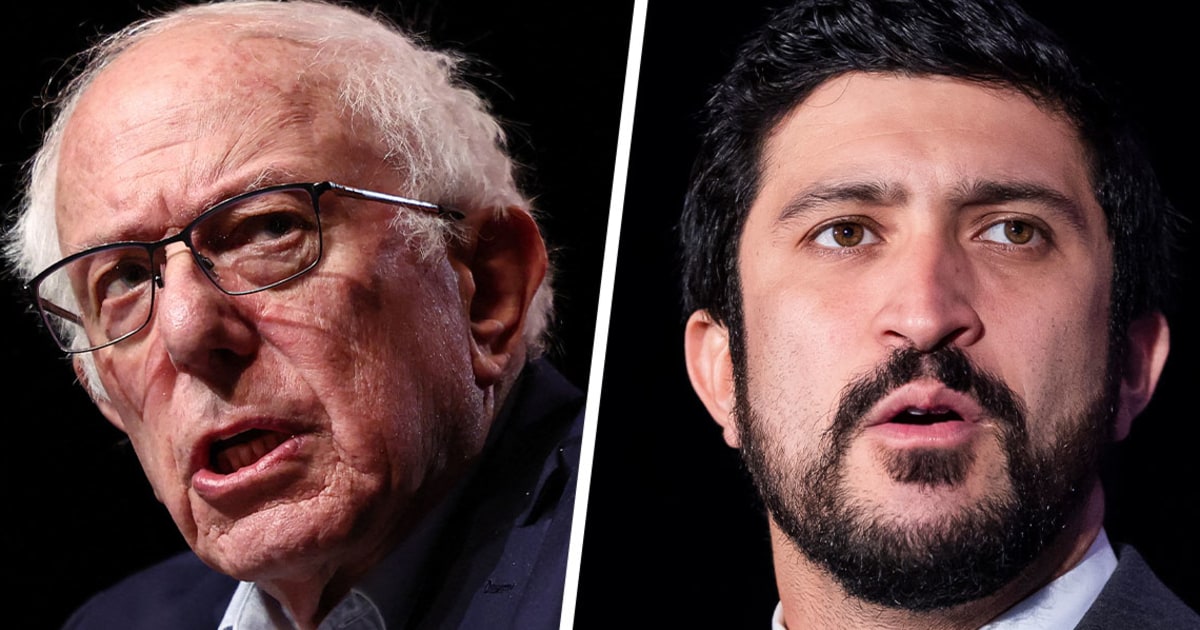
The one bipartisan effort is the AI-Related Job Impacts Clarity Act, introduced last year by Sen. Mark Warner, a Virginia Democrat, and Sen. Josh Hawley, a Missouri Republican. It would require major companies and federal agencies to report AI-related layoffs to the Department of Labor, which would publish the data. A House version was introduced in July by Democratic Reps. Steven Horsford of Nevada and Jacobs, along with James Moylan, the House delegate for Guam.
None of the bills has passed either chamber. With the midterms days away and Congress focused elsewhere, the more ambitious tax proposals face steep odds. But the reporting requirement, which would give lawmakers their first hard numbers on whether AI is really costing jobs, has the broadest appeal.