Growing Independence Movements Challenge American Unity as Political Dialogue Breaks Down
From Cascadia to Greater Idaho, regional separatist movements are gaining momentum amid national polarization and constitutional tensions.

A wave of independence and secession movements is gaining strength across the United States as political divisions deepen and prospects for national dialogue appear increasingly remote. From the Pacific Northwest's Cascadia independence movement to Greater Idaho's border redrawing efforts, Americans in various regions are exploring radical alternatives to remaining in an increasingly polarized union.
The movements represent a fundamental challenge to American political unity at a time when even basic political communication between opposing sides has become difficult. Activists and political scientists point to the breakdown in democratic norms and the inability of traditional political institutions to bridge ideological divides as driving factors behind the growing interest in political separation.
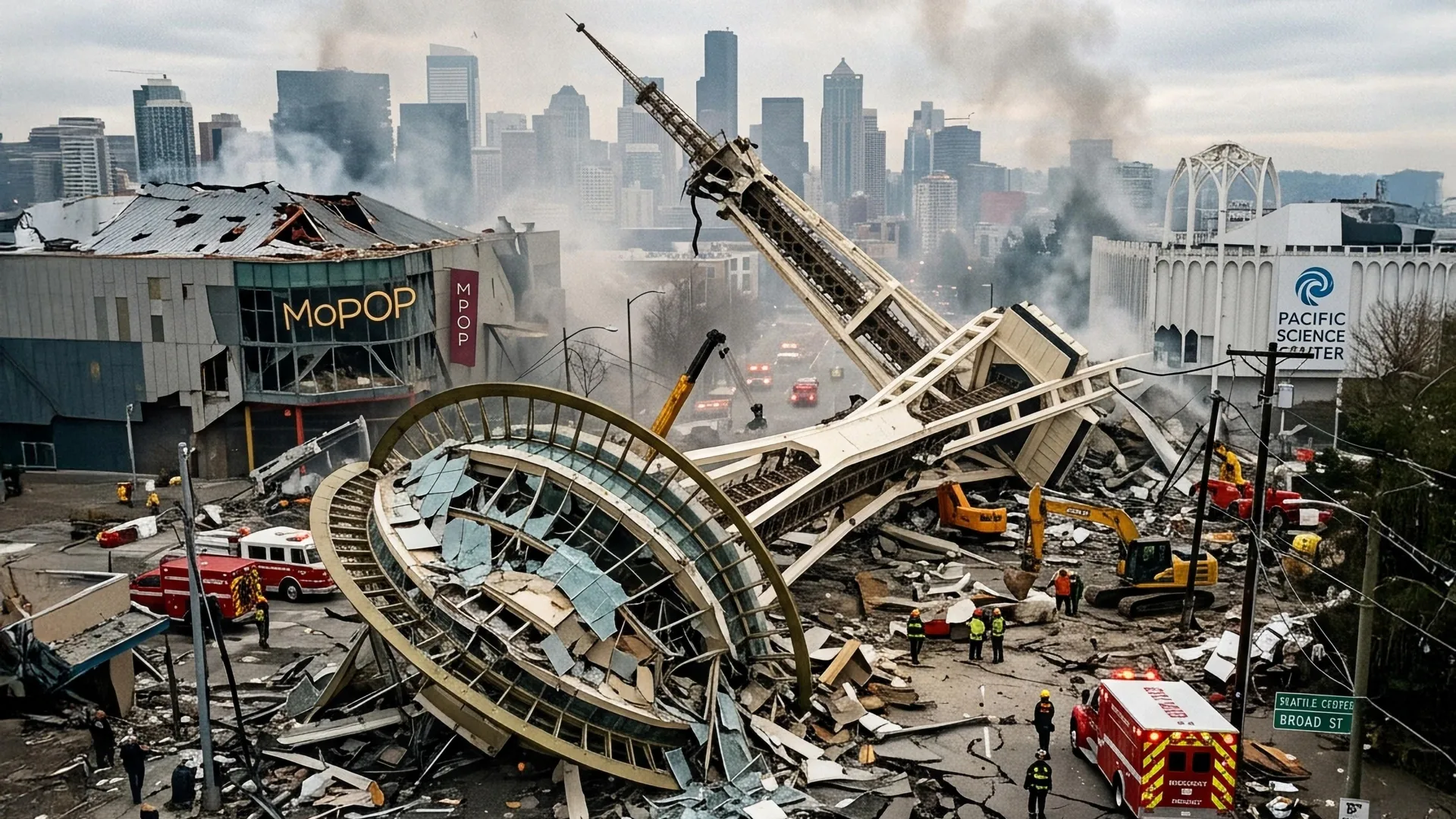
Cascadia, which would encompass parts of Washington, Oregon, and potentially Northern California, has attracted support from residents who feel disconnected from federal politics and believe their values are incompatible with national political trends. Similarly, the Greater Idaho movement seeks to redraw state boundaries to create larger conservative enclaves, reflecting a desire among rural communities to separate from more liberal urban centers.
These movements go beyond traditional state-level political disagreements, representing a fundamental questioning of whether the current federal system can accommodate the nation's deep regional and ideological differences. Legal experts note that while secession movements face enormous constitutional and practical obstacles, their growing popularity reflects genuine concerns about political representation and governance.
The phenomenon highlights a broader crisis in American political culture, where compromise and dialogue have given way to zero-sum political battles. Political scientists warn that the normalization of separatist rhetoric, even if the movements themselves remain unlikely to succeed, could further erode the shared civic culture necessary for democratic governance. The movements' growth suggests that traditional political solutions may no longer be sufficient to address the underlying tensions driving Americans to consider such drastic alternatives.