Double Earthquake Threat: West Coast Fault Systems May Sync Up for Catastrophic 'Big One'
New research suggests the Cascadia subduction zone and San Andreas fault can trigger earthquakes within hours of each other, potentially hitting multiple cities simultaneously.
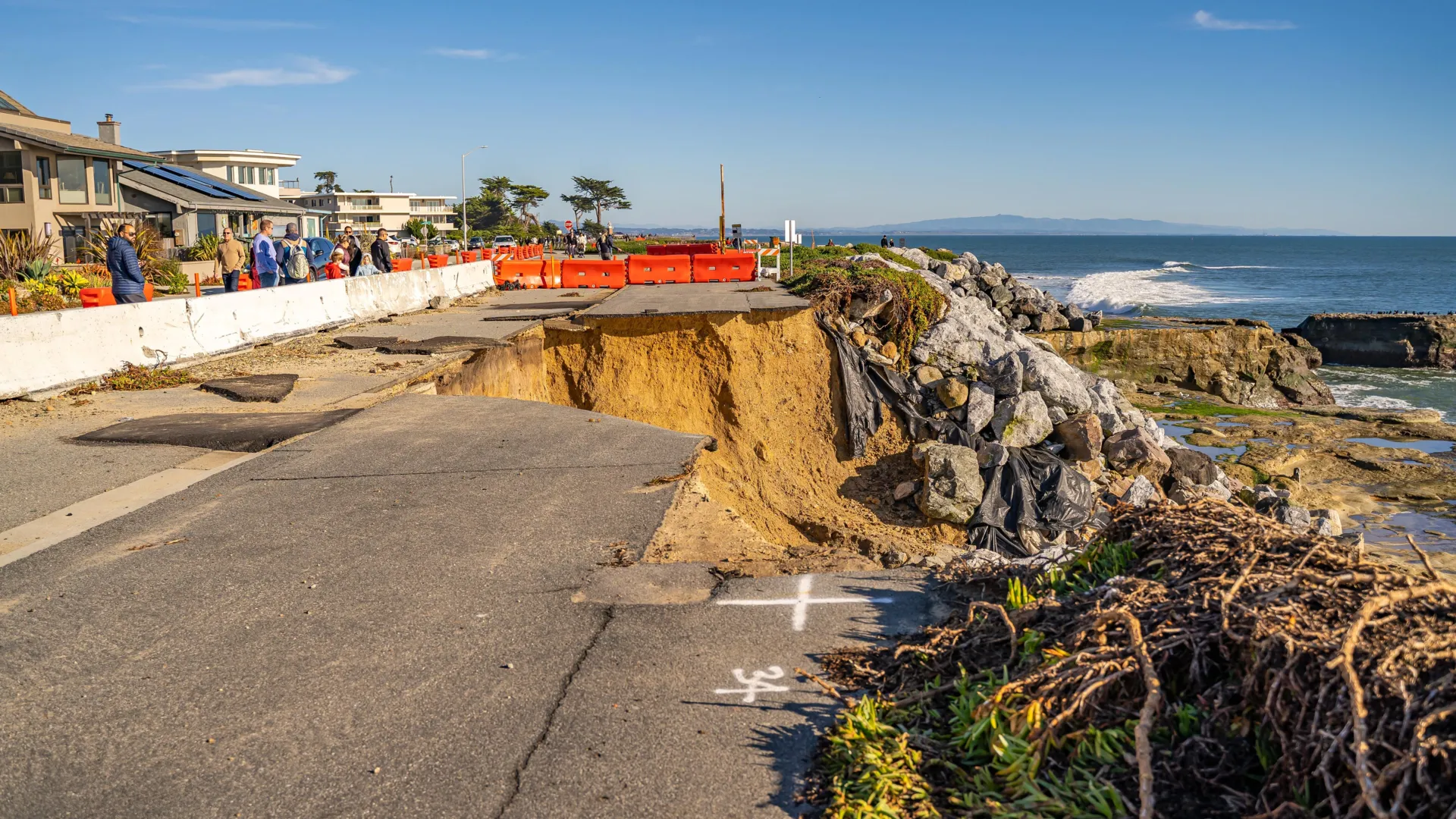
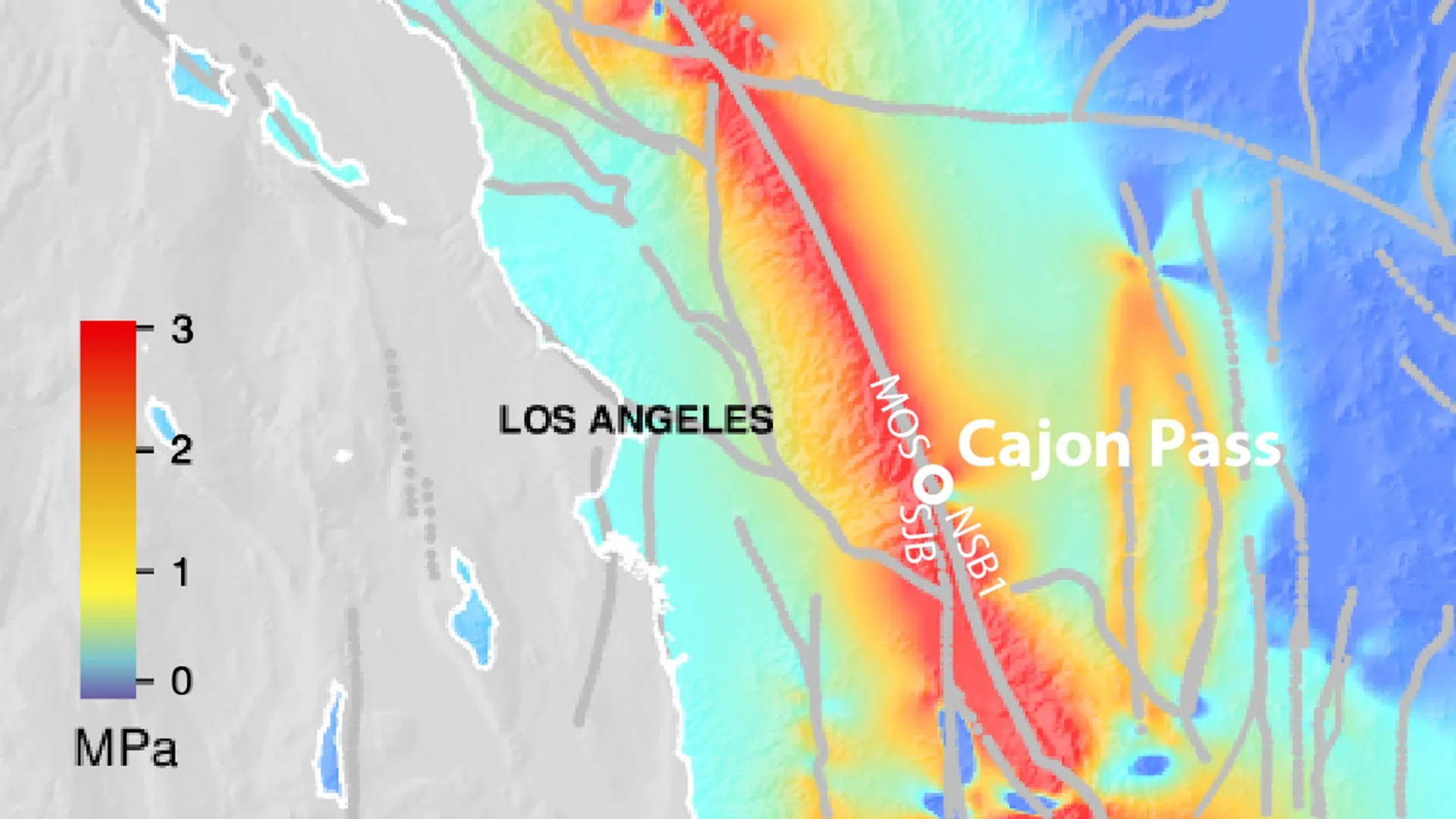
A groundbreaking study has revealed that two of the most dangerous fault systems along North America's West Coast—the Cascadia subduction zone and the San Andreas fault—may be more closely connected than previously understood, raising the alarming possibility of synchronized earthquakes that could devastate multiple major cities simultaneously. Research led by marine geologist Chris Goldfinger at Oregon State University suggests these fault systems could trigger each other, creating a disaster scenario far worse than the traditionally feared "Big One."
Using deep-sea sediment cores that preserve approximately 3,100 years of geological history, Goldfinger and his colleagues examined turbidites—layers of sediment left behind by underwater landslides typically triggered by earthquakes. By comparing turbidite patterns from areas influenced by both fault systems, the researchers identified striking similarities in structure and timing that point to potential synchronization between the Cascadia and northern San Andreas fault systems.
The research team identified three cases within the past 1,500 years, including the most recent event in 1700, where geological evidence suggests earthquakes on both fault systems occurred within minutes to hours of each other. While pinpointing exact timing between earthquakes on different faults remains challenging, the pattern suggests a connection that could dramatically amplify the scale of West Coast seismic disasters.
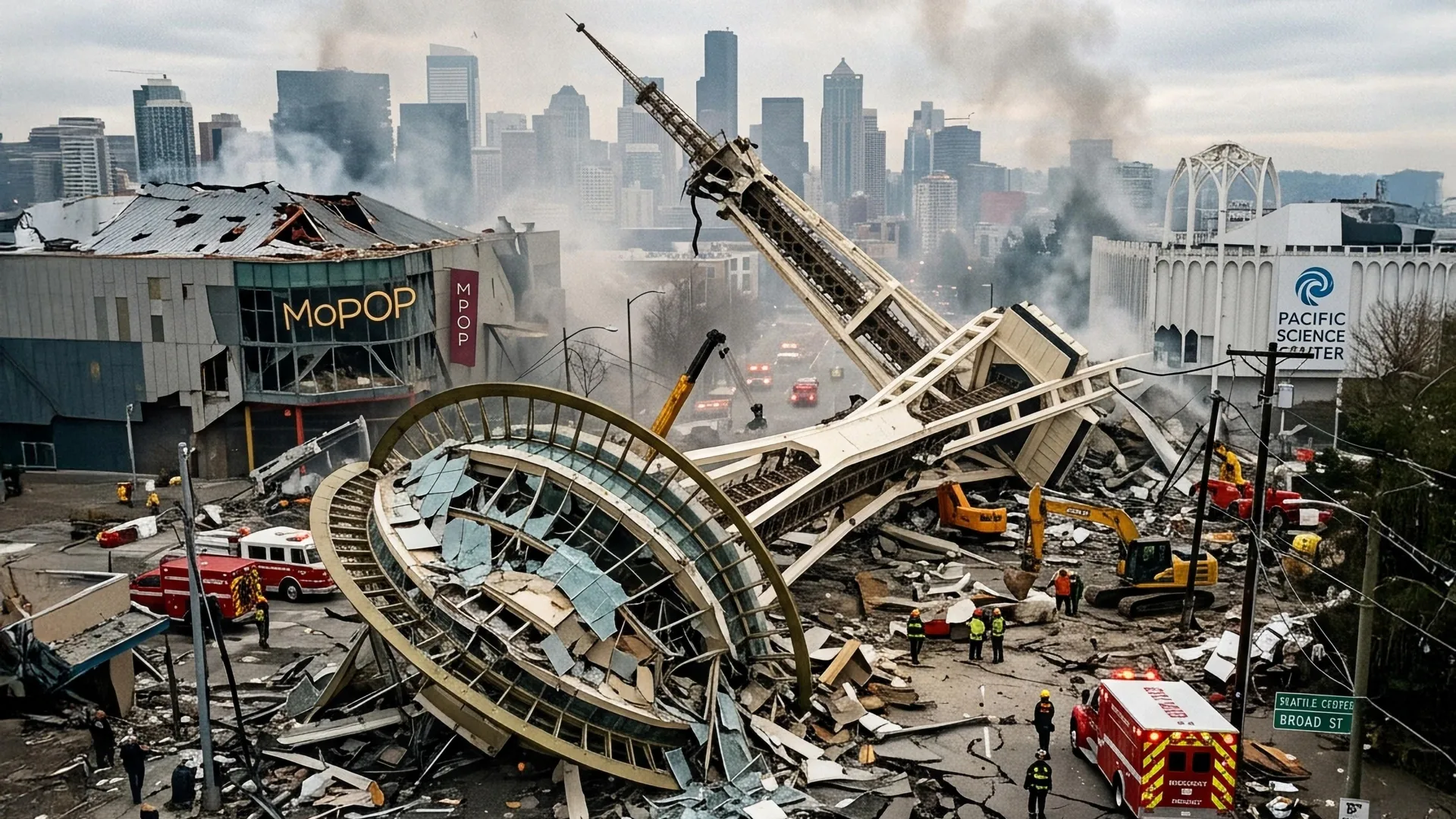
"We're used to hearing the 'Big One'—Cascadia—being this catastrophic huge thing," Goldfinger explained. "It turns out it's not the worst case scenario." The implications for emergency response are staggering, as current disaster planning assumes that resources from unaffected regions could be redirected to help areas hit by major earthquakes. If both fault systems activated simultaneously, cities including San Francisco, Portland, Seattle, and Vancouver could all face emergency situations within a compressed timeframe.
The discovery builds on decades of research, including a pivotal moment during a 1999 research cruise when Goldfinger's team accidentally drifted into San Andreas fault territory and discovered unusual sediment patterns suggesting synchronized seismic activity. The finding represents only the second documented example of synchronized major earthquakes worldwide, following the 2004 and 2005 Sumatra events that occurred three months apart. This research fundamentally changes how scientists and emergency planners must think about West Coast earthquake preparedness.