Supreme Court Rejects Lawsuit Over Commercial Driver's Licenses for Migrants
Florida officials had asked justices to hear lawsuit accusing California and Washington of improperly granting licenses to immigrant involved in fatal crash.
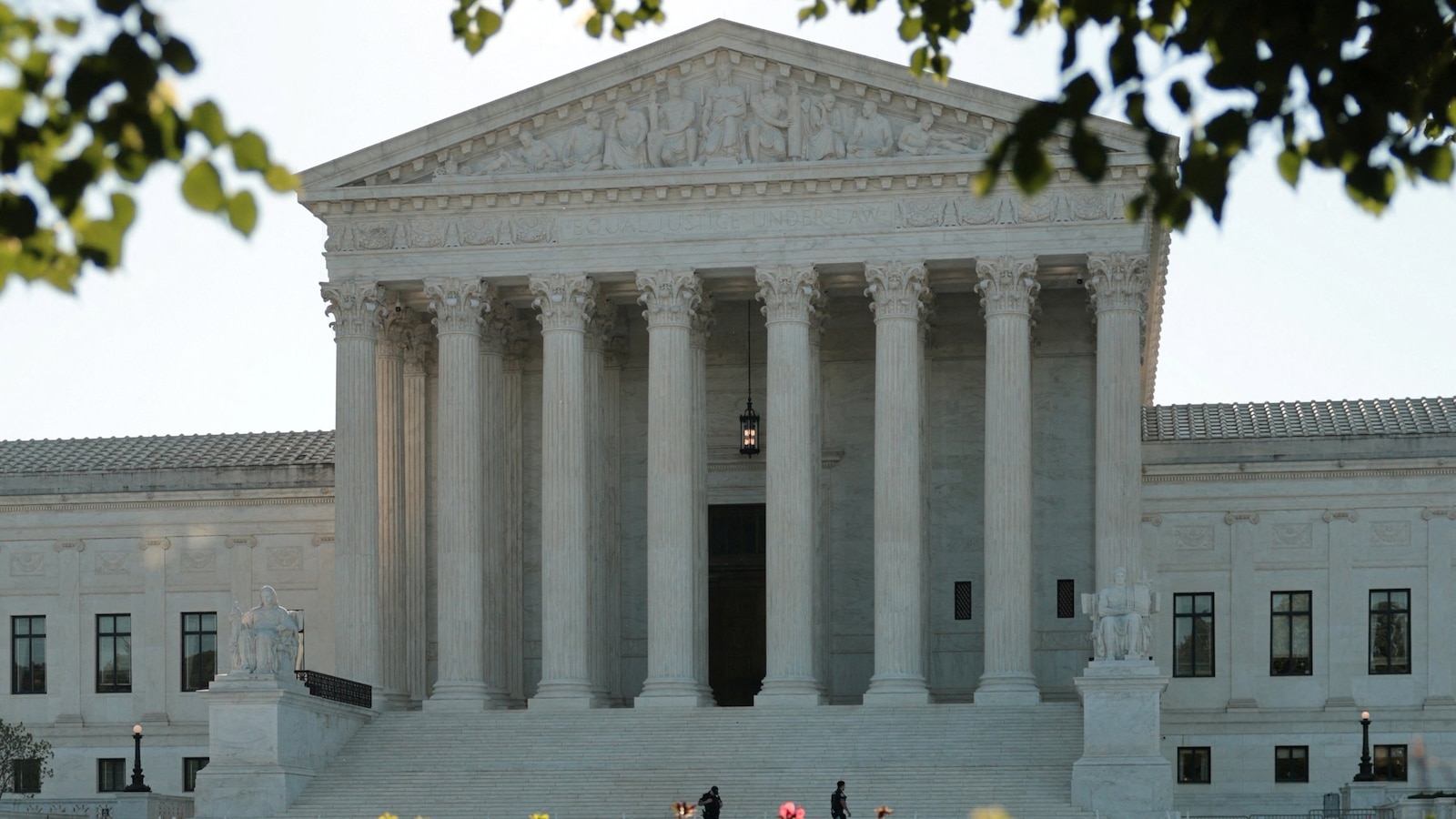
The Supreme Court on Tuesday rejected a lawsuit brought by Florida officials challenging California and Washington state policies that allow certain immigrants to obtain commercial driver's licenses. The case centered on accusations that the two states had improperly granted driving privileges to an immigrant who was later involved in a fatal traffic accident, raising questions about state authority over licensing requirements and immigration enforcement.
Florida officials had petitioned the Supreme Court to hear their lawsuit, arguing that California and Washington violated federal immigration law by issuing commercial driver's licenses to individuals without proper documentation status. The case specifically focused on an incident involving an immigrant who had received a commercial license and was subsequently involved in a deadly crash, which Florida authorities used to argue that the states' licensing policies created public safety risks.
The dispute highlights ongoing tensions between state and federal authority over immigration-related policies, particularly regarding driver's licenses. Multiple states have adopted varying approaches to licensing requirements for immigrants, with some allowing undocumented residents to obtain standard driver's licenses while others restrict access to commercial driving privileges. These policy differences have created a patchwork of regulations across the country.
California and Washington defended their licensing policies, arguing that allowing qualified immigrants to obtain commercial driver's licenses actually improves road safety by ensuring drivers are tested and trained according to state standards. Supporters of these policies contend that licensing requirements help ensure that all drivers on the road meet basic competency standards, regardless of immigration status, and that excluding immigrants from licensing systems can actually reduce public safety.
The Supreme Court's decision not to hear the case leaves the existing state policies in place and avoids a broader ruling on the intersection of state licensing authority and federal immigration law. The rejection comes amid broader national debates over immigration enforcement and the role of state governments in implementing or challenging federal immigration policies. Legal experts note that the Court's decision not to take up the case may reflect reluctance to wade into complex federalism issues involving immigration at this time.