Federal Judge Rules Law Banning Noncitizen Voting Unconstitutional; DOJ Moves to Appeal
Judge David Leibowitz in Miami wrote that Congress lacked the power to pass the federal statute, which leaves voter qualifications to the states.
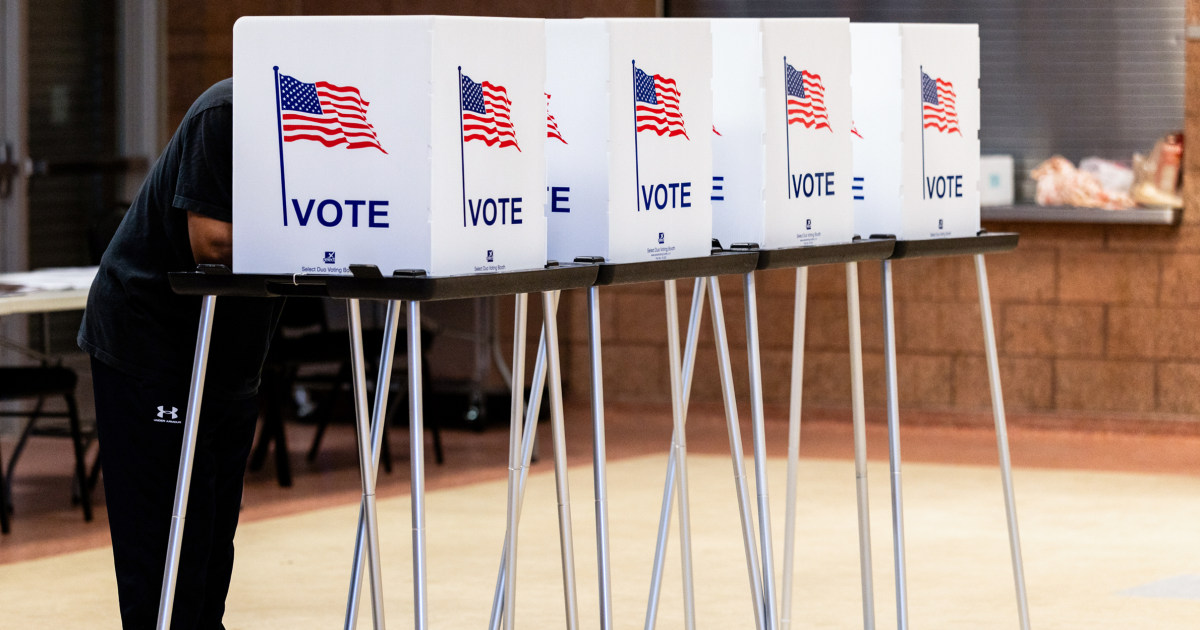
A federal judge in Miami has struck down the federal law that bars noncitizens from voting in U.S. elections, ruling that Congress had no constitutional authority to pass it. U.S. District Judge David S. Leibowitz issued the 31-page order on Thursday, October 1, in the case of a Jamaican woman charged with illegally voting in 2020. The Justice Department said it would appeal.
The defendant, Chelsea Cox, was charged in October 2025 with a misdemeanor under 18 U.S.C. § 611. Prosecutors say she overstayed a tourist visa more than two decades ago, got a Florida driver's license using a fraudulent U.S. Virgin Islands birth certificate, and voted in federal elections starting in 2012. The 2020 general election ballot led to the charge.
Leibowitz concluded that the Constitution gives states, not Congress, the power to set voter qualifications. He noted how unusual the question was. "Until very recently, no federal court has been presented with the following question about that statute: Did Congress have Constitutional authority to enact it? That's unusual, all by itself," he wrote. He said the government's defense was weak because it was the best it had: "the text, structure, and original public meaning of the Constitution show that Congress does not have the constitutional power to enact this statute."
The judge asked for help from Paul Clement, the solicitor general under President George W. Bush and one of the country's most prominent Supreme Court lawyers. In a friend-of-the-court brief filed this summer, Clement concluded that Congress likely overstepped in enacting the statute. He wrote that "states, not the federal government, determine voter qualifications." He acknowledged that no state currently lets noncitizens vote in federal elections, though some have done so historically.
The ruling is narrow. It technically applies only to Cox's case and does not touch a separate federal law that makes it a crime to falsely claim citizenship in order to vote, which the Justice Department has used recently, including in Minnesota cases. Leibowitz suggested that Florida prosecutors could pursue Cox under state law.
The decision lands in the middle of the Trump administration's push against noncitizen voting. The Justice Department has charged 16 people with illegal voting and related election offenses. President Trump has repeatedly claimed noncitizen voting happens on a large scale, though election experts say it is rare. A department spokesperson did not immediately comment on the ruling, but prosecutors moved quickly to appeal.
Cox's attorney, Bruce Udolf, said his client is "gratified" and called the ruling a "huge relief to her." He said he is working with the government to figure out next steps, including whether the administration will seek her deportation. The appeal now goes to the 11th Circuit, and the question of whether Congress can criminalize noncitizen voting in federal elections may ultimately end up at the Supreme Court.