Fossil Teeth in Southern China Reveal Denisovans and a Mystery Human Lineage
Proteins preserved in enamel extend the Denisovans' known range and point to a more primitive relative that may have survived into late Ice Age times.

BEIJING — Four fossil teeth from two caves in southern China point to at least two distinct kinds of ancient humans in the region, including Denisovans and a more primitive population that scientists cannot yet identify.
The study, published Nov. 25 in the journal Nature, examined teeth from Chuanshandong and Longchuandong caves in Guangxi, a landscape of limestone karst in the transition zone between subtropical and tropical China. The region has a rich record of Ice Age mammals but has yielded few human remains from the period.
Surveys that began in 2015 led to the recovery in 2021 of two premolars at Chuanshandong, possibly from a single person who lived at least 100,800 years ago. A premolar and a molar from Longchuandong were dated to 104,500 and 42,600 years ago, respectively. The work was carried out by an international team led by Qiaomei Fu of China's Institute of Vertebrate Paleontology and Paleoanthropology, with Song Xing as first author.
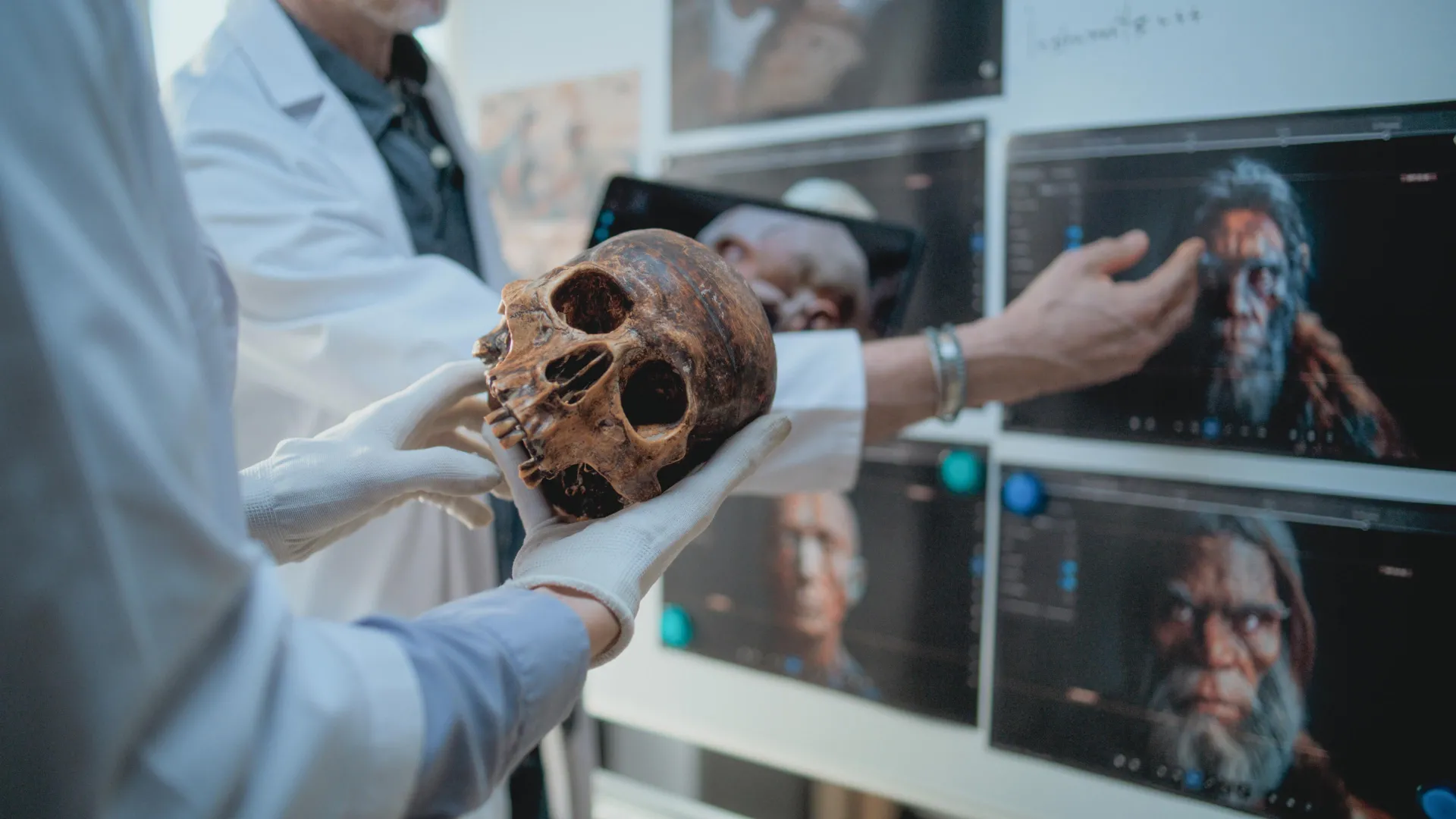
Warm, humid conditions usually destroy ancient DNA in southern China, so the researchers turned to paleoproteomics, the study of ancient proteins. Tooth enamel can lock in protein fragments long after genetic material has broken down. Small differences in their amino acid building blocks can reveal which branch of the human family an individual belonged to. The team recovered enamel proteins from three of the four teeth and found that all three came from males. They then compared those results with the shapes of the teeth.
The Longchuandong teeth matched Denisovans, an extinct group of human relatives first identified from remains in Denisova Cave in Siberia's Altai Mountains. The molar closely resembles a tooth from that cave, and the proteins carry a variant seen in other Denisovan specimens. The authors describe it as the first evidence of Denisovans in the Lingnan region. It supports the view that the group adapted to settings ranging from Siberian cold and the high Tibetan Plateau to warm parts of Asia.
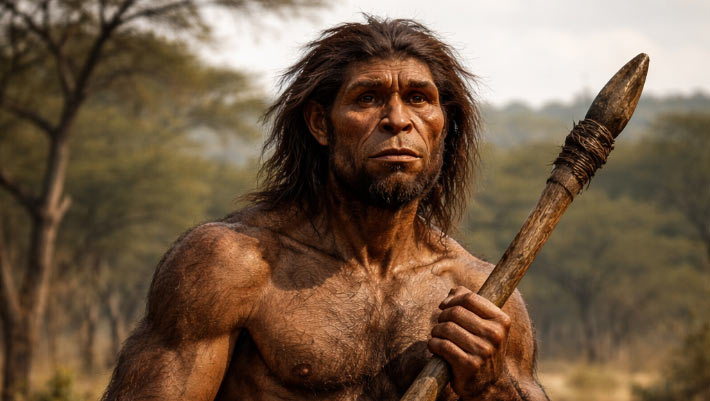
The Chuanshandong premolars told a stranger story. Their shapes mix primitive and more advanced features that fit no known group. One protein variant is an ancestral form also found in Homo antecessor, an early human from Spain's Sierra de Atapuerca, and in great apes, but absent from Neanderthals, Denisovans and modern humans. Another is characteristic of East Asian Homo erectus from the Middle Pleistocene. The teeth lack a protein marker associated with Denisovans.
The researchers suggest these fossils may represent an archaic lineage that persisted into the Late Pleistocene, which began about 129,000 years ago. Lingnan's particular ecology may have made it a refuge where older populations held on while other human groups spread across Asia.
That interpretation is tentative. Four isolated teeth offer a narrow window, and the study does not assign the Chuanshandong individual to any species. The team said more fossils and molecular evidence will be needed to trace the lineage's origins and its possible relationship to Homo erectus. The findings nonetheless indicate that East Asia's human population in this era was more varied than a single Denisovan story would suggest.