FCC Clears SpaceX to Launch Up to 1 Million Satellites as Orbiting Data Centers
Regulators approved Elon Musk's plan to power artificial intelligence computing from space. Astronomers say they are dismayed, and some experts doubt the idea can work.

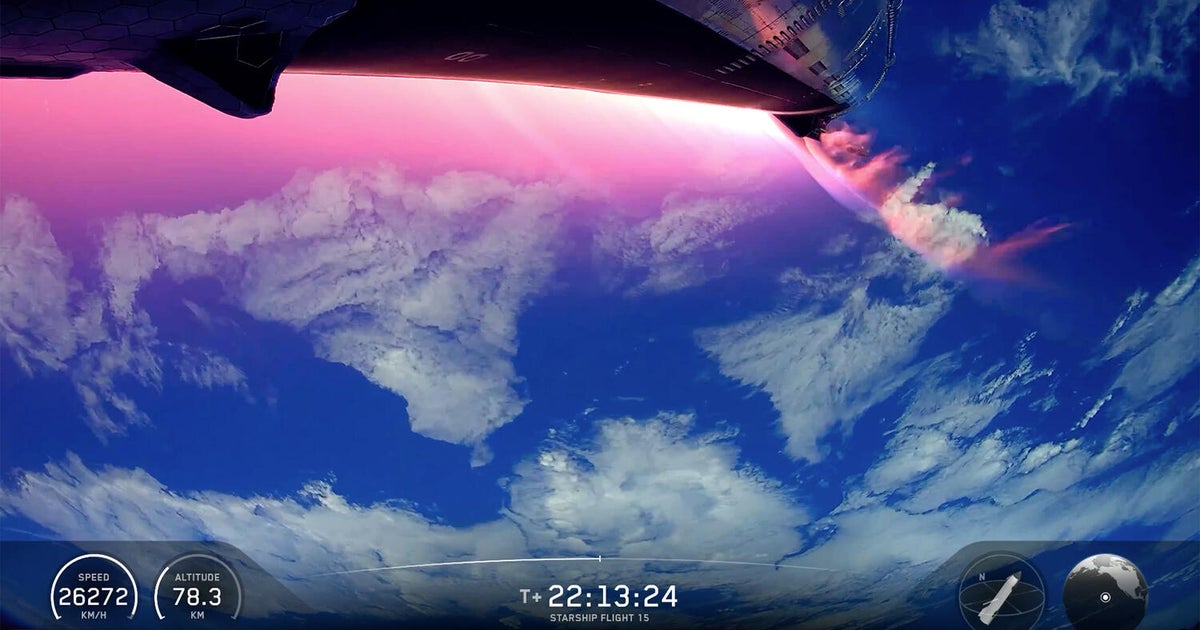
The Federal Communications Commission has authorized SpaceX to deploy up to 1 million satellites that would serve as data centers in orbit, giving Elon Musk's company a regulatory green light for one of the most ambitious space projects ever proposed.
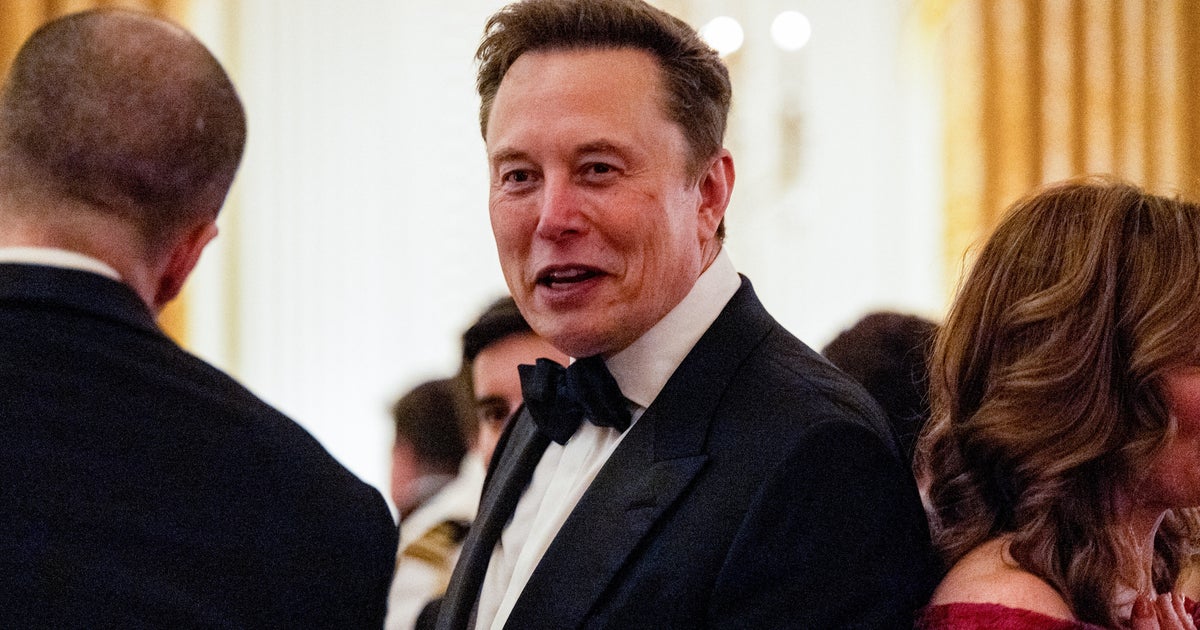
"Today, in a historic first, the FCC approved SpaceX's request for 1 million satellites (orbital compute modules) to create data centers in space," FCC Chairman Brendan Carr wrote on X on Wednesday. In a statement, Carr said America is "leading the world into the era of super intelligence" and that the decision "opens a bold new frontier." Musk responded: "Much appreciated. This will be a great asset to America and the world."
The constellation, which the agency identified as Starmind, would use solar power to process large volumes of data for use on Earth. The satellites would communicate with one another and with other spacecraft, including those in SpaceX's Starlink network. Under the authorization order, the company must deploy at least one authorized satellite by 2033 and may then add more through 2040.
SpaceX filed its application in January, describing orbital data centers as a first step toward becoming a Kardashev II civilization, a term from Soviet astronomer Nikolai Kardashev for a society able to harness the entire energy output of its star. In its May filing for an initial public offering, the company said space-based computing could meet surging demand from the AI industry more efficiently than facilities on the ground, and that it expects to begin deploying the satellites as early as 2028.
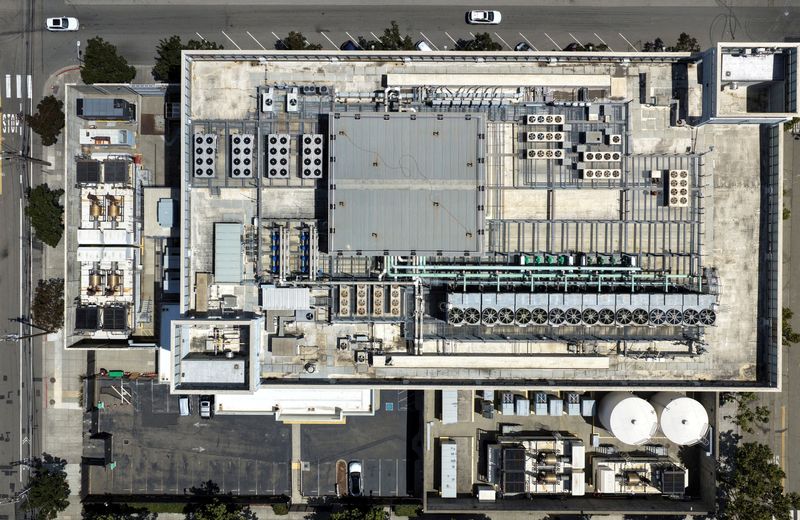
Data centers on Earth have become a political flashpoint. Thousands are being built, and neighbors have objected to noise and to rising demand for electricity and water. Voters approved dozens of measures to restrict them in this month's midterm elections. Supporters of orbital computing say moving the hardware to space would ease that pressure on power grids and water supplies.
Critics argue the engineering may not add up. Although space is cold, it is also a vacuum that traps heat inside objects, much like a thermos. Astrophysicist and author Adam Becker told The Associated Press there are basic physical limits to radiating that heat away, and called a million-satellite data center constellation "a fantasy." He also warned of pollution from launches and reentries and of collisions that could set off "a cascading set of space junk collisions" in low Earth orbit, where many weather and communications satellites operate.
The American Astronomical Society, the satellite company Viasat and Amazon's Kuiper Systems had asked the commission to deny the request. The astronomers' group said it was "disheartened and dismayed" by the ruling, warning that satellites larger and more numerous than existing ones would appear as extremely bright objects for longer stretches of the night, undermining decades of federal investment in observatories. The FCC acknowledged receiving a substantial number of public comments, but concluded the system complies with its orbital debris rules and serves the public interest. It dismissed issues outside its authority, including environmental concerns.