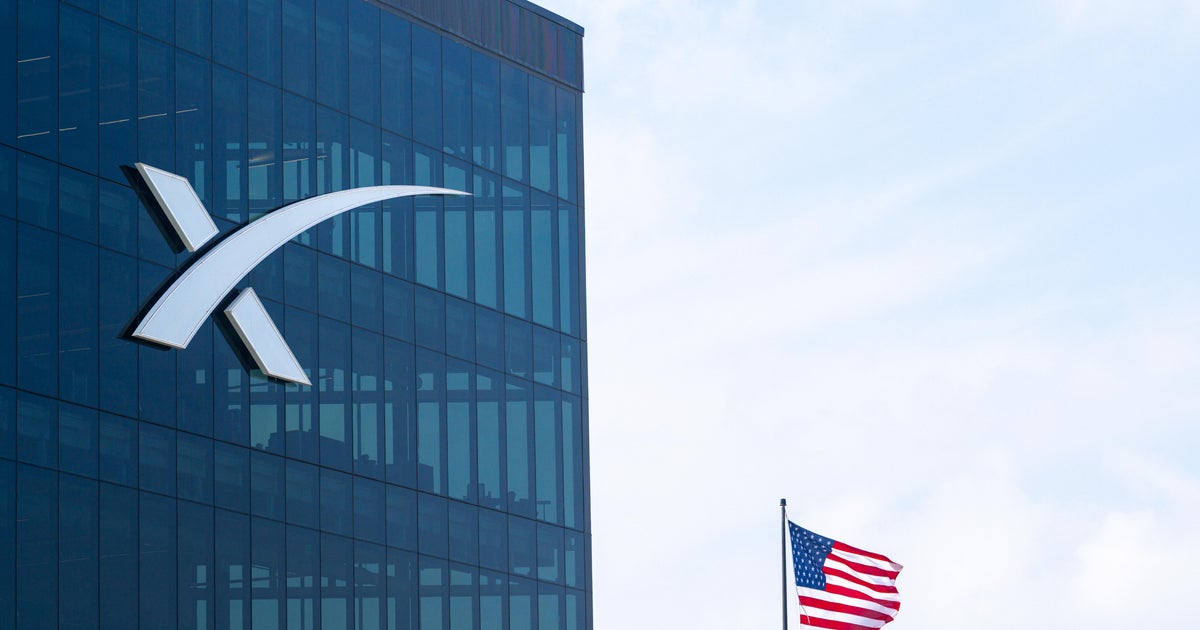
FCC Clears SpaceX to Launch Up to 1 Million Satellites as Orbiting Data Centers
Regulators approved Elon Musk's plan to power artificial intelligence computing from space. Astronomers say they are dismayed, and some experts doubt the idea can work.
Topic
10 stories from Planck Standard. Latest: November 26, 2026.
Regulators approved Elon Musk's plan to power artificial intelligence computing from space. Astronomers say they are dismayed, and some experts doubt the idea can work.

Monash University researchers turned 'moisture modes,' a theory, into weather systems they can follow in satellite data, and found they drive up to 75% of extreme rainfall in some regions.

Without ground stations, a 60-day simulation of 24 BeiDou satellites drifted 7.85 meters. Adding four lunar orbiters cut that to 0.35 meters.

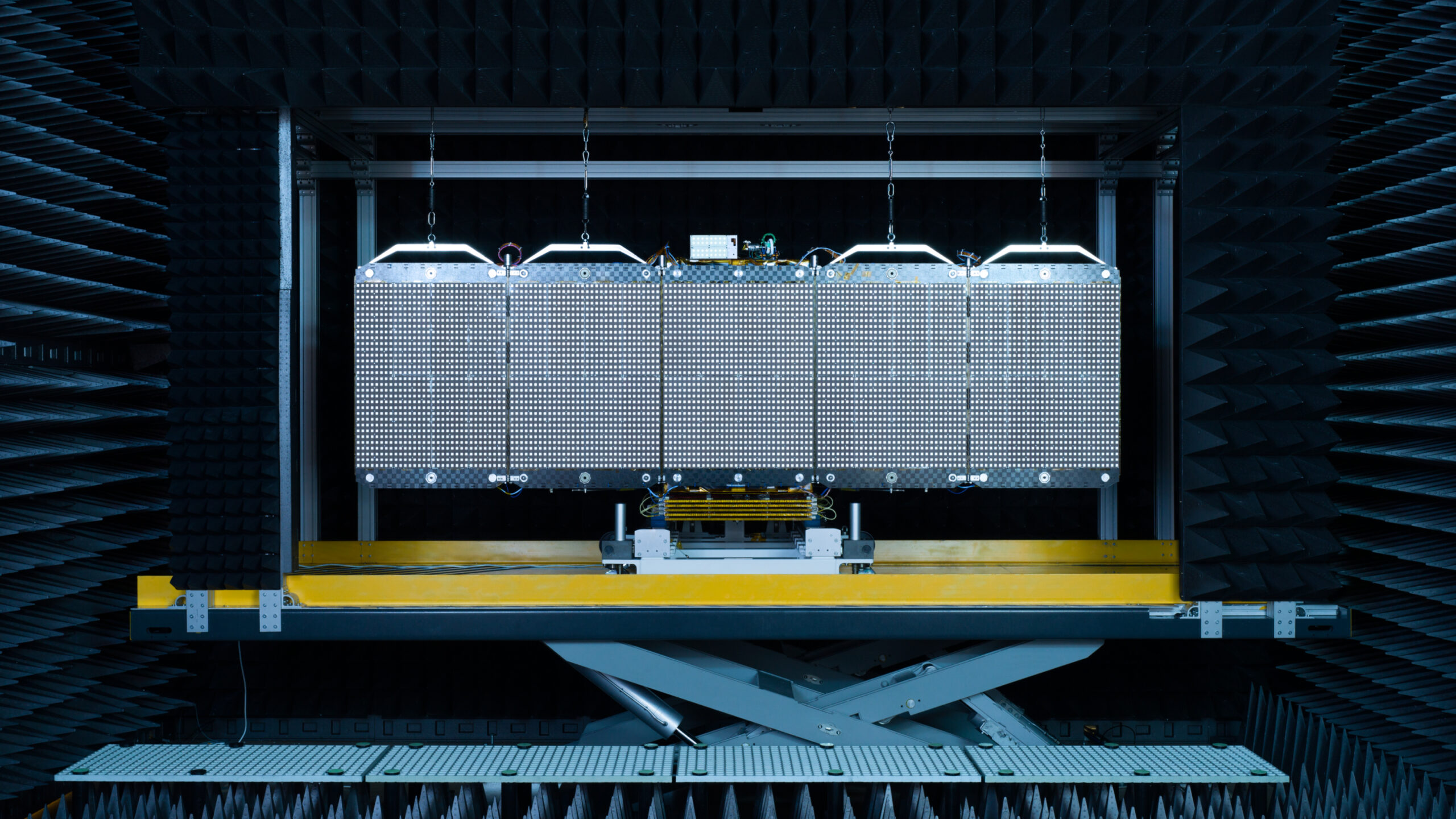
Francesco Romano's doctoral thesis pairs a mirror-like intake with a radio-frequency helicon thruster borrowed from MRI antenna design. It needs no fuel tank and no corrodible cathode, and the math says it could keep a satellite at 190 to 250 kilometers indefinitely, or orbit Mars at 120 kilometers.

Two known mechanisms did the damage, but only if the first one fired at the exact moment the solar wind crushed the magnetosphere. Standard forecasting models miss that timing entirely.

A study in Physical Review Research shows that highly organized particle motion looks nearly identical to random scattering once a spacecraft's limited resolution smears out the fine structure.

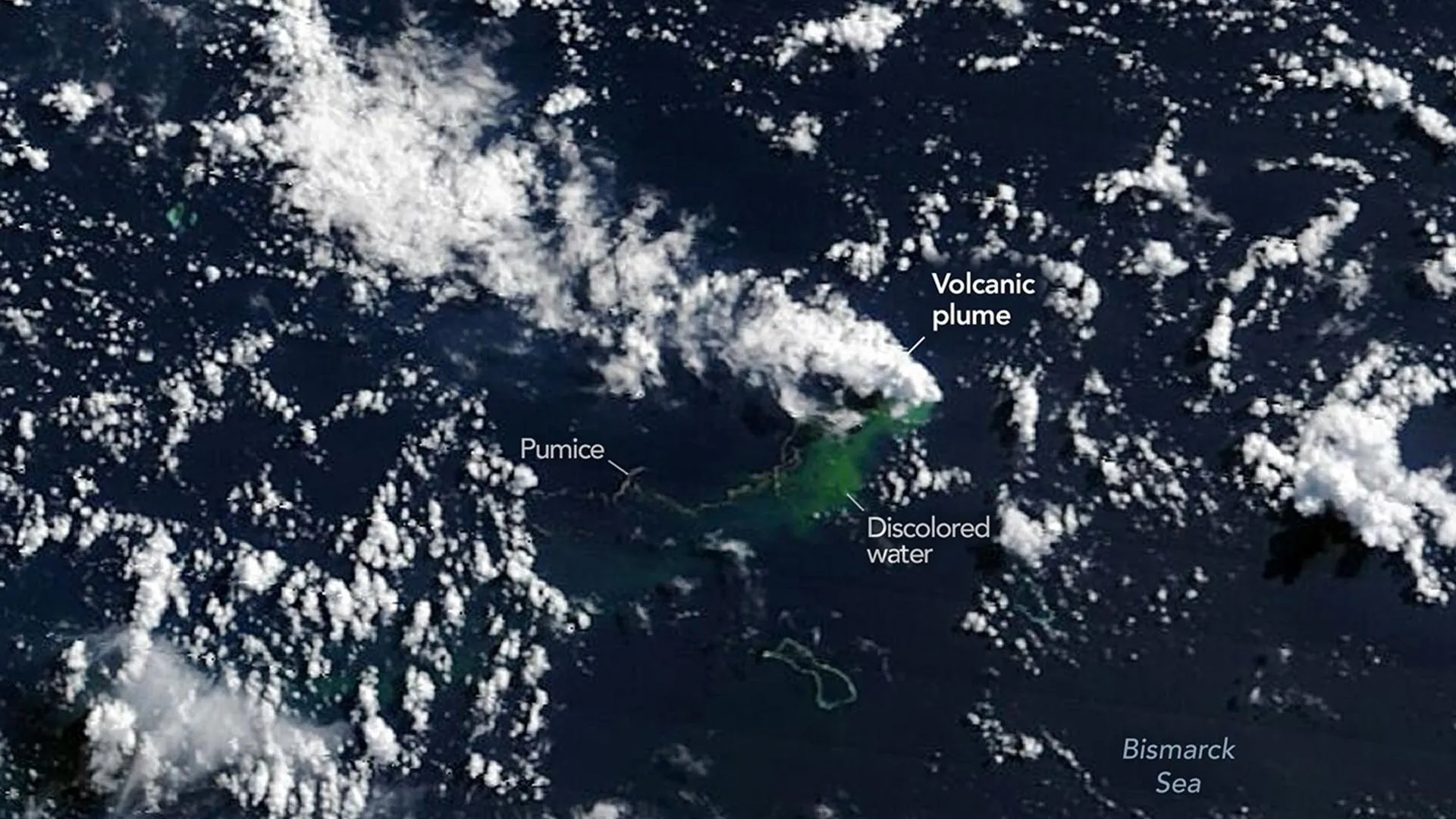
An underwater eruption near Papua New Guinea has been spewing steam and staining the ocean since May, and scientists are waiting to see whether a new island will be born.

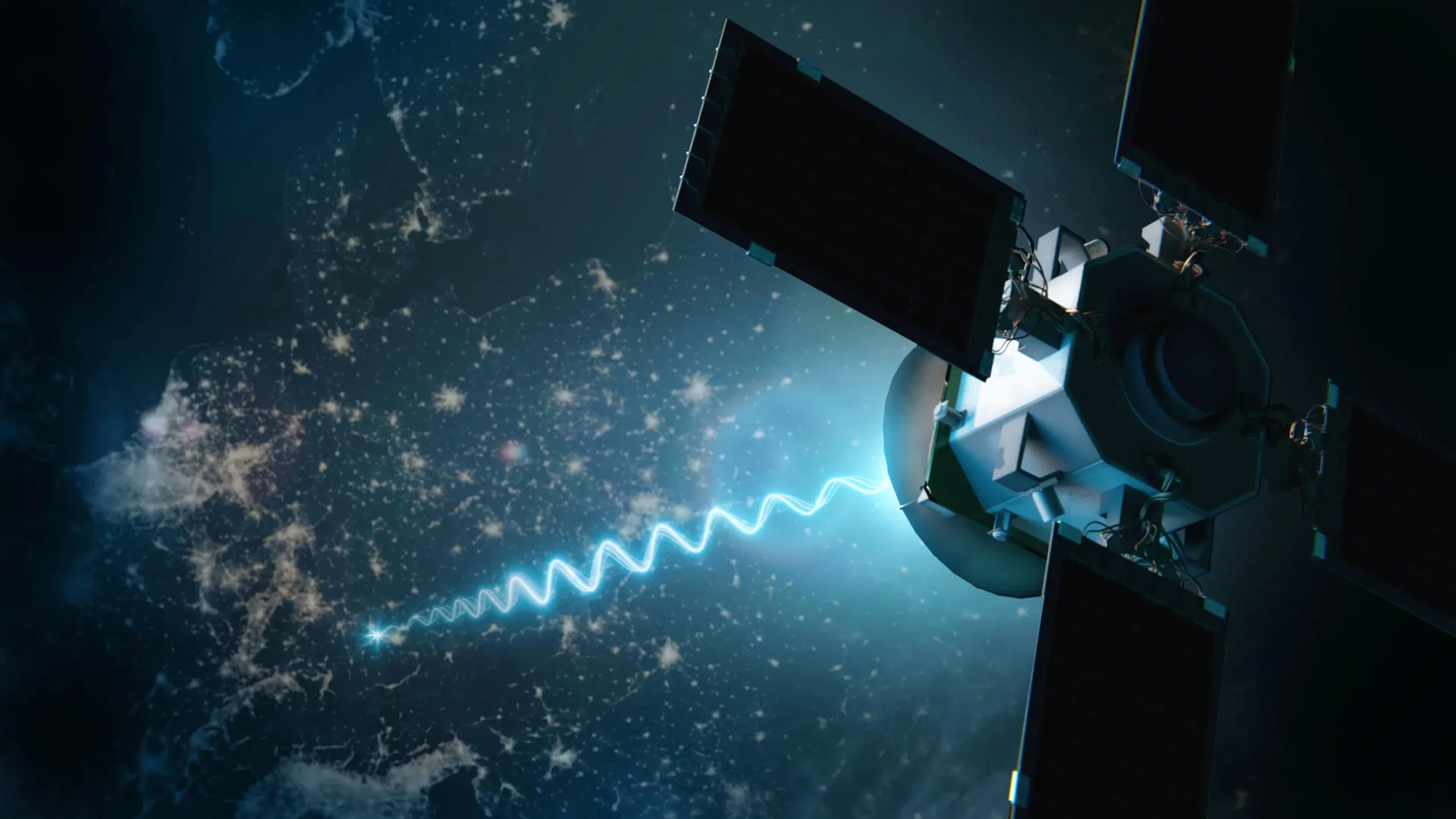
The Polylingual Experimental Terminal beamed data through NASA, Viasat and SES networks from orbit — a milestone that could let future missions hop between commercial and government relays instead of relying on one.

Commercial satellite company supporting Ukraine appears to be in Russia's crosshairs as military tensions extend into space.

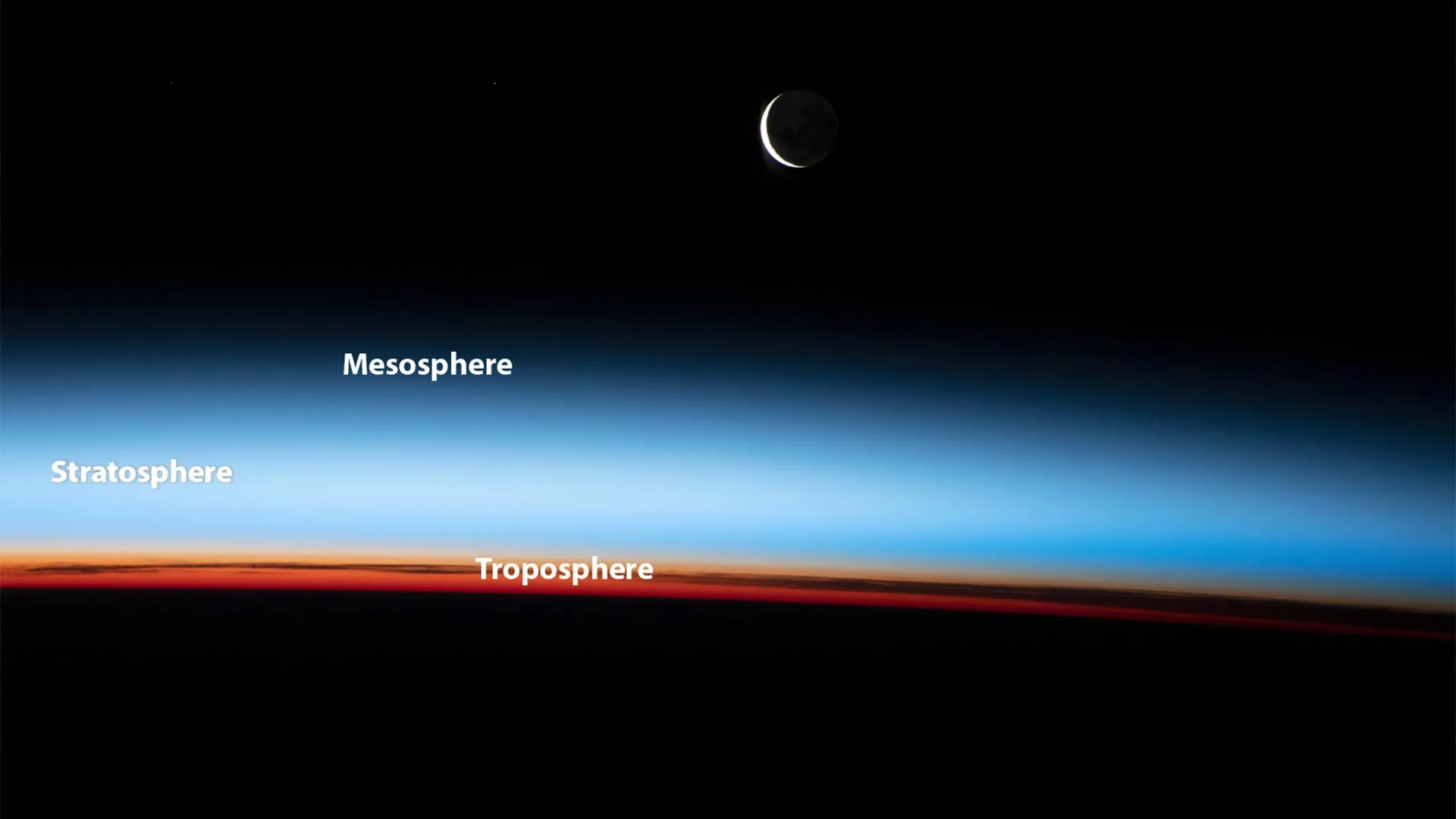
A new Nature Geoscience paper combines 22 years of TIMED and SABER satellite data with refined radiative-transfer models to show how the upper atmosphere has shrunk visibly as carbon dioxide climbs.