Democrats Split Over Using Dec. 11 Funding Deadline to Force an End to the Iran War
Incoming committee chairs warn against a shutdown while Sens. Van Hollen, Duckworth, Sanders and Bennet demand war-funding limits in any stopgap bill.
WASHINGTON — Democrats who campaigned on ending the Iran war are now arguing among themselves over how hard to push, and the first test arrives in three weeks. Federal agencies run out of money on Dec. 11, and some members of the party want to use that deadline to force limits on the conflict before they formally take control of Congress.
For months, Democrats made ending the war a core piece of their pitch to midterm voters, blaming the conflict for rising prices. With the party set to hold decisive majorities in the House and Senate next year, some lawmakers say the power of the purse is the clearest tool they have to pressure the Trump administration. Exactly when and how they plan to use it is far less settled, CBS News reported.
Rep. Rosa DeLauro of Connecticut, who is set to chair the House Appropriations Committee, told CBS News before the election that she would support "cutting off the funds for the Iran war." "If they want money, they have to get congressional approval," she said. But she is now part of the funding negotiations and favors a short-term extension through February if full-year spending bills are not finished by the deadline. She said she is against using a stopgap bill as leverage. "I think that the American people would like to see us end the war," DeLauro told reporters Wednesday. "I also believe that the American people may not believe that shutting the government down ends the war."
Rep. Gregory Meeks of New York, the incoming chair of the House Foreign Affairs Committee, said in a statement Thursday that he would oppose a continuing resolution "if I believed shutting down government helped us actually achieve that." He added that a shutdown "would only shut down parts of government that Americans rely on."
Other Democrats want to go further. Sen. Chris Van Hollen of Maryland, who is challenging Chuck Schumer for majority leader, has argued the party should use the Dec. 11 deadline to force restrictions on the war. In a statement last week he said any funding deal "must include language that restricts the Trump Administration from using appropriated funds to continue his war against Iran." The statement was co-signed by Sens. Tammy Duckworth of Illinois, Bernie Sanders of Vermont and Michael Bennet of Colorado. Bennet, Duckworth, Elizabeth Warren of Massachusetts and Kirsten Gillibrand of New York also plan to offer amendments to block war funding until Congress authorizes the conflict.
In the House, Reps. Yassamin Ansari of Arizona and Ro Khanna of California said they would vote against any funding package that "does not explicitly prohibit funds from being used for offensive operations in Iran." Senate Democrats discussed the question at a closed-door lunch Tuesday. Van Hollen said they "had a very good discussion," but there was "no final decision."
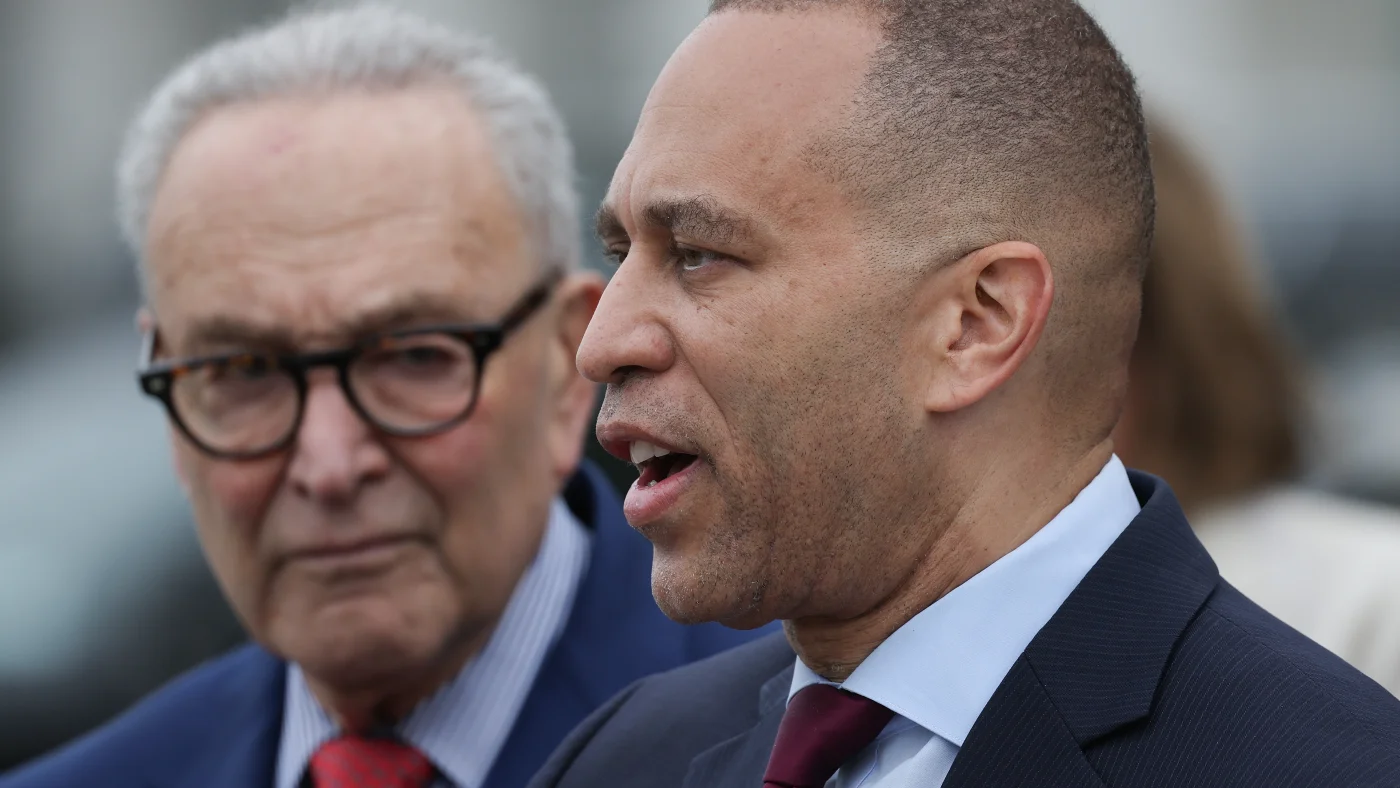
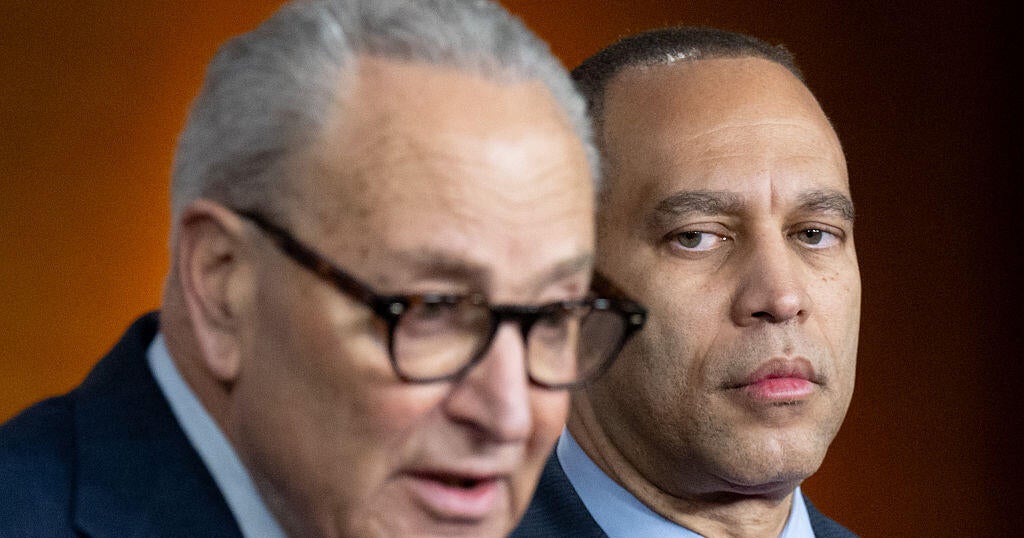
The top two Democratic leaders have not said what they will do. House Minority Leader Hakeem Jeffries said Tuesday that the House and Senate appropriations committees are in "active conversation" about how to fund the government. Schumer, speaking to reporters, said, "I don't want to get out ahead of that process." He added: "What is clear is that the reckless and costly war of choice in Iran needs to end. It should end today."
The pressure comes as the conflict shows no sign of winding down. CBS News reported separately this week that the U.S. and Israel are weighing a new assault on Iran, and months of indirect talks have not produced a ceasefire to reopen the Strait of Hormuz.
If Democrats pass on the December deadline, they will have other chances. After they take control in January, lawmakers will likely need to extend government funding again and raise the debt limit at some point next year. The 2028 fiscal-year appropriations process and the annual National Defense Authorization Act are two more points of leverage, along with standalone bills and resolutions to restrict the war. Any of them would still face the possibility of a presidential veto.