Democrats' Midterm Wins Put the National Popular Vote Compact Within Reach of 270
Full Democratic control of five battleground states next year could push the interstate agreement past the threshold, though legal and political hurdles remain.
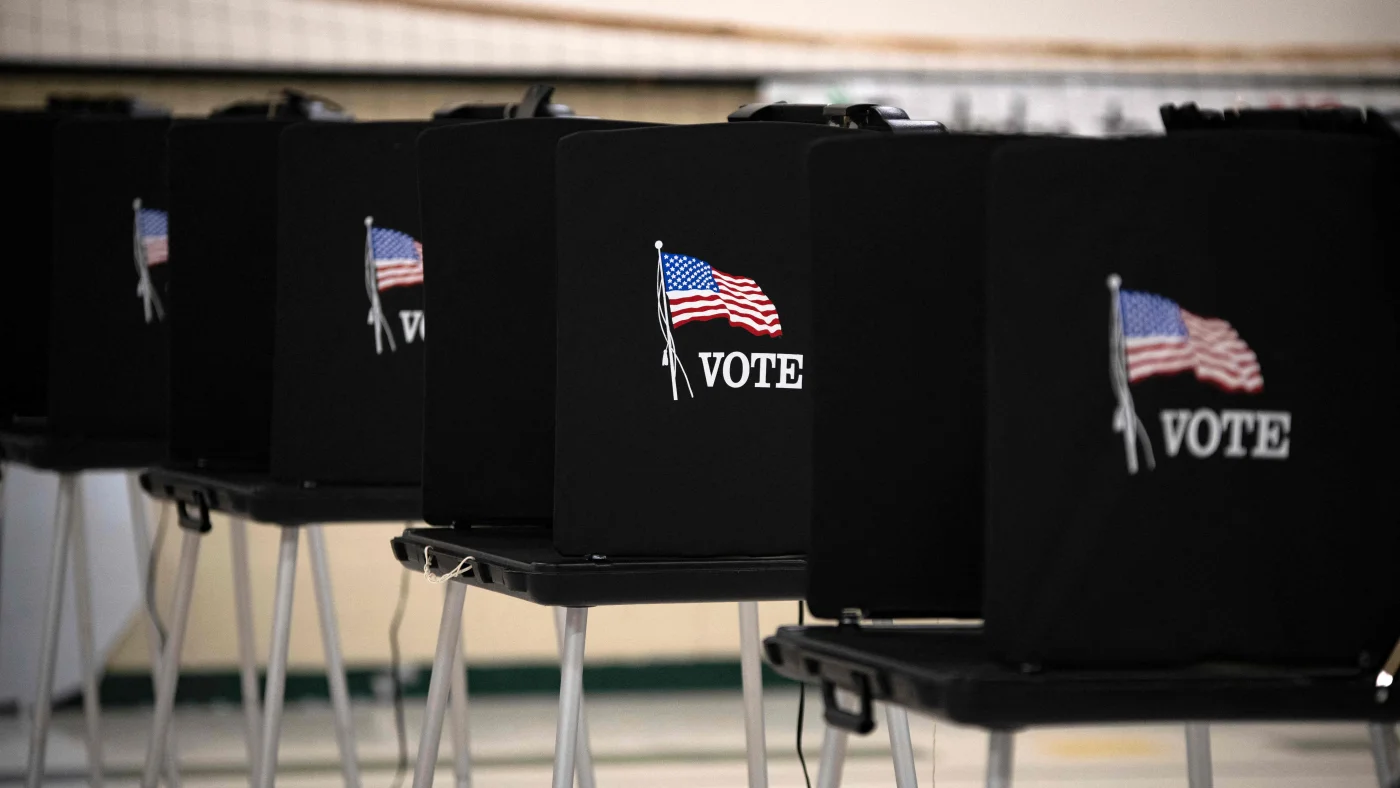
A national effort to ensure that only the winner of the popular vote becomes president could reach a critical milestone soon, a possible result of the big Democratic gains in this month's midterm elections.
The National Popular Vote Interstate Compact is an agreement among states to award their presidential electoral votes to the winner of the nationwide popular vote rather than the winner of each state. It takes effect only once member states hold 270 electoral votes, a majority of the Electoral College. Right now the compact has 222 electoral votes, made up of 18 Democratic-led states plus the District of Columbia. No Republican-led state has joined, and the party is largely not unified on the issue.
Next year, Democrats will fully control five states that could sign on: Arizona, Pennsylvania, Michigan, Nevada and Wisconsin. Together they add up to 61 electoral votes, and any combination of at least four of them would push the compact past 270. Governors and incoming governors in Pennsylvania and Nevada have said they are open to signing legislation, but others have not weighed in publicly.
Backers are optimistic. "I've never been more confident that 63% of American voters can get what they want in the 2028 presidential election, which is a national popular vote for president," said Patrick Rosenstiel, a senior consultant to National Popular Vote, the group pushing the compact, citing Pew polling. John Koza, the group's chairman, said no new federal bureaucracy would be needed because state and federal law already provide for certified vote counts from each state. "All that has to be done is add them up," he said.
The obstacles are significant. These five states are all presidential battlegrounds, so leaders must decide whether to give up their outsized influence on elections, and whether to be the state that tips the compact into force. Some Democrats are more reluctant than before. Arizona Gov. Katie Hobbs, who previously supported the measure, has not commented recently on whether her state's new Democratic majorities should join, and her office did not respond to NPR's request for comment.
There are also legal questions. Some scholars say the compact could violate the Constitution's compact clause, which bars states from entering agreements with each other without the consent of Congress. Norman Miller, a constitutional law professor at Willamette University, also warned that forcing electors in one state to follow vote tallies from another could create tension, since states individually decide who can vote and how. He argued that a constitutional amendment under Article V would be the cleaner route to a national popular vote.
Opponents such as the group Save Our States argue that removing the Electoral College's incentives would push American politics toward more regional campaigning and deepen existing divides. Whatever happens, state legislatures will take up the question when the new sessions begin next year.